
UN Urges Probe Into Deadly Abyei Drone Attacks
Summary
- The UN Security Council condemned deadly drone attacks in the disputed Abyei region on October 19, which killed and injured civilians.
- South Sudanese officials have accused the Sudanese Armed Forces of carrying out these attacks near Amiet Market and Todach.
- The Council warned that targeting civilians could constitute war crimes and called for a full, transparent, and prompt investigation.
- It emphasized that international humanitarian law prohibits attacks on civilians and civilian objects, demanding accountability for those responsible.
- Abyei remains a demilitarized zone under UNISFA's mandate, with its final status unresolved due to a stalled 2005 referendum.
What Happened
The explicit warning that attacks on civilians could constitute war crimes underscores the severe legal ramifications for perpetrators and highlights the heightened risk of international criminal law violations in disputed territories.
The United Nations Security Council has issued a strong condemnation following a series of deadly drone attacks that occurred in the disputed Abyei region. These assaults, which took place on Monday, October 19, specifically targeted areas near Amiet Market and Todach, resulting in fatalities and injuries among the civilian population, including women and children. Officials from South Sudan have attributed responsibility for these attacks to the Sudanese Armed Forces.
In response to these grave events, the Security Council released a statement on Friday, October 23, expressing its profound condolences to the families of those who lost their lives and to the affected communities. The Council also extended wishes for a swift and complete recovery to all individuals who sustained injuries. A significant concern was raised regarding the potential for the death toll to increase, as the United Nations Interim Security Force for Abyei (UNISFA) continues its efforts to verify the full extent of the casualties.
Legal and Regulatory Context
The UN Security Council underscored the critical importance of international humanitarian law, explicitly reminding all parties involved in the conflict of their obligations to safeguard civilians. The Council highlighted that international humanitarian law strictly forbids any attacks directed at civilians or civilian objects. Furthermore, it issued a stern warning that such attacks, particularly those targeting non-combatants, could potentially be classified as war crimes, necessitating a thorough Abyei war crimes investigation.
In light of these serious allegations, the Security Council called for a comprehensive, transparent, and prompt investigation into the drone attacks. It emphasized that those found responsible for these actions must be held accountable under international law. The Council also reiterated its stance that Abyei must remain a demilitarized zone, free from any military forces other than UNISFA, and urged all actors to cease military operations and end any occupation of the area, thereby reinforcing the mandate for UNISFA Abyei security.
The Disputed Territory of Abyei
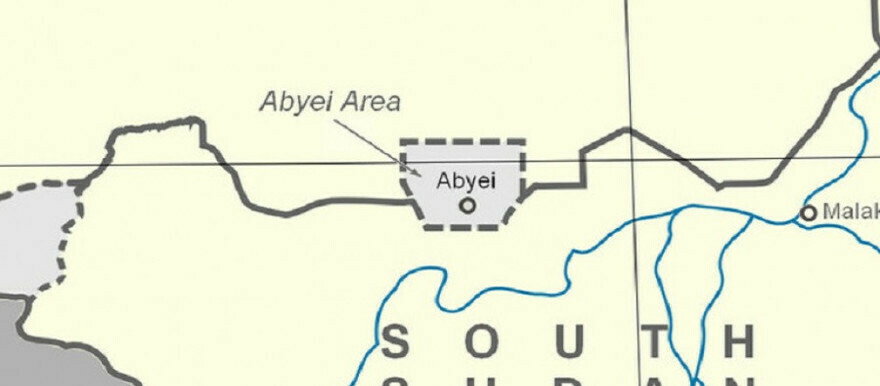
The Abyei region remains a flashpoint of contention, with both Sudan and South Sudan asserting claims over the territory, a long-standing Sudan South Sudan Abyei dispute. The framework for resolving this dispute was initially laid out in a 2005 peace agreement, which included provisions for a referendum to determine whether Abyei would align with Sudan or South Sudan. However, this crucial vote has never materialized due to persistent disagreements concerning voter eligibility and other complex issues.
To help maintain stability and security in this volatile area, the UN Security Council established the United Nations Interim Security Force for Abyei (UNISFA) in 2011. The Council reaffirmed its unwavering support for UNISFA and urged all parties to collaborate closely with the mission. This cooperation is deemed essential to ensure the safety and security of civilians, humanitarian workers, and peacekeepers operating within the region, upholding the principles of international humanitarian law Abyei.
Why It Matters
The UN Security Council's resolute call for accountability and a full investigation into the Abyei drone attacks sends a clear message regarding the international community's commitment to upholding international humanitarian law. The explicit warning that attacks on civilians could constitute war crimes underscores the severe legal ramifications for perpetrators and highlights the heightened risk of international criminal law violations in disputed territories. This development emphasizes the critical importance for all entities operating in or near such zones to adhere strictly to international legal frameworks.
The ongoing UN Security Council Abyei drone attack investigation, coupled with the potential for an Abyei war crimes investigation, serves as a vital mechanism for ensuring justice for victims and deterring future atrocities. The Council's insistence on a demilitarized Abyei and its support for UNISFA further illustrate the international community's dedication to protecting vulnerable populations and promoting stability in a region plagued by historical conflict and unresolved territorial claims.
Practical Implications
Lawyers advising entities operating in or near disputed territories like Abyei should be aware of the heightened risk of international criminal law violations, particularly regarding attacks on civilians, and the UN Security Council's commitment to pursuing accountability for potential war crimes. This development underscores the importance of compliance with international humanitarian law in conflict zones.
Source
How does this affect you?
Get an AI analysis of this article grounded in your jurisdictions, practice areas, and any policy documents you've uploaded to Wansom.
Finish Reading the Full Story and the Expert Analysis.
Get the latest legal & regulatory intelligence in South Sudan
Wansom is AI and can make mistakes.