
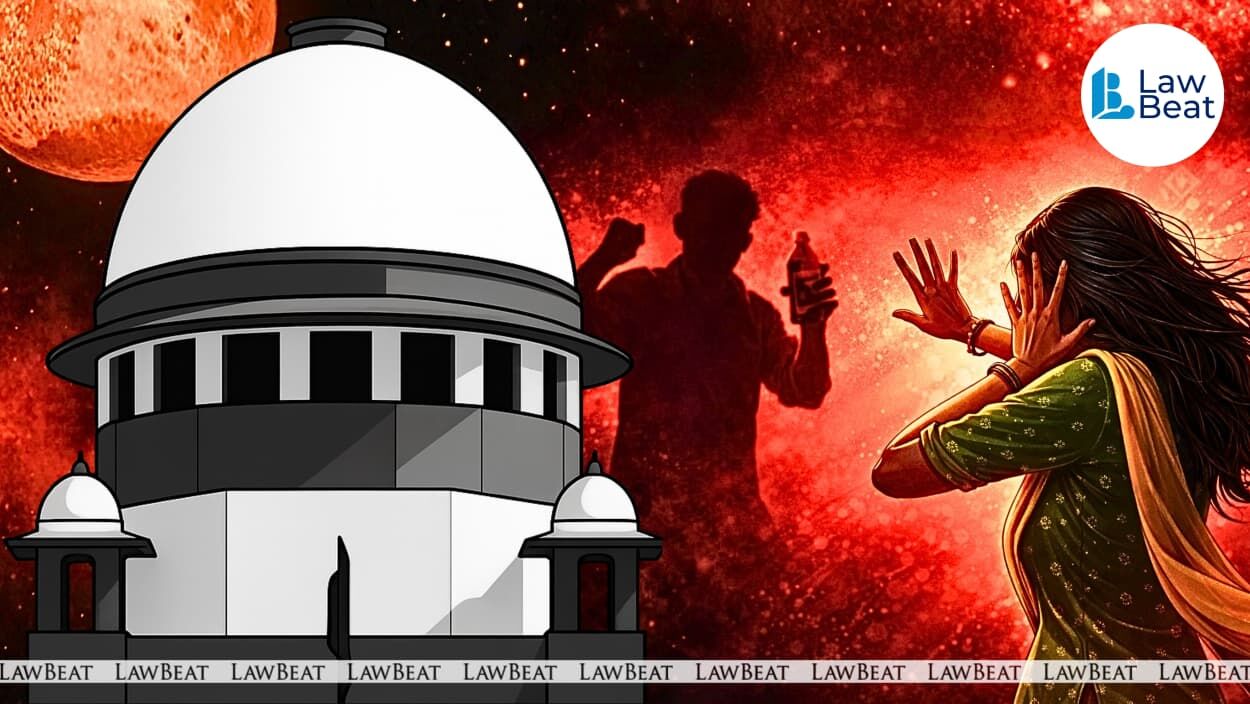
Supreme Court India: Seeks Union Stance on Acid Retail Sale Ban
Summary
- The Supreme Court of India is considering a complete ban on the retail sale of acid and has sought the Union government's response.
- The Court also directed the Union to formulate a scheme for strict regulation of acid sales and ordered state governments to frame relevant rules.
- This judicial action was prompted by a Public Interest Litigation filed by acid attack survivor Shaheen Malik, highlighting obsolete 2013 guidelines and the prevalence of acid violence.
- The Court has taken a stern view of rising acid crimes, including forced ingestion, and is pushing for expedited trials and improved victim support.
- Recent legal amendments extend disability benefits to acid attack survivors with internal injuries, reflecting broader efforts to strengthen victim protection.
Supreme Court Considers Retail Acid Ban
The potential for a complete Supreme Court India acid retail sale ban or significantly enhanced regulatory measures signals a critical juncture for chemical manufacturers, distributors, and retailers of acid, necessitating close monitoring of these developments.
India's Supreme Court is actively considering whether to impose a complete ban on the retail sale of acid across the country. This significant deliberation follows a Public Interest Litigation (PIL) filed by acid attack survivor Shaheen Malik, which brought to light the inadequacy of existing regulations and the devastating impact of acid violence.
A bench led by Chief Justice Surya Kant has formally requested a response from the Union government on the feasibility of such a ban. As an alternative, the Court has also asked the government to propose stringent regulatory measures if a complete prohibition is deemed unviable. The Court's directive underscores a growing concern that current guidelines, established in 2013, have become largely obsolete and are not being effectively enforced, contributing to the continued availability of acid for malicious purposes.
In addition to seeking the Union government's stance on a ban or stricter controls, the Supreme Court has mandated that the Union formulate a comprehensive scheme to ensure rigorous regulation of acid sales in the market. Furthermore, all state governments that have not yet framed specific rules governing acid sales are now required to do so. Non-governmental organizations (NGOs) assisting the Court have been invited to submit recommendations within four weeks, focusing on curriculum development for school and college awareness programs, post-attack treatment protocols, and emergency response strategies for acid attack cases.
Survivor's Plea and Judicial Resolve
The Court's robust stance was significantly influenced by the poignant testimony of Shaheen Malik, who articulated the profound fear and despair experienced by survivors. Malik passionately argued that stopping the sale of acid should take precedence over rehabilitation efforts, highlighting the constant threat women face from potential attacks. She recounted the tragic case of a young woman in her NGO who lost both eyes, emphasizing the irreversible damage to victims' lives and careers.
In response to Malik's emotional appeal, Chief Justice Kant assured her of the judiciary's commitment, stating that the Court would not abandon the issue and would pursue it to a logical conclusion. This commitment extends to ensuring that Malik herself receives the best legal representation for her High Court case, particularly after the accused in her own attack were acquitted by a lower court. The Supreme Court has also taken a stern view of the increasing incidence of acid crimes, including particularly brutal cases involving the forceful ingestion of acid, and has directed the Jammu and Kashmir High Court to expedite five pending trials related to such incidents.
Malik had previously brought to the Court's attention the horrific case of a 28-year-old woman who was forced to consume acid, now weighing a mere 20 kilograms with a critically low haemoglobin level of 3. Solicitor General Tushar Mehta described such heinous acts as driven by "animal instinct," further underscoring the severity of the violence the Court is addressing.
Evolving Legal Framework and Future Implications
This latest judicial intervention builds upon recent efforts to strengthen the legal framework surrounding acid attack survivors. The Central government recently informed the Supreme Court of an amendment to the law, extending the benefits of the Rights of Persons with Disabilities Act, 2016, to include acid attack survivors who suffer internal injuries without external disfigurement. This amendment followed a specific directive from the Supreme Court, which had previously ordered that the term "acid attack victims" under the Act should encompass those administered acid and suffering internal damage, irrespective of visible disfigurement.
Earlier in January, the Court had also explored innovative approaches to victim compensation, considering the sale of assets belonging to acid attack accused to provide financial relief to survivors. These ongoing judicial and legislative actions underscore a concerted effort to address the multifaceted challenges posed by acid violence, from prevention through stricter retail controls to comprehensive rehabilitation and justice for victims. The potential for a complete Supreme Court India acid retail sale ban or significantly enhanced regulatory measures signals a critical juncture for chemical manufacturers, distributors, and retailers of acid, necessitating close monitoring of these developments.
Practical Implications
Lawyers advising chemical manufacturers, distributors, or retailers of acid in India must closely monitor the Supreme Court's directives and the Centre's response, as this could lead to new stringent regulations or a complete ban on retail acid sales, significantly impacting compliance and business operations.
Source
Source: Original reporting via Live Law
How does this affect you?
Get an AI analysis of this article grounded in your jurisdictions, practice areas, and any policy documents you've uploaded to Wansom.
Finish Reading the Full Story and the Expert Analysis.
Wansom is AI and can make mistakes.