
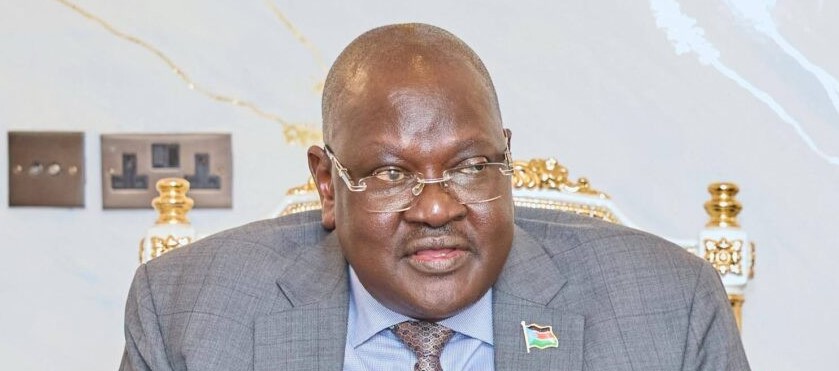
South Sudan: Transitional Government October Dissolution Conflicts With Law
Summary
- South Sudan's transitional government is slated for dissolution in October, despite a legal requirement for it to end by September 22, 2026.
- Government spokesperson Ateny Wek Ateny cited President Kiir's UN General Assembly attendance as the reason for the anticipated delay.
- The National Election Act 2023 mandates the government's dissolution three months before the December 22, 2026, elections.
- Civil society activists and political analysts express concern that the delayed dissolution could raise legal questions regarding the government's legitimacy.
- Experts suggest that formal amendments to the electoral law may be necessary if the September 22 deadline is to be legally altered.
What Happened
The proposed October dissolution has ignited concerns among civil society activists and political analysts, who warn it could trigger significant legal questions under the National Election Act 2023.
South Sudan's transitional government is slated for dissolution in October, with a caretaker administration expected to take its place in preparation for national elections scheduled for December 22, 2026. This announcement was made by Ateny Wek Ateny, who serves as both the government spokesperson and Minister of Information, during an interview with Radio Tamazuj on Tuesday. The proposed timeline deviates from a key provision in the country's electoral law, which mandates the government's dissolution three months prior to the polling date, setting a deadline of September 22, 2026.
According to Ateny Wek Ateny, the primary reason for the anticipated delay is President Salva Kiir's expected attendance at the United Nations General Assembly in New York. Ateny indicated that while the Constitution outlines the dissolution requirement, the President's international travel on the critical September 22 date makes an October dissolution more probable. This explanation has, however, sparked considerable concern among civil society activists and political analysts, who foresee potential legal challenges arising from the postponement.
The spokesperson also addressed inquiries regarding the composition of the forthcoming caretaker administration, particularly concerning the fate of the current five vice presidents. Ateny stated that the specific structure of the next government had not yet been finalized, and therefore, he could not speculate on which individuals or positions might be affected. He assured that the organizational framework for the new administration would be determined in due course, leaving the precise political arrangements leading up to the December 2026 vote uncertain.
Legal and Regulatory Framework
The proposed October dissolution directly conflicts with the SS National Election Act 2023, which stipulates that the transitional government must be dissolved a full three months before the December 22, 2026, election date. This legal requirement establishes September 22, 2026, as the mandated deadline for the government's end. The upcoming elections themselves have been a long-anticipated event, having been delayed for several years under the terms of the country's peace agreement.
Adding to the legal landscape, President Kiir recently signed Constitutional Amendment No. 13, a measure designed to facilitate the holding of elections in December 2026 or at an earlier point before the transitional period concludes. Despite this amendment, the prospect of an October dissolution has prompted significant questions regarding the legal standing of the transitional government and the legitimacy of its actions if it continues to operate beyond the September 22 deadline without a formal legal basis.
Legal experts offer differing views on the implications of the delay. Edmund Yakani, Executive Director of the Community Empowerment for Progress Organization (CEPO), firmly asserts that the enforcement of the electoral law necessitates dissolution by September 22. He argues that if the government intends to formally alter this deadline, relevant provisions of the electoral law would require amendment. Conversely, political analyst Professor Abraham Kuol Nyuon suggests that an October dissolution would not necessarily require an amendment to the Act, implying it might not pose a direct legal impediment to the election process itself. This divergence highlights the complex legal risks associated with SS National Election Act 2023 compliance.
Reactions and Implications
The proposed October dissolution has ignited concerns among civil society activists and political analysts, who warn it could trigger significant legal questions under the National Election Act 2023. Civil society groups have vocally urged the government to adhere to the September 22 deadline, emphasizing the importance of respecting the electoral law and the commitments made to citizens regarding the upcoming polls.
Edmund Yakani of CEPO underscored the necessity of political commitment to the legal requirement, stating that President Kiir's attendance at the UN General Assembly should not serve as a justification for circumventing domestic legal obligations. Yakani proposed practical alternatives, such as the President dissolving the government a day before his travel or issuing a decree for dissolution prior to his departure, thereby ensuring South Sudan caretaker administration formation aligns with legal timelines. He further stressed that any deviation from the September 22 deadline would necessitate a formal SS electoral law amendment requirement.
Professor Abraham Kuol Nyuon echoed the sentiment that the law should be the guiding principle for government operations, asserting that the President's international engagements should not override domestic legal duties. He affirmed that a president possesses the authority to dissolve a government and establish a caretaker administration even while abroad, provided such a decision is formally communicated through an executive order or decree. The ongoing debate underscores the critical need for clarity and adherence to legal frameworks to ensure the legitimacy and smooth transition of power ahead of the December 2026 elections.
Practical Implications
Lawyers and compliance officers should assess the legal risks and potential challenges to the legitimacy of the South Sudan transitional government and its actions if dissolution is delayed beyond the National Election Act 2023's September 22nd deadline. This situation may necessitate advising on the need for formal amendments to the electoral law to avoid constitutional crises or legal disputes regarding the upcoming elections.
Source
How does this affect you?
Get an AI analysis of this article grounded in your jurisdictions, practice areas, and any policy documents you've uploaded to Wansom.
Finish Reading the Full Story and the Expert Analysis.
Wansom is AI and can make mistakes.