
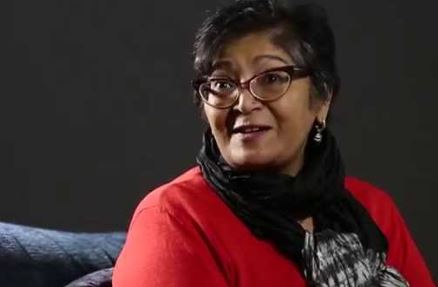
UN Commission: South Sudan UN Human Rights Visit September 2026 to Assess Elections
Summary
- The UN Commission on Human Rights in South Sudan will conduct its 14th visit from September 7-10, 2026.
- The mission, led by Chairperson Yasmin Sooka, will assess human rights, political stability, and the impact of conflict and displacement.
- A key focus includes the erosion of the R-ARCSS and conditions for South Sudan's first national elections since 2011.
- Commissioners will engage with diverse stakeholders and gather first-hand information from affected communities.
- Preliminary observations will be presented at a press conference in Juba on September 10, 2026, informing future reports to the UN Human Rights Council.
Upcoming UN Human Rights Assessment in South Sudan
The findings and preliminary observations from this significant South Sudan UN Human Rights visit September 2026 will be instrumental in shaping the Commission’s subsequent reports to the UN Human Rights Council in Geneva.
The UN Commission on Human Rights in South Sudan is slated to undertake its fourteenth official visit to the nation from September 7 to 10, 2026. This critical South Sudan UN Human Rights visit September 2026 occurs amidst a backdrop of escalating armed conflict, deepening political tensions, and increasing risks to both the civilian population and the fragile peace process. The country is also preparing for its inaugural national elections since achieving independence in 2011, making the South Sudan elections human rights context a critical component of the upcoming assessment.
Chairperson Yasmin Sooka will lead this significant mission, accompanied by Commissioners Barney Afako and Carlos Castresana Fernández. The delegation plans to engage with a wide array of stakeholders, including government authorities, key political and security actors, representatives from civil society, victims and survivors of human rights abuses, humanitarian and international partners, and legal professionals.
Key Focus Areas and Mandate
The primary objective of this South Sudan human rights assessment 2026 is to comprehensively evaluate the evolving human rights, humanitarian, political, and security conditions within the country. A specific focus will be placed on understanding the impact of renewed hostilities and population displacement, which continue to pose significant challenges. The Commission will also scrutinize the continued erosion of the Revitalized Agreement on the Resolution of the Conflict in South Sudan (R-ARCSS), a foundational document for the nation's stability.
Furthermore, the Commission will examine developments affecting the meaningful political transition and the essential conditions required for a peaceful, inclusive, and credible democratic process, directly addressing the South Sudan elections human rights landscape. The Commissioners intend to use this visit to engage directly with affected communities, gathering first-hand information crucial for fulfilling the UN Commission on Human Rights South Sudan's mandate.
Commission's Role and Reporting
The UN Commission on Human Rights South Sudan operates as an independent body, established by the United Nations Human Rights Council in March 2016 and subsequently renewed annually. Its commissioners, appointed by the President of the UN Human Rights Council, serve without salary and are not United Nations staff, underscoring their impartial status. They receive support from a dedicated Secretariat based in Juba, South Sudan.
The findings and preliminary observations from this significant South Sudan UN Human Rights visit September 2026 will be instrumental in shaping the Commission’s subsequent reports to the UN Human Rights Council in Geneva. These reports are vital for global efforts aimed at preventing human rights violations and atrocity crimes, promoting accountability, and fostering sustainable peace within South Sudan. The Commissioners are scheduled to hold a press conference in Juba on September 10, 2026, where they will publicly share their initial conclusions and observations from their Yasmin Sooka South Sudan mission.
Practical Implications
Lawyers and compliance officers operating in or advising on South Sudan should closely monitor the findings and preliminary observations from this UN Human Rights Commission visit. The assessment of human rights, political stability, and the Revitalized Agreement (R-ARCSS) could highlight specific compliance risks, potential accountability measures, or areas of increased scrutiny for businesses and organizations operating within the country, especially concerning the upcoming elections.
Source
How does this affect you?
Get an AI analysis of this article grounded in your jurisdictions, practice areas, and any policy documents you've uploaded to Wansom.
Finish Reading the Full Story and the Expert Analysis.
Wansom is AI and can make mistakes.