
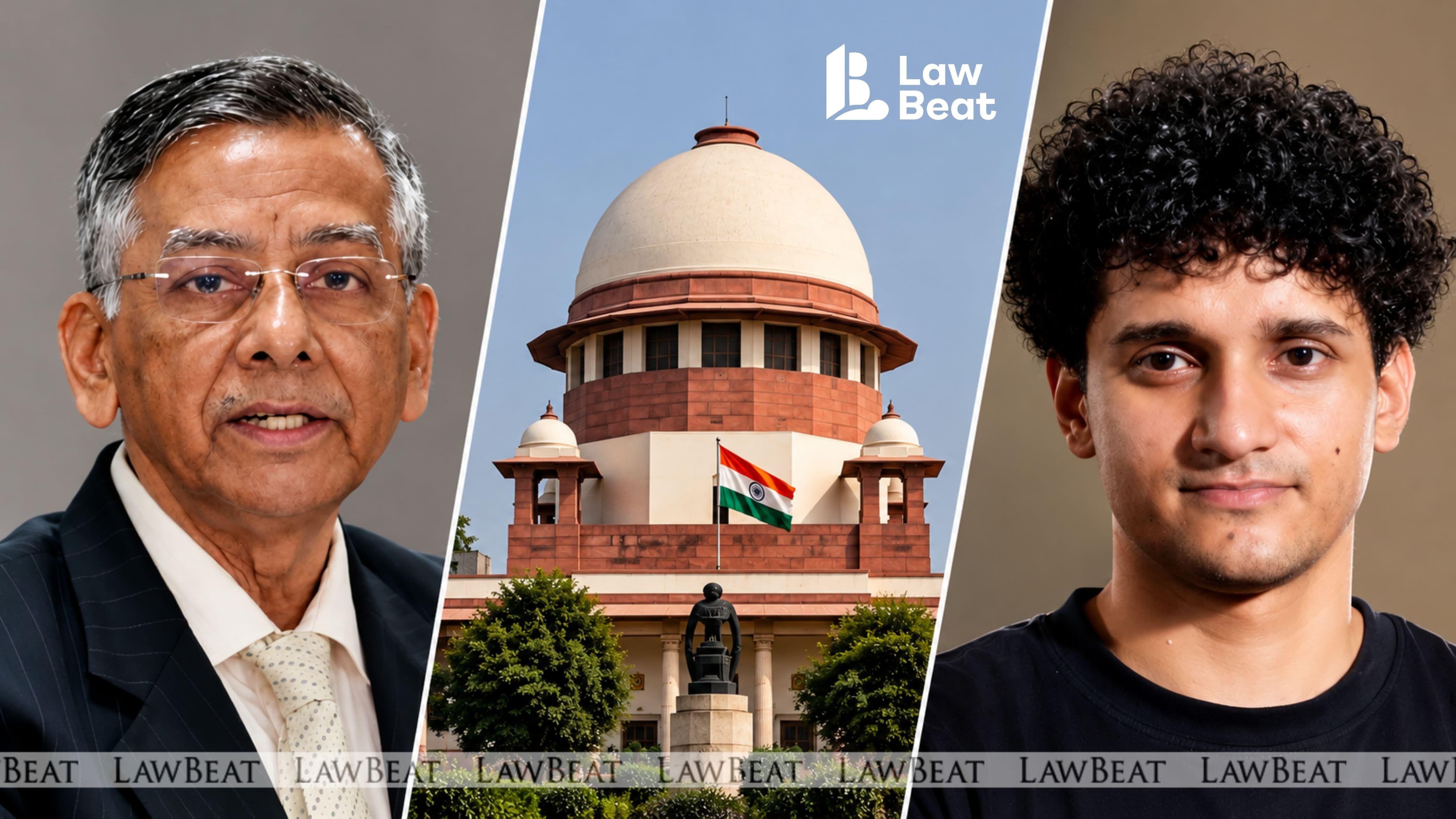
AG Consent Sought for Saurav Das Contempt X Post Targeting CJI Surya Kant
Summary
- Advocate Kaushik Chatterjee has sought Attorney General R. Venkataramani's consent to initiate criminal contempt proceedings against Saurav Das.
- The request targets an X post by Saurav Das from October 4, 2026, which criticized a Supreme Court Bench, including CJI Surya Kant and Justice Joymalya Bagchi.
- Das's post declared the bench would have "absolutely ZERO CREDIBILITY" before hearing two specific petitions the following day.
- The advocate's concern focuses on the post's timing and direct references to an imminent judicial proceeding, distinguishing it from general criticism.
- If approved, the proceedings would be initiated under Section 15(1)(b) of the Contempt of Courts Act, 1971, for alleged criminal contempt.
Advocate Seeks Contempt Action Over X Post
The Attorney General R. Venkataramani's decision on this request for consent to initiate criminal contempt proceedings India is highly anticipated.
A formal request has been lodged with Attorney General R. Venkataramani by Supreme Court advocate Kaushik Chatterjee, seeking consent to initiate criminal contempt proceedings against Saurav Das. The application, made under Section 15(1)(b) of the Contempt of Courts Act, 1971, targets a specific X (formerly Twitter) post authored by Das on the evening of October 4, 2026.
The controversial post by Saurav Das, published at 9:50 PM, directly addressed a Supreme Court Bench scheduled to hear two petitions the following day, October 5, 2026. These cases, *Rakesh Kumar Singh v. Union of India & Ors.* (W.P.(C) No. 1246/2026) and *Shailendra Mani Tripathi v. Union of India & Ors.* (W.P.(Crl.) No. 401/2026), were listed at serial numbers 22 and 23 before the Chief Justice’s Court. The bench comprised Chief Justice of India Surya Kant, Justice Joymalya Bagchi, and Justice V. Mohana. Das's commentary specifically named CJI Surya Kant and Justice Joymalya Bagchi, asserting that the bench would possess "absolutely ZERO CREDIBILITY" regardless of its actions in the upcoming hearing.
Content of the Allegedly Contemptuous Post
In his X post, Saurav Das urged Chief Justice of India Surya Kant and Justice Joymalya Bagchi to "quietly sit this one out," referencing their alleged involvement in ensuring the "illegal SIR process" proceeded without issues in Bengal and Bihar. He further accused the Supreme Court of complicity in the "stealing" of voting rights for Gen Z and criticized the judiciary for failing to timely hear and decide significant petitions, such as those concerning the toppling of the Maharashtra government, the breaking up of political parties, and the Delhi constitutional crisis case. Das concluded that the Supreme Court's actions had allowed the BJP to prevail, leaving a "big blot on our judiciary."
The advocate's letter, dated October 5, 2026, reproduced the full text of Das's post. Chatterjee emphasized that his request for criminal contempt proceedings was not based on general criticism of judicial decisions or the functioning of constitutional courts. He explicitly acknowledged that fair, robust, and even sharp criticism of judgments is permissible and that contempt jurisdiction is not intended to shield judges from legitimate public scrutiny. However, he argued that Das's post crossed a critical line due to its specific nature and timing.
Legal Framework and Significance
The core of Advocate Kaushik Chatterjee's concern lies in the precise timing and direct references within the Saurav Das contempt X post concerning CJI Surya Kant and the specific bench. Chatterjee highlighted that the post named two sitting judges of a bench poised to hear proceedings that very day, called upon them to recuse themselves, attributed "complicity" to the Supreme Court in alleged deprivation of voting rights, and, crucially, declared the bench would have "ZERO CREDIBILITY" even before the hearing commenced. This, he contends, raises a question of whether the publication falls within the ambit of criminal contempt as defined under Section 2(c) of the Contempt of Courts Act, 1971, which includes acts that scandalize or tend to scandalize the court.
The Attorney General R. Venkataramani's decision on this request for consent to initiate criminal contempt proceedings India is highly anticipated. This case could significantly influence the interpretation of free speech versus judicial integrity in the digital age, particularly regarding social media commentary on ongoing legal matters and the credibility of the Supreme Court Bench. The outcome will help delineate the evolving line between permissible criticism and actions deemed to undermine the judiciary's authority, setting a precedent for future online expressions related to judicial proceedings.
Practical Implications
Lawyers and compliance officers should monitor the Attorney General's decision on this contempt request, as it will clarify the evolving line between legitimate criticism of the judiciary and criminal contempt, particularly concerning social media commentary on ongoing cases and judges. This case could set a precedent for future online speech related to judicial proceedings in India, impacting how public statements about the judiciary are perceived and regulated.
Source
How does this affect you?
Get an AI analysis of this article grounded in your jurisdictions, practice areas, and any policy documents you've uploaded to Wansom.
Finish Reading the Full Story and the Expert Analysis.
Get the latest legal & regulatory intelligence in India
Wansom is AI and can make mistakes.