
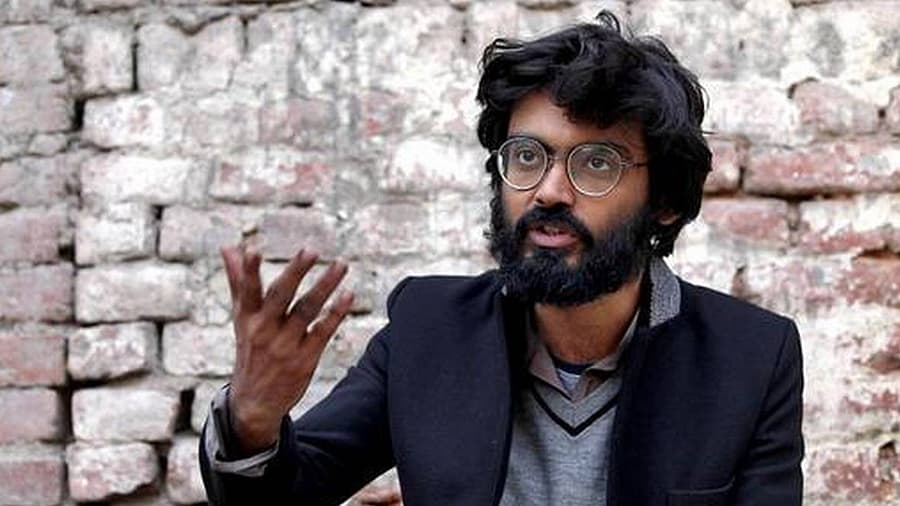
Delhi Court: Sharjeel Imam Interim Bail Media Violation Cancels Release
Summary
- A Delhi court found that Sharjeel Imam violated his interim bail conditions by engaging with the media.
- The violation occurred when Imam was present during an interview his brother gave to ANI, as evidenced by videos on YouTube and X.
- Additional Sessions Judge Sameer Bajpai cancelled Imam's interim bail, ordering him to surrender later that same day.
- Imam's seven-day interim bail, granted for attending a family wedding, explicitly prohibited contact with media or use of social media.
- The court rejected the defense's argument that Imam had not directly interacted with journalists or that the videos were compiled clips.
What Happened
This ruling underscores the strict interpretation of bail conditions, particularly those restricting media interaction, and highlights that even passive presence during media engagements can be construed as a violation.
A Delhi court recently determined that Sharjeel Imam had breached the conditions of his interim bail in a case related to the Delhi riots conspiracy. The court, presided over by Additional Sessions Judge Sameer Bajpai at the Karkardooma courts, specifically identified a Sharjeel Imam interim bail media violation. This finding led to the judge's decision to cancel the interim bail, with Imam ordered to surrender later that same day.
Imam had been granted interim bail for a period of seven days, from October 4 to October 10, to allow him to attend the wedding ceremonies of his cousin brothers. A crucial stipulation among the Delhi court Sharjeel Imam bail conditions was an explicit prohibition against any contact with the media or engagement with social media platforms. The court's observation confirmed that this specific condition had not been met during his temporary release.
Legal Context and Arguments
The prosecution, represented by Special Public Prosecutor (SPP) Madhukar Pandey, presented evidence to the court asserting that Imam had indeed violated his bail terms. Pandey's arguments relied heavily on video footage uploaded to YouTube and the social media platform X. These videos reportedly showed Imam present in a room while his brother was being interviewed by the news agency ANI. Furthermore, Pandey highlighted other ANI videos depicting Sharjeel Imam seated in his living room, engaged in conversations with other individuals present. The prosecution contended that such recordings could not have been made without Imam's awareness and implicit consent, thereby constituting a breach of the Karkardooma courts media interaction bail restriction.
In response, Advocate Talib Mustafa, representing Imam, countered the prosecution's claims. Mustafa asserted that his client had neither engaged in direct interaction with any journalist nor provided any interviews himself. He further argued that a video uploaded by News 24 was a compilation of distinct clips and that the interview in question was given by Imam's brother, who was not subject to the same interim bail conditions Delhi riots case. However, after a thorough review of the video evidence presented, the court ultimately rejected the defense's position that Imam was not present or aware when the interview was being recorded, siding with the prosecution's interpretation of the events.
Why It Matters
This ruling by ASJ Sameer Bajpai offers significant insight into the judiciary's stringent approach to upholding bail conditions, particularly those designed to limit public communication. The court's finding that Imam's mere presence during a media interview constituted a violation underscores that "contact with the media" can be interpreted broadly, extending beyond direct verbal engagement. It signals that even passive involvement or being within the vicinity of media activity can be deemed a breach, placing a high onus on individuals granted bail to meticulously avoid any situation that could be construed as a violation.
This decision carries important implications for legal practitioners and their clients. Lawyers must advise clients that strict adherence to all stipulated terms, especially those concerning media interaction, is paramount. The potential for adverse judicial observations, or even the revocation of bail, looms large if conditions are not scrupulously followed. This case reinforces the principle that judicial orders, including interim bail conditions, are to be respected in their entirety, and any perceived deviation, however indirect, can lead to serious legal consequences. This ruling underscores the strict interpretation of bail conditions, particularly those restricting media interaction, and highlights that even passive presence during media engagements can be construed as a violation.
Practical Implications
This ruling underscores the strict interpretation of bail conditions, particularly those restricting media interaction. Lawyers must advise clients that even passive presence during media interviews can be deemed a violation, potentially leading to bail revocation or adverse judicial observations, necessitating meticulous adherence to all stipulated terms.
Source
How does this affect you?
Get an AI analysis of this article grounded in your jurisdictions, practice areas, and any policy documents you've uploaded to Wansom.
Finish Reading the Full Story and the Expert Analysis.
Get the latest legal & regulatory intelligence in India
Wansom is AI and can make mistakes.