
Kiir Dissolves South Sudan Transitional Government, Forms Caretaker
Summary
- President Salva Kiir is set to dissolve South Sudan's transitional government at midnight on Tuesday.
- A new caretaker government will be established to oversee upcoming elections and prevent a constitutional vacuum.
- The dissolution aligns with the 2018 peace agreement, which requires the transitional government to end three months before elections.
- Parliament recently amended the election law, which President Kiir signed, enabling this dissolution.
- General elections are scheduled for December 22, despite ongoing delays and political disagreements.
Government Transition Underway
The decision to dissolve the transitional government is primarily driven by the imperative to avert a constitutional vacuum, as the current administration's mandate is set to expire tonight.
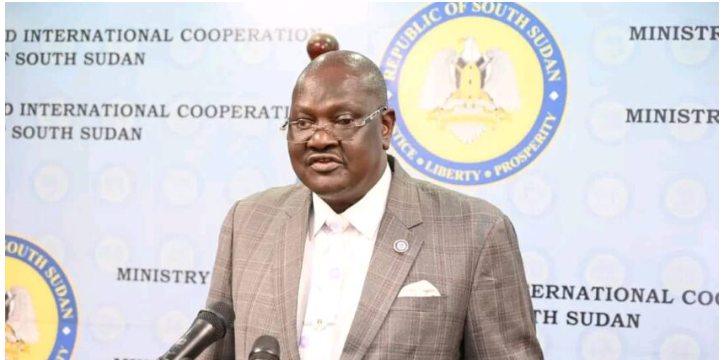
President Salva Kiir of South Sudan is set to dissolve the nation's transitional government at midnight on Tuesday, a move confirmed by Minister of ICT and Postal Services Ateny Wek Ateny. This impending dissolution is a pivotal moment, intended to prevent a constitutional vacuum that would otherwise arise as the transitional unity government's current mandate officially concludes tonight. Following this action, a new caretaker government will be promptly established, with its primary responsibility being to oversee the country's planned general elections.
In anticipation of this significant political shift, security measures have been noticeably intensified across various districts of the capital, Juba. Minister Ateny reassured the public regarding these deployments, explaining that their sole purpose is to ensure the safety and protection of civilians and their property. He explicitly stated that there is no cause for concern, emphasizing the government's commitment to maintaining stability and order during this critical period of governmental transition.
Underlying Mandate and Legislative Action
The decision to dissolve the transitional government is primarily driven by the imperative to avert a constitutional vacuum, as the current administration's mandate is set to expire tonight. Minister Ateny highlighted that the 2018 peace agreement, a foundational document for South Sudan's political stability, stipulates that the transitional government must conclude its term three months prior to national elections. This three-month window, crucial for electoral preparations, concludes at the close of Tuesday.
Further underpinning President Kiir's authority to enact this dissolution is a recent legislative development. Just one day before Minister Ateny's announcement, the national parliament successfully passed an amendment to the existing election law. President Kiir subsequently signed this amended legislation into law, thereby providing the legal framework necessary for him to proceed with the dissolution of the government. This sequence of legislative action ensures that the transition occurs within a recognized legal framework.
Looking Ahead to Elections
With the transitional government's dissolution, immediate focus shifts towards the general elections, which are officially slated for December 22. The newly formed caretaker government will inherit the crucial responsibility of guiding the nation through these polls, a task complicated by existing challenges. This interim administration is expected to manage the electoral process, ensuring its integrity and logistical execution.
However, the path to the December elections is not without obstacles. Preparations for the nationwide vote have already encountered significant delays, raising questions about the readiness for the scheduled date. Compounding these logistical issues are persistent political disagreements among various stakeholders concerning the electoral process itself. These ongoing challenges underscore the complex environment in which the new caretaker administration will operate as it endeavors to facilitate a credible and timely election, a key step towards a more permanent government.
Practical Implications
The dissolution of the transitional government and the formation of a caretaker administration signals a period of political and potentially regulatory flux in South Sudan. Lawyers and compliance officers should closely monitor the composition and initial directives of the new caretaker government for any immediate changes to policy, legal frameworks, or regulatory enforcement that could impact clients operating in the jurisdiction.
Source
How does this affect you?
Get an AI analysis of this article grounded in your jurisdictions, practice areas, and any policy documents you've uploaded to Wansom.
Finish Reading the Full Story and the Expert Analysis.
Get the latest legal & regulatory intelligence in South Sudan
Wansom is AI and can make mistakes.