
South Sudan, Sudan: Abyei Election Dispute Intensifies at UN
Summary
- Sudan and South Sudan are in a diplomatic dispute at the UN over Juba's plan to include the Abyei region in its December 2026 elections.
- Sudan formally rejected the move on July 13, citing violations of existing agreements and an undermining of Abyei's legal status.
- South Sudan defended its decision, linking it to Abyei's unresolved final status and the rights of the Ngok Dinka people.
- UN Secretary-General António Guterres warned that South Sudan's electoral plans for Abyei could significantly increase political tensions between the two nations.
- The dispute highlights the ongoing failure to implement the 2005 Comprehensive Peace Agreement's planned referendum for Abyei's final status.
Diplomatic Standoff at the UN
The United Nations Secretary-General, António Guterres, highlighted the potential for heightened political tensions in a report covering developments between April 16 and October 1.
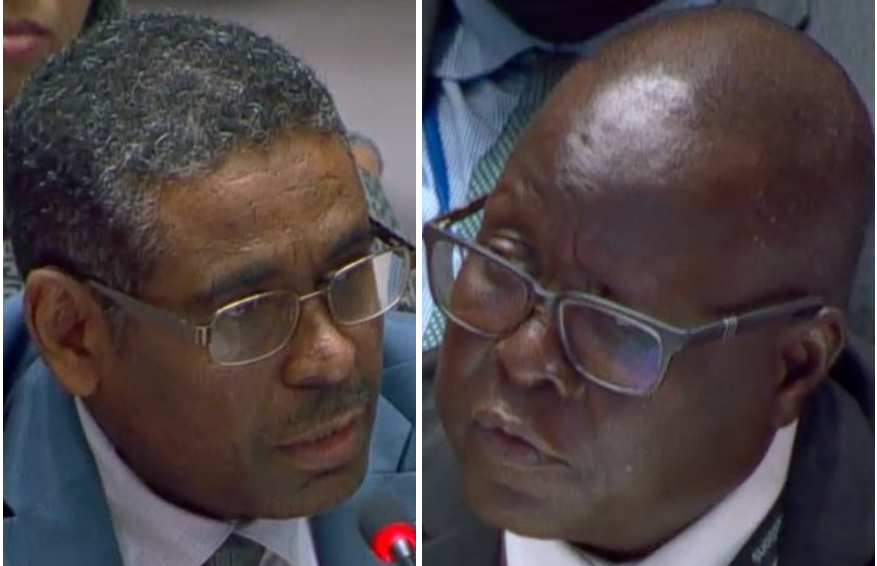
A recent confrontation at the United Nations Security Council saw Sudan and South Sudan publicly disagree over Juba's intention to include the contested Abyei region in its upcoming December 2026 general elections. Khartoum's representative, Al-Harith Idriss Al-Harith Mohamed, voiced strong objections, asserting that South Sudan's electoral plans constitute a breach of existing bilateral agreements and an attempt to undermine Abyei's established legal framework. He emphasized Sudan's continued dedication to advancing the political process concerning Abyei, noting its high-level attention within the Sudanese government.
Sudan formally rejected this electoral inclusion on July 13, prompting South Sudan to reiterate its commitment to proceed with the elections four days later. Sabino Edward Nyawella Amaikwey, South Sudan's Deputy Permanent Representative to the UN, defended his nation's stance, arguing that the question of electoral participation is intrinsically linked to Abyei's unresolved final status. He stressed that the rights and interests of the Ngok Dinka people, particularly the nine Ngok chiefdoms, cannot be overlooked while this status remains undetermined through agreed processes.
The United Nations Secretary-General, António Guterres, highlighted the potential for heightened political tensions in a report covering developments between April 16 and October 1. Guterres specifically warned that South Sudan's stated intention to incorporate Abyei into its electoral districts for the 2026 elections, which Sudan views as contrary to signed agreements, is likely to significantly escalate political friction as the election date approaches. He further cautioned that a lack of progress on Abyei's final status and governance arrangements continues to foster uncertainty, suggesting that any unilateral actions could jeopardize efforts toward a negotiated resolution.
The Enduring Abyei Dispute
The current disagreement over electoral inclusion is the latest manifestation of a long-standing dispute over Abyei's political future, which has persisted since South Sudan achieved independence in 2011. The two nations have consistently failed to agree on mechanisms for determining the territory's final status. A key component of the 2005 Comprehensive Peace Agreement (CPA) was a planned referendum, designed to allow Abyei residents to choose whether to join Sudan or South Sudan.
However, this crucial vote never materialized, primarily due to an inability of the two governments to reach consensus on voter eligibility criteria and other necessary arrangements. This unresolved issue has left Abyei in a state of administrative and political limbo for over a decade. The recent electoral dispute now exacerbates these deep-seated differences, adding another layer of complexity to existing disagreements concerning the territory's overall administration, security protocols, and long-term political trajectory.
Broader Security and Governance Concerns
Beyond the electoral debate, Sudan's representative also voiced apprehension regarding the military presence within Abyei. Concerns were raised about the continued deployment of the South Sudan Peoples Defence Forces (SSPDF) in the southern sector of the region, as well as elements of the Rapid Support Forces (RSF) in the northern sector. While acknowledging South Sudan's commitment to withdrawing its forces, the Sudanese envoy criticized the RSF's appointment of its own representative to the Abyei Joint Oversight Committee. This appointment, according to Sudan, lacks any legal validity and represents an attempt by an armed group to usurp the responsibilities and powers designated for bilateral institutions established by both Sudan and South Sudan. Conversely, South Sudan defended the presence of its own forces, asserting their right to be in areas located south of the River Kiir. These ongoing security and governance disputes underscore the fragility of the situation and the potential for further destabilization in the absence of a comprehensive agreement.
Practical Implications
Lawyers advising on investments or operations in the Abyei region should be aware of the heightened political and legal uncertainty surrounding its electoral inclusion and final status, as this dispute could lead to increased instability and impact future governance or property rights. Compliance officers should monitor developments closely for potential risks arising from the escalating tensions between Sudan and South Sudan over this contested territory.
Source
How does this affect you?
Get an AI analysis of this article grounded in your jurisdictions, practice areas, and any policy documents you've uploaded to Wansom.
Wansom is AI and can make mistakes.