
RSF Seeks Role Abyei: UN Envoy Reports Parallel Co-Chair
Summary
- The Rapid Support Forces (RSF) have unilaterally appointed a co-chair to the Abyei Joint Oversight Committee, challenging established agreements between Sudan and South Sudan.
- UN Special Envoy Guang Cong reported this action to the Security Council, expressing concern about the Sudanese conflict spilling into the disputed Abyei region.
- The Abyei Joint Oversight Committee has been inactive since 2017, despite both governments expressing willingness to reactivate it.
- Increased presence of armed elements, including RSF and SSPDF, threatens Abyei's demilitarised status, leading to clashes and a devastating drone attack on October 19.
- Abyei's final status remains unresolved since 2011, with a mandated referendum never occurring due to disagreements between Sudan and South Sudan.
RSF's Unilateral Moves in Abyei
The RSF's unilateral actions in Abyei, including appointing a parallel co-chair, signal a significant deviation from established agreements and mechanisms between Sudan and South Sudan.
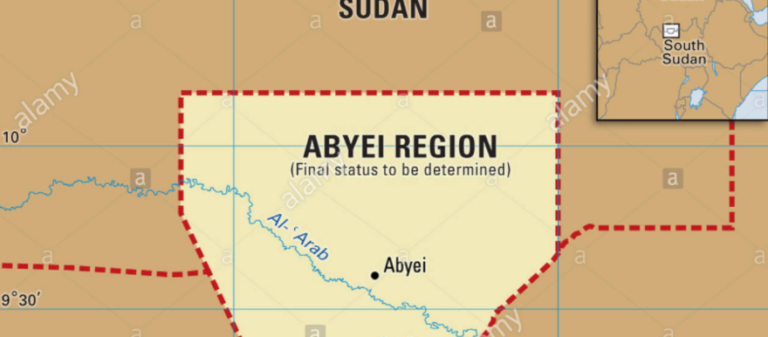
The paramilitary Rapid Support Forces (RSF) have unilaterally sought to establish a presence in the administration of the contested Abyei region, a development that includes the appointment of a parallel co-chair to a crucial joint oversight committee. This action, reported by United Nations Special Envoy for the Horn of Africa Guang Cong to the Security Council on Thursday, has ignited concerns regarding the potential for Sudan's ongoing conflict to spread into the already volatile area. The RSF's involvement in Abyei's affairs, specifically its August appointment of a co-chair for the Abyei Joint Oversight Committee (AJOC), stands outside the established frameworks and agreements between Sudan and South Sudan.
Cong emphasized that the RSF's parallel appointment was not part of the arrangements previously agreed upon by the two governments. This move by the Rapid Support Forces Abyei signals a significant deviation from the established protocols governing the disputed territory. Such actions underscore growing anxieties about the broader implications of the war in Sudan, which commenced in April 2023 between the Sudanese army (SAF) and the RSF, for Abyei's delicate security and political landscape.
Undermining Established Mechanisms
The Abyei Joint Oversight Committee (AJOC), designed as a pivotal bilateral mechanism for the administration of the disputed territory, has been inactive since 2017. Despite efforts by Special Envoy Cong's office to engage officials from both Sudan and South Sudan on reactivating the committee, and both governments expressing a willingness to resume its operations, these discussions have yet to result in concrete action. Sudan's Foreign Minister Mohieldin Salim Ahmed Ibrahim did pledge support for the AJOC mechanism in October, following reports in September of a reshuffle and the appointment of a new committee co-chair.
Further complicating the situation, the RSF's interest in Abyei affairs and its August appointment of an AJOC Co-Chair remains entirely outside the framework of the signed agreements and subsequent mechanisms between the two nations, as Guang Cong Abyei statement highlighted to the 15-member council. This unilateral action directly challenges the Abyei demilitarised status, which is already under threat from increased movements by the RSF, the South Sudan Peoples Defence Forces (SSPDF), and other armed elements within the Abyei Box. While a meeting of the Joint Political and Security Mechanism (JPSM) in Juba resumed in August after a suspension since 2023, marking a step towards bilateral cooperation, a follow-up meeting scheduled for October 20 was postponed to November 8-10, indicating persistent challenges in diplomatic engagement.
Escalating Violence and Humanitarian Crisis
The growing presence of armed elements within Abyei poses a direct threat to the efforts of the United Nations Interim Security Force for Abyei (UNISFA), the Abyei Area Special Administration, and traditional leaders who strive to preserve the region's demilitarised status. This warning from Special Envoy Cong follows a series of violent incidents, including clashes in September involving Misseriya, Nuba, and Ngok Dinka groups near Amiet market, alongside ongoing tensions between the Ngok Dinka and Twic Dinka communities.
A particularly devastating event occurred on October 19, when drone attacks on Amiet market resulted in mass civilian casualties, marking one of the deadliest incidents in Abyei's history. Cong condemned these strikes, attributing them to the spillover from Sudan's conflict, and called for an independent investigation to ascertain the facts and hold those responsible accountable. These attacks have severely exacerbated Abyei's already dire humanitarian situation. Over 50,000 individuals, including South Sudanese returnees, Sudanese refugees, and other asylum seekers, have sought refuge in South Sudan via Abyei, while persistent attacks on civilians, widespread food shortages, and funding limitations continue to compound humanitarian needs across the region.
The Enduring Dispute and International Obligations
The Sudan South Sudan Abyei dispute over the final status of Abyei has remained unresolved since the two nations separated in 2011. The 2005 Comprehensive Peace Agreement stipulated a referendum to determine whether the territory would align with Sudan or South Sudan, but this vote has never materialized due to the governments' inability to agree on critical issues, such as voter eligibility. Special Envoy Cong underscored that the resolution of Abyei's final status represents the most significant outstanding issue between the two countries, impeded by a lack of political will and domestic security pressures.
In light of the escalating tensions and violence, Cong urged both Sudan and South Sudan to uphold Abyei's demilitarised status, actively work to prevent further attacks, and consistently respect international humanitarian law. The RSF's unilateral actions in Abyei, including appointing a parallel co-chair, signal a significant deviation from established agreements and mechanisms between Sudan and South Sudan. This escalation increases legal and operational risks for entities with interests in the Abyei region, necessitating heightened due diligence and monitoring of the evolving security and governance landscape, particularly concerning compliance with international humanitarian law and the potential for conflict spillover.
Practical Implications
The RSF's unilateral actions in Abyei, including appointing a parallel co-chair, signal a significant deviation from established agreements and mechanisms between Sudan and South Sudan. This escalation increases legal and operational risks for entities with interests in the Abyei region, necessitating heightened due diligence and monitoring of the evolving security and governance landscape, particularly concerning compliance with international humanitarian law and the potential for conflict spillover.
Source
How does this affect you?
Get an AI analysis of this article grounded in your jurisdictions, practice areas, and any policy documents you've uploaded to Wansom.
Wansom is AI and can make mistakes.