
UN Warns South Sudan: Abyei Elections Risk Sudan Tensions
Summary
- The UN has warned that South Sudan's plan to include the disputed Abyei region in its December 2026 elections could escalate tensions with Sudan.
- Sudan formally protested South Sudan's decision on July 13, while Juba reaffirmed its intention to proceed on July 17.
- The absence of progress on Abyei’s final status and governance arrangements remains a significant source of uncertainty.
- Disagreements over Abyei’s political status and security arrangements continue to impede progress despite resumed bilateral meetings.
- The presence of unauthorized armed groups, including RSF elements, and persistent inter-communal violence contribute to a fragile security situation in Abyei.
Escalating Tensions Over Abyei Elections
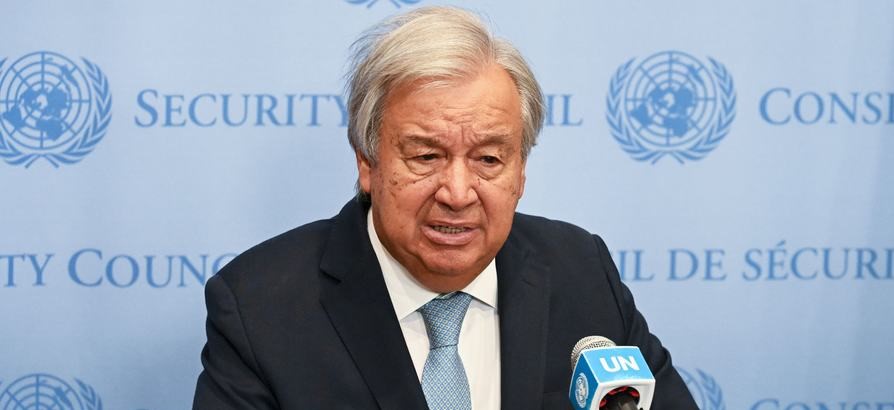
Guterres specifically warned that this stated intention by the Government of South Sudan, which the Government of Sudan views as a breach of signed accords, is poised to significantly escalate political tensions as the election date approaches.
The United Nations has issued a cautionary statement regarding South Sudan's intention to incorporate the contested Abyei region into its upcoming December 2026 general elections. This move, according to the UN, carries the risk of intensifying friction with neighboring Sudan. Secretary-General António Guterres, in a report submitted to the UN Security Council covering the period from April 16 to October 1, highlighted Sudan's formal objection to Juba's decision. Sudan contends that including Abyei in South Sudan's electoral districts contravenes existing agreements between the two nations.
South Sudan is preparing for its inaugural national polls since achieving independence in 2011, scheduled for December 2026. Sudan formally registered its protest against South Sudan's announcement on July 13. In response, Juba reiterated its sovereign right to conduct elections within the disputed territory, confirming its resolve to proceed with the plan on July 17. Guterres specifically warned that this stated intention by the Government of South Sudan, which the Government of Sudan views as a breach of signed accords, is poised to significantly escalate political tensions as the election date approaches.
The Disputed Status of Abyei and International Efforts
The enduring lack of progress concerning Abyei's definitive status and its governance frameworks remains a significant source of instability, as noted in the UN report. The report cautioned that any unilateral actions could jeopardize ongoing efforts aimed at achieving a negotiated resolution for the region. Guterres implored both the South Sudanese and Sudanese governments to address election-related concerns and the ultimate status of Abyei through the established Joint Political and Security Mechanism, while simultaneously refraining from any unilateral measures that might alter the territory's current standing.
Some positive developments in bilateral engagement were observed, with the Joint Political and Security Mechanism resuming its meetings in Juba on August 10. This marked the first such gathering since January 2023. During this session, participants reviewed recent events in Abyei, discussed bilateral security cooperation, and considered the future of the Joint Border Verification and Monitoring Mechanism. Both governments indicated their willingness to evaluate proposals put forth by the UN Interim Security Force for Abyei (UNISFA) regarding the restructuring of support for the border-monitoring mechanism. However, the report underscored that persistent disagreements over Abyei’s political status and security arrangements continue to hinder substantive progress.
Security Concerns and Unilateral Actions
The UN report also raised alarms about the presence of unauthorized armed groups within Abyei, notably including elements linked to Sudan’s paramilitary Rapid Support Forces (RSF). It was reported that the RSF had, on August 3, announced the appointment of a representative to serve as co-chair of the Abyei Joint Oversight Committee, a role established under a 2011 agreement between the two governments. Guterres cautioned that this particular development could further complicate the already intricate political and security landscape of Abyei.
Furthermore, the region continues to face persistent security challenges, including episodes of violence involving the Ngok Dinka and Misseriya communities. While the UN noted a decline in recorded security incidents, with 191 incidents by October 1 compared to 282 during the same period in 2025—a reduction of approximately 32%—the overall security situation is still characterized as fragile. The mission also indicated that the South Sudan government had pledged to withdraw its army from southern Abyei, though this withdrawal had not commenced by the close of the reporting period. The UN emphasized that achieving a resolution for Abyei’s status is fundamental to establishing lasting stability in the area. The final status of Abyei was originally intended to be determined by a referendum in 2011, coinciding with South Sudan's independence vote. However, this referendum was postponed due to an inability of Sudan and South Sudan to agree on voter eligibility, specifically concerning the participation of the Misseriya community. The Ngok Dinka community, which identifies with South Sudan, proceeded with a unilateral referendum between October 27 and 29, 2013, to decide if Abyei should join South Sudan, with results announced on October 31.
Practical Implications
Lawyers advising clients with operations or investments in South Sudan or Sudan, particularly near the Abyei region, should monitor the escalating political tensions and potential for instability arising from the election dispute. This situation could impact compliance risks, security assessments, and the interpretation of international agreements related to the disputed territory, necessitating careful due diligence and strategic planning.
Source
How does this affect you?
Get an AI analysis of this article grounded in your jurisdictions, practice areas, and any policy documents you've uploaded to Wansom.
Wansom is AI and can make mistakes.