
Ghana Parliament Confidence Crisis: Osae-Kwapong Warns of Erosion
Summary
- Dr. John Osae-Kwapong of CDD-Ghana has warned that new allegations could deepen a crisis of confidence in Ghana's Parliament.
- The concerns stem from existing low public trust and high perceptions of corruption, as indicated by Afrobarometer survey findings.
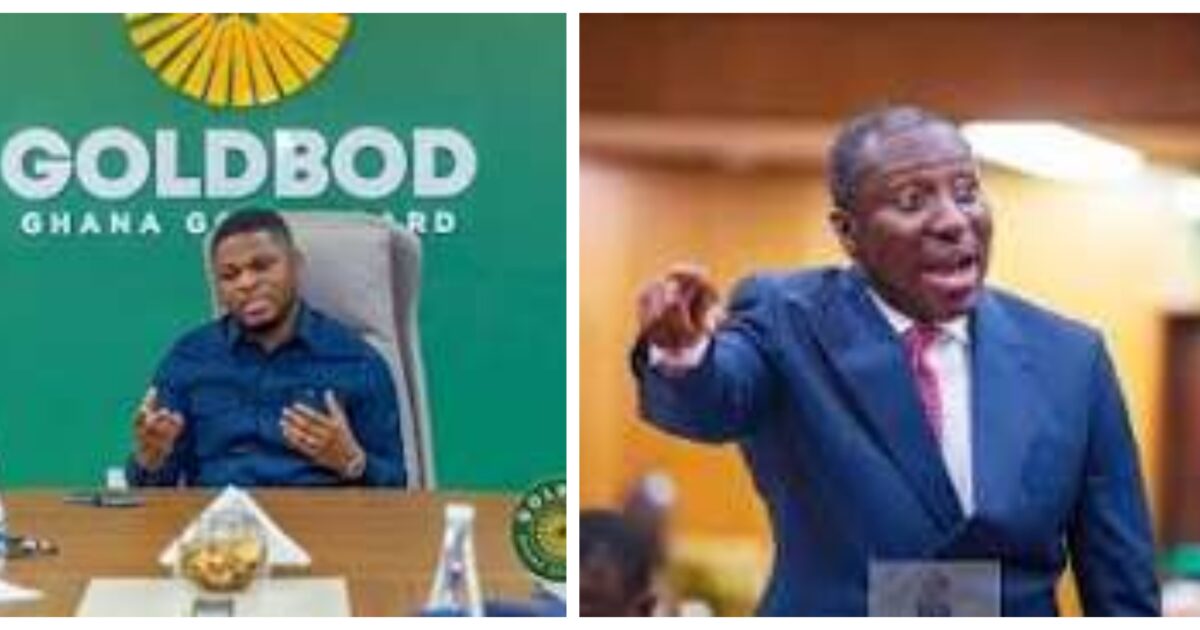
- A recent public dispute involves Majority Leader Alexander Afenyo-Markin and GoldBod CEO Sammy Gyamfi, with Mr. Afenyo-Markin threatening legal action over defamation claims.
- Osae-Kwapong stressed that such controversies risk citizens losing total faith in Parliament, undermining its crucial democratic functions.
- These allegations reinforce negative public perceptions about the institution, which is already struggling with its standing.
Parliament Faces Deepening Trust Crisis
The continued erosion of public confidence in Ghana's Parliament poses a significant threat to the nation's democratic framework, risking a complete loss of faith among citizens in their key representative institution.
Ghana's Parliament is currently navigating a significant crisis of public trust, a situation exacerbated by recent allegations involving political figures. Dr. John Osae-Kwapong, a Democracy and Development Fellow at CDD-Ghana, issued a stark warning on Joy News’ PM Express on Tuesday, indicating that these fresh accusations could further erode public confidence in the legislative body. His concerns extend beyond the individuals at the center of the current controversy, pointing instead to a fundamental challenge in how the institution, as the people's primary representative, is perceived by the populace.
Dr. Osae-Kwapong highlighted that the issues facing the Ghana Parliament confidence crisis Osae-Kwapong are not new. He referenced findings from an Afrobarometer survey, which previously underscored Parliament's precarious standing in the eyes of citizens. This survey revealed widespread low trust and high perceptions of corruption associated with the institution. Consequently, when new allegations emerge, they tend to reinforce these already prevalent negative perceptions among sections of the public regarding Ghana's key democratic representative structure.
Allegations Spark Public Controversy
The latest public controversy fueling this distrust involves Majority Leader Alexander Afenyo-Markin and Sammy Gyamfi, the Chief Executive Officer of GoldBod. Mr. Gyamfi publicly accused certain critics of GoldBod, including Mr. Afenyo-Markin, of engaging in extortion. In response, Mr. Afenyo-Markin vehemently denied these GoldBod allegations and subsequently threatened legal action, characterizing Mr. Gyamfi's claims as defamatory.
This high-profile dispute has ignited a broader national conversation concerning Ghana political accountability, the necessity of political scrutiny, and the expected conduct of public officials. For Dr. Osae-Kwapong, the true danger lies not just in the specific allegations, but in their potential to further damage an institution already struggling with its public image and Parliamentary integrity Ghana. The threat of a Sammy Gyamfi defamation threat against a sitting Majority Leader underscores the intensity of the current political climate and the scrutiny faced by public figures.
Erosion of Democratic Legitimacy
The implications of this deepening confidence crisis are profound for Ghana's democratic system. Parliament holds a central and indispensable role, tasked with holding the Executive accountable, providing essential oversight, and enacting laws on behalf of its citizens. When public confidence and trust in such a pivotal institution continue to erode, Dr. Osae-Kwapong cautioned that it could ultimately lead to citizens losing total faith in Parliament, a scenario that would gravely undermine the nation's democracy.
These allegations, therefore, demand serious attention due to their potential to impact the institution itself, particularly at a time when its standing in the public eye is already compromised. The CDD-Ghana Parliament public trust is a critical component of democratic stability, and its continued decline could jeopardize the perceived legitimacy of legislative actions and the overall functionality of governance.
Heightened Scrutiny for Public Officials
The current climate of public distrust and the ongoing controversies signal a period of heightened scrutiny for all public officials and entities engaging with the legislative branch in Ghana. Even unproven allegations contribute to reinforcing negative public perceptions, which can have significant reputational and operational consequences. This environment necessitates a careful approach to Ghana political accountability and Parliamentary integrity Ghana.
For legal professionals and compliance officers, this situation underscores the increased risks associated with interactions involving the legislature or the broader public sector. Advising clients on matters that touch upon legislative engagement now requires an even greater awareness of the prevailing public sentiment and the potential for intense scrutiny. The perceived legitimacy of legislative actions is directly tied to public trust, making the current crisis a critical factor in legal and strategic considerations.
Practical Implications
This article highlights significant public distrust in Ghana's Parliament due to recent allegations, which could impact the perceived legitimacy of legislative actions and increase reputational risks for public officials and entities engaging with the legislature. Lawyers and compliance officers should note this heightened scrutiny when advising on matters involving legislative engagement or public sector interactions.
Source
How does this affect you?
Get an AI analysis of this article grounded in your jurisdictions, practice areas, and any policy documents you've uploaded to Wansom.
Wansom is AI and can make mistakes.