
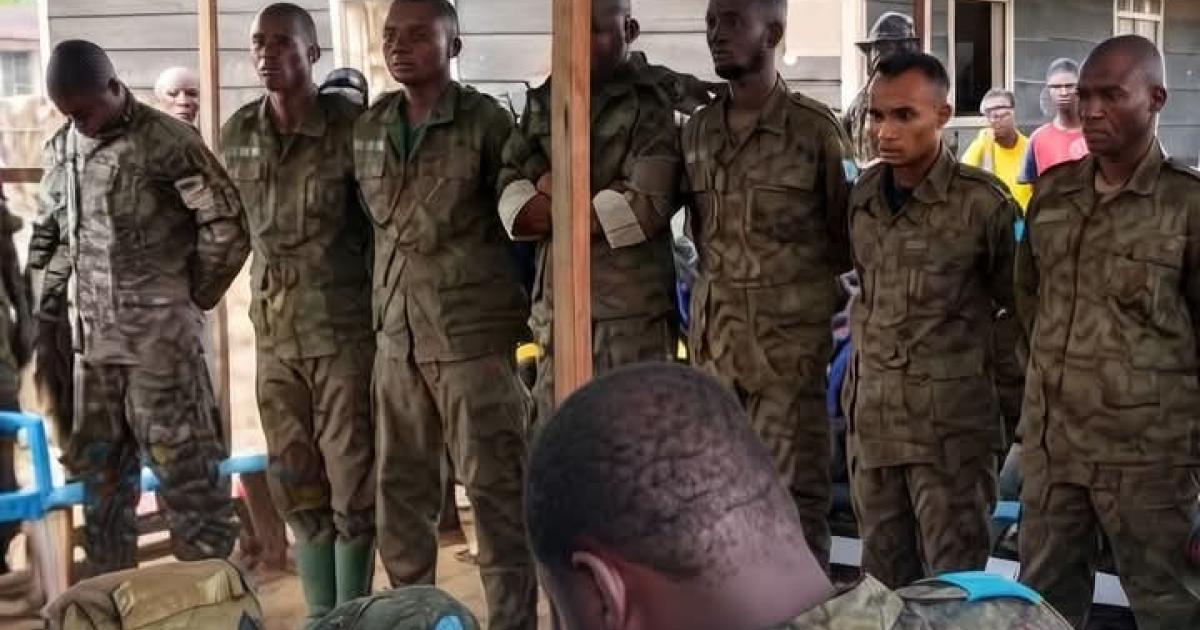
Walikale Military Court: 66 FARDC Soldiers Get Death Sentence
Summary
- Sixty-six FARDC soldiers were condemned to death by the Goma Garrison Military Tribunal.
- The verdict was issued on November 7, 2026, in Walikale-centre.
- The soldiers faced charges of cowardice, military revolt, and refusal to obey orders.
- The tribunal sat in first instance criminal matters to deliver this severe judgment.
The Verdict in Walikale
This ruling by the Goma military tribunal underscores the severe application of military law in the DRC, particularly regarding insubordination and cowardice.
The Goma Garrison Military Tribunal, operating in Walikale-centre, has issued a death sentence against sixty-six members of the Forces Armées de la République Démocratique du Congo (FARDC). This severe judgment, delivered on November 7, 2026, followed proceedings where the military court sat in first instance criminal matters. The condemned soldiers faced serious charges including cowardice (lâcheté), military revolt (révolte militaire), and refusal to obey orders (refus d’obéissance), highlighting a stringent application of military law within the FARDC ranks.
This significant ruling by the Walikale military court FARDC underscores the rigorous disciplinary framework governing the national army. The specific charges of lâcheté, révolte militaire, and refus d’obéissance are considered grave offenses under military statutes, particularly in a region often marked by instability and ongoing security challenges. The decision to impose capital punishment on such a large group of soldiers sends a clear message regarding the expected conduct and unwavering adherence to command within the FARDC, emphasizing the military's zero-tolerance policy for such transgressions.
Congo Military Justice and Capital Punishment
The application of the death penalty by the DRC military tribunal Goma for offenses such as insubordination and military revolt reflects the robust, and often controversial, nature of Congo military justice. While many nations have abolished capital punishment, it remains a legal sanction within the Democratic Republic of Congo's military legal system, particularly for severe breaches of military discipline and conduct. This case, involving 66 FARDC soldiers, brings to the forefront the continued use of the death penalty in the country's military courts, drawing attention to the strict interpretation of military law.
The legal framework under which these sentences are handed down permits such extreme penalties, especially when dealing with actions perceived to undermine military cohesion and operational effectiveness in critical areas. The Goma Garrison Military Tribunal's decision in Walikale-centre is a stark reminder of the potential consequences faced by FARDC personnel who are found guilty of dereliction of duty or rebellion. Such verdicts are intended to reinforce discipline and deter similar acts among the troops, ensuring order and command integrity.
Broader Implications for the FARDC and Military Discipline
The Walikale FARDC soldiers death sentence carries substantial implications for the internal dynamics and public perception of the national army. Such a large-scale condemnation for lâcheté, révolte militaire, and refus d’obéissance suggests a concerted effort by military authorities to address issues of discipline and command structure within the FARDC, particularly in areas prone to conflict. This ruling by the Goma military tribunal underscores the severe application of military law in the DRC, particularly regarding insubordination and cowardice.
The outcome of this military court proceeding in Walikale-centre will undoubtedly resonate throughout the FARDC, serving as a powerful deterrent against any future acts of insubordination or cowardice. It also highlights the ongoing challenges faced by the FARDC in maintaining strict discipline and ensuring obedience among its personnel, especially in operational areas where unit cohesion is paramount. The severity of the punishment reflects the military's commitment to upholding order and accountability, even if it means resorting to the ultimate penalty, thereby reinforcing the gravity of military service obligations.
Practical Implications
This ruling by the Goma military tribunal underscores the severe application of military law in the DRC, particularly regarding insubordination and cowardice. Lawyers practicing military law or human rights in the region should note the continued use of capital punishment and its implications for due process and international legal standards within the FARDC.
Source
How does this affect you?
Get an AI analysis of this article grounded in your jurisdictions, practice areas, and any policy documents you've uploaded to Wansom.
Wansom is AI and can make mistakes.