
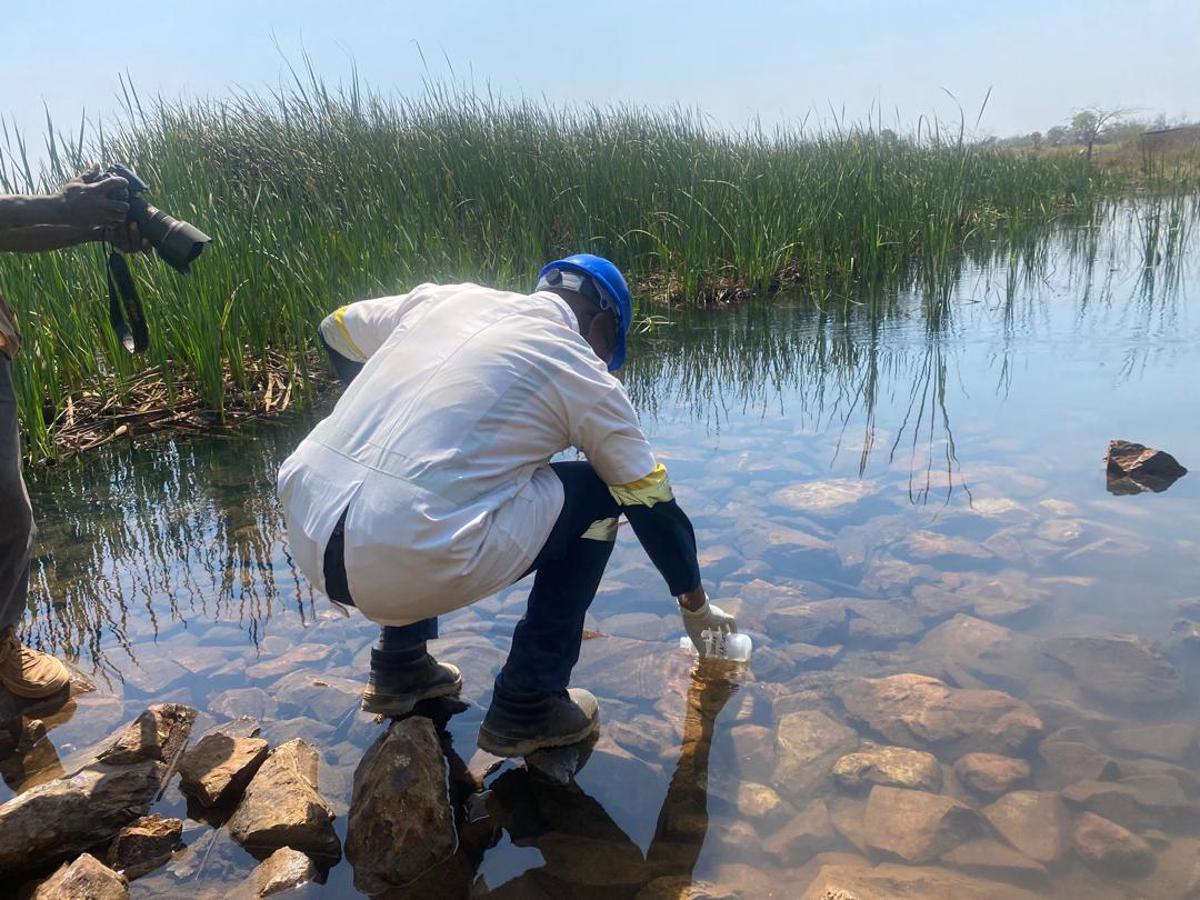
Lubumbashi: CDM Pollution Compensation Delayed One Year for Victims
Summary
- One year after a pollution incident in Lubumbashi, victims have not received promised compensation from Congo Dongfang Mining (CDM).
- The pollution, caused by CDM's wastewater, led to health issues and destroyed crops in the Kasapa, Kamatete, and Kamisepe neighborhoods.
- Human rights organizations report that CDM resumed operations despite failing to implement ministerial directives for reparations.
- Unfulfilled commitments include a $6 million collective compensation, drilling wells, a written agreement, and an ecotoxicological support mechanism.
- Five human rights organizations are demanding CDM fulfill all reparation measures and recommendations from the Ministry of Mines.
Ongoing Pollution and Unpaid Dues in Lubumbashi
Despite ministerial directives and a temporary closure, Congo Dongfang Mining has reportedly resumed operations without fulfilling its commitments to compensate the affected communities or implement crucial environmental remediation measures.
One year after a significant environmental pollution incident impacted the Kasapa, Kamatete, and Kamisepe neighborhoods within Lubumbashi's annexed commune, residents are still awaiting promised compensation. The incident, attributed to Congo Dongfang Mining (CDM), involved millions of cubic meters of wastewater heavily contaminated with metals, which originated from the company's retention basins. This protracted delay in compensation has left the affected communities grappling with persistent health and economic consequences.
Human rights organizations, including Action for Justice and Human Rights (AJDH) and the Institute for Research in Human Rights (IRDH), brought attention to the ongoing plight on Wednesday, November 4, during a meeting with the affected populations. Victims reported visible and lasting impacts, such as swollen feet and scabies among those who came into contact with the polluted water. Furthermore, market gardeners in the area suffered significant economic losses due to their crops being destroyed by acidic contamination, underscoring the severe and multifaceted impact of the pollution.
Ministerial Directives and Corporate Non-Compliance
Following the environmental catastrophe, the then Minister of Mines, Louis Watum Kabamba, issued several directives to CDM, specifically mandating reparations for the damages inflicted upon the communities. Despite these official orders, the human rights groups allege that CDM, which had been temporarily sealed, has since recommenced its operations without adhering to the required measures. This highlights a significant instance of CDM environmental remediation non-compliance.
Hubert Tshiswaka, the Director General of IRDH, detailed several critical commitments that remain unfulfilled by the mining company. These include the payment of a collective compensation totaling six million US dollars to the local communities, the drilling of at least five water wells in each of the affected neighborhoods, and the establishment of a formal written agreement between the communities and CDM. Additionally, a crucial ecotoxicological support mechanism, intended to address the health impacts, has not been implemented. All these measures, deemed essential for the recovery of the DRC mining pollution victims, have reportedly been ignored.
Legal and Regulatory Context of Unfulfilled Compensation
The situation in Lubumbashi underscores a concerning pattern where a mining entity, Congo Dongfang Mining, appears to be operating in defiance of ministerial directives concerning environmental liability. The fact that the company was placed under seal but subsequently resumed activities without fulfilling the stipulated reparations raises questions about the enforcement of environmental regulations and corporate accountability in the region. The unfulfilled environmental compensation in Lubumbashi, particularly in the Kasapa, Kamatete, and Kamisepe areas, represents a direct challenge to the authority of the Ministry of Mines and the rights of the affected citizens.
The demands from the human rights organizations are clear: they urge Congo Dongfang Mining to implement all collective reparation measures and recommendations previously outlined by the Ministry of Mines. This ongoing struggle for justice highlights the difficulties faced by communities in securing environmental remediation and compensation from large industrial operations, even when official orders are in place.
Why the Delay Matters
The persistent Lubumbashi CDM pollution compensation delay, now extending over a year, has profound implications for the affected communities and for environmental governance in the Democratic Republic of Congo. The continued suffering of residents, who endure both health ailments and economic hardship, demonstrates the critical need for timely and effective corporate response to environmental damage. The failure of CDM to comply with ministerial orders not only prolongs the distress of the victims but also sets a troubling precedent for corporate responsibility in the mining sector.
The collective voice of the five human rights organizations serves as a vital advocate for the communities, pushing for the enforcement of environmental justice. When contacted for comment, Congo Dongfang Mining indicated that it would issue a response to the accusations in due course, leaving the communities and their advocates awaiting concrete action rather than further delays.
Practical Implications
Lawyers representing communities affected by environmental damage in the DRC should note this case as an example of protracted non-compliance by a mining company (Congo Dongfang Mining) with ministerial directives for victim compensation. This highlights the potential for ongoing legal challenges to enforce environmental remediation and compensation orders. Compliance officers in the mining sector should review their environmental liability and community engagement frameworks to ensure timely and complete fulfillment of such obligations, mitigating legal and reputational risks.
Source
How does this affect you?
Get an AI analysis of this article grounded in your jurisdictions, practice areas, and any policy documents you've uploaded to Wansom.
Wansom is AI and can make mistakes.