
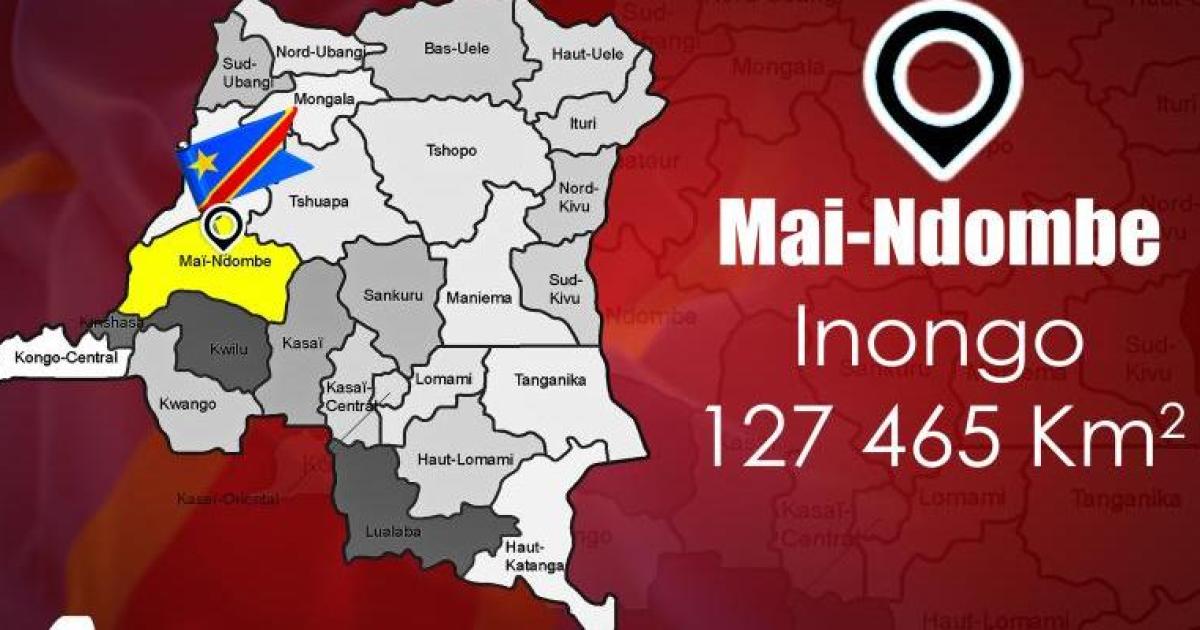
DRC Maï-Ndombe: 5 Arrested Over Mba Village Customary Conflict
Summary
- Five individuals were arrested by police in Mba village, Maï-Ndombe province, early this week.
- The arrests followed clashes linked to a customary conflict within the community.
- The detainees were subsequently transferred to Mushie city, the capital of Mushie territory.
- This incident highlights the role of law enforcement in managing traditional disputes in the Democratic Republic of Congo.
Recent Arrests in Maï-Ndombe
The swift intervention by law enforcement highlights the state's role in addressing disturbances that arise from deeply entrenched local disagreements, particularly those concerning customary law.
Authorities in the Democratic Republic of Congo's Maï-Ndombe province recently apprehended five individuals following a security incident in Mba village. The arrests, carried out by local police forces early in the current week, stem from clashes that erupted due to an ongoing customary conflict within the community. Mba village is situated within the Mushie territory, a region that has periodically experienced localized disputes rooted in traditional practices and land tenure.
Following their apprehension, the five individuals were transported from Mba village to Mushie city. This urban center serves as the administrative capital for the eponymous Mushie territory, where the detainees are expected to undergo further legal processing. The swift intervention by law enforcement highlights the state's role in addressing disturbances that arise from deeply entrenched local disagreements, particularly those concerning customary law. This incident underscores the persistent challenges faced by local governance in managing traditional disputes.
The Nature of Customary Conflicts
Customary conflicts, such as the one reported in Mba village, represent a significant aspect of local governance and security dynamics across the Democratic Republic of Congo. These disputes often originate from disagreements over land ownership, chieftaincy succession, or the allocation of natural resources, all governed by traditional laws and practices that predate modern legal frameworks. In many rural areas, customary law holds considerable sway, and its interpretation or enforcement can lead to tensions between families, clans, or even entire communities.
The escalation of such disagreements into physical confrontations, as observed in the Maï-Ndombe security incident, necessitates intervention by state authorities to restore order. While customary mechanisms often exist for dispute resolution, their failure can result in violence, prompting police involvement. The Mba village arrests exemplify how these localized, tradition-based disputes can intersect with formal legal systems, requiring a delicate balance between respecting local customs and upholding national law.
Law Enforcement Response and Local Administration
The police action in Mba village, leading to the Mushie territory arrests, demonstrates the standard procedure for managing security breaches in remote areas of the DRC. When customary conflicts escalate into violence, the national police are typically dispatched to quell disturbances and apprehend those responsible for the clashes. The transfer of the arrested individuals from a rural settlement like Mba village to a territorial capital such as Mushie city is a common administrative step, facilitating more formal investigations and legal proceedings than might be possible at the village level.
Mushie city, as the administrative hub of its territory, possesses the necessary infrastructure and personnel to handle such cases. This logistical move ensures that the individuals involved in the Maï-Ndombe Mba village customary conflict arrests are processed within a more structured legal environment. The incident highlights the critical function of local administrative centers in supporting law enforcement efforts and maintaining stability across the vast and diverse provinces of the Democratic Republic of Congo.
Broader Implications for Regional Stability
While involving a relatively small number of individuals, the Maï-Ndombe Mba village customary conflict arrests carry broader implications for regional stability. Localized conflicts, even those stemming from traditional disputes, can destabilize communities and, if left unaddressed, potentially contribute to wider insecurity. The prompt police response and subsequent transfer of the detainees to Mushie city underscore the authorities' efforts to contain such incidents and prevent their escalation.
The ongoing presence of customary conflicts in regions like Maï-Ndombe necessitates continuous vigilance and effective governance. Addressing the root causes of these disputes, often involving complex historical and social factors, remains crucial for fostering long-term peace and security. This specific security incident serves as a reminder of the intricate challenges faced by the DRC in balancing traditional practices with modern state authority, particularly in areas where customary law retains strong influence.
Practical Implications
This article reports on a local security incident involving arrests related to a customary conflict in Maï-Ndombe. It does not present a new legal development, regulatory change, or judicial precedent that would require a specific action or watch-out from a lawyer or compliance officer.
Source
How does this affect you?
Get an AI analysis of this article grounded in your jurisdictions, practice areas, and any policy documents you've uploaded to Wansom.
Wansom is AI and can make mistakes.