
UN Issues South Sudan December Elections Violence Warning
Summary
- The UN Commission on Human Rights in South Sudan has issued a stark warning that the nation's planned December elections could ignite further political strife and armed violence.
- This risk is contingent on the absence of adequate security, political, and human rights safeguards, alongside a lack of genuine, inclusive dialogue among all political factions, including supporters of Riek Machar.
- Key concerns include the electoral process being grossly underfunded, an ambitious timeline, and the inability of officials to access violence-affected regions, potentially disenfranchising voters.
- The Commission emphasized that elections alone will not resolve South Sudan's deep-seated political crisis, urging leaders to prioritize dialogue over military or purely judicial solutions.
- The human rights situation in South Sudan has shown no fundamental improvement over the past decade, with civilians continuing to face violence, adding to the complexity of the electoral preparations.
The Looming Threat of Instability
He explicitly warned that holding elections without robust safeguards and authentic political discourse risks transforming the electoral process into a crucible for political confrontation and armed violence, thereby increasing the potential for atrocity crimes.
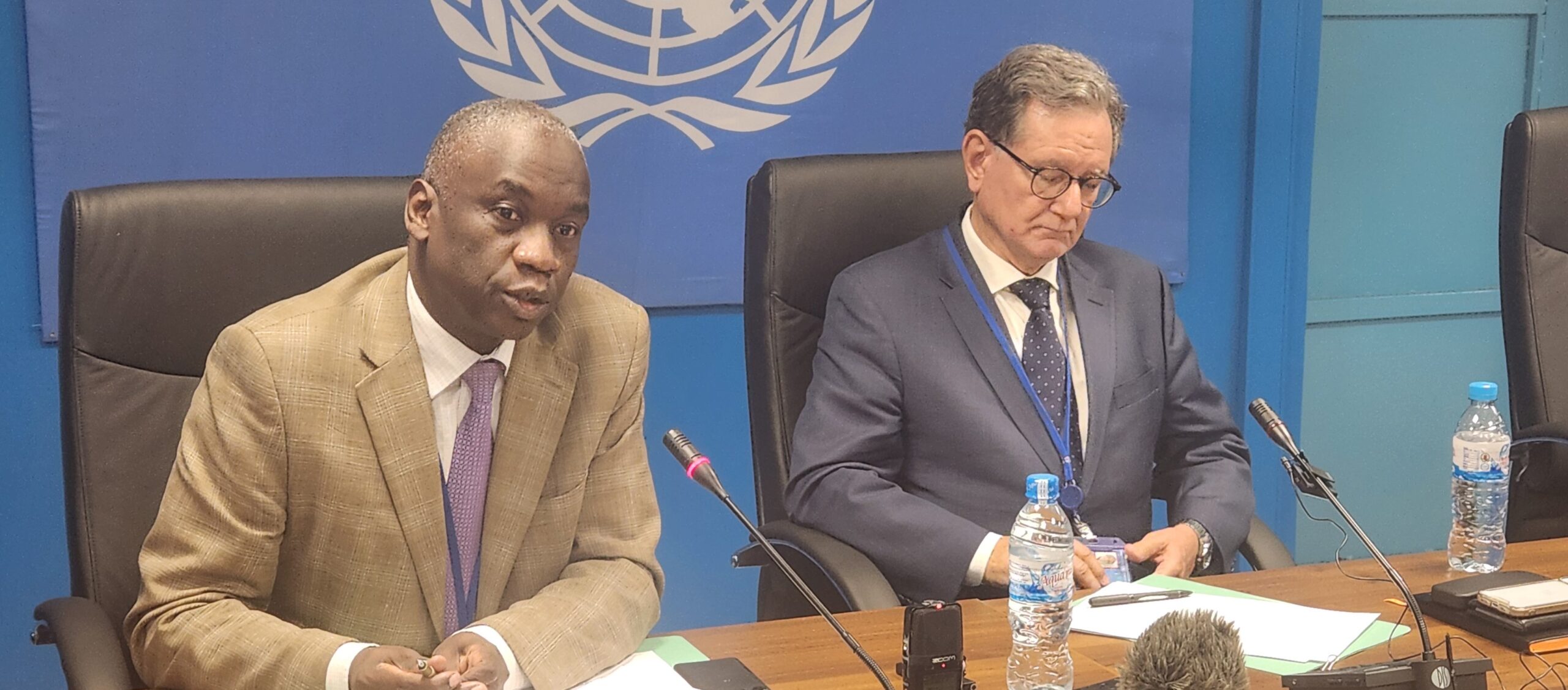
The UN Commission on Human Rights in South Sudan has issued a critical warning regarding the nation's upcoming December elections, cautioning that the polls could exacerbate existing political tensions and trigger armed conflict. This grave assessment stems from the Commission's observation that the country is currently grappling with renewed violence, profound political mistrust, a diminishing civic space, and weakened state institutions. Commissioner Barney Afako, speaking in Juba following the Commission's fourteenth visit to South Sudan, articulated this concern, clarifying that the body's apprehension is not directed at the democratic exercise itself, but rather at the precarious conditions under which it is slated to occur.
Afako underscored that while the Commission fully supports the South Sudanese populace's fundamental right to elect their leaders—a right they have awaited for fifteen years since achieving independence—the prevailing environment presents significant dangers. He explicitly warned that holding elections without robust safeguards and authentic political discourse risks transforming the electoral process into a crucible for political confrontation and armed violence, thereby increasing the potential for atrocity crimes. This UN South Sudan December elections violence warning highlights the urgent need for comprehensive preparatory measures to avert a deepening of the country's political instability.
Essential Safeguards and Dialogue
To mitigate the identified risks, the UN Commission on Human Rights in South Sudan has outlined several indispensable safeguards crucial for ensuring a stable and credible electoral process. These include an unequivocal cessation of hostilities, the establishment of sufficient civic and political space for all participants, the creation of an independent and adequately funded electoral institution, and the implementation of reliable mechanisms for resolving electoral disputes. Furthermore, the Commission stressed the necessity of measures to actively prevent hate speech and incitement to violence, ensuring that the South Sudanese can cast their votes freely and securely through a process designed to foster stability.
Commissioner Afako emphasized that elections, in isolation, cannot resolve South Sudan's complex political crisis. Instead, he urged the government to commit to genuine and inclusive dialogue, not only before and during the polls but also in their aftermath. This critical engagement, he stated, must involve all political adversaries, specifically mentioning the inclusion of the SPLM-IO, led by detained First Vice President Riek Machar. Afako stressed that meaningful dialogue inherently occurs between opposing factions, advocating for political differences to be addressed through discussion rather than military action or solely judicial interventions. He implored leaders to critically assess whether their decisions surrounding the elections are cultivating conditions for stability or inadvertently laying the groundwork for further national division, thereby underscoring the importance of South Sudan electoral safeguards dialogue.
Funding Shortfalls and Logistical Hurdles
The Commission also raised significant concerns about the practical feasibility of the December elections, describing the entire electoral process as "grossly underfunded" and its timetable as "highly ambitious." Commissioner Carlos Castresana highlighted the immense challenge of completing extensive electoral planning and logistical operations within approximately 100 days, noting that the country's electoral institutions possess only a fraction of the necessary resources. A critical component identified for a legitimate election is a credible voters list, which is anticipated to be finalized by October 22.
Castresana cautioned that a poorly managed voter registration process could lead to widespread feelings of exclusion among citizens, thereby generating additional grievances surrounding the elections. Compounding these issues, parts of South Sudan continue to experience violence, raising fears that electoral officials may be unable to access certain contested areas. This situation could prevent residents in these regions from exercising their right to vote, creating a "democratic deficit" and new sources of discontent. The Commission reported receiving no clear explanations regarding strategies to address these challenges, with Castresana stressing the need for deep strategic thinking if up to half of South Sudan's states are affected by violence, to avoid a scenario where some citizens participate while others are disenfranchised. These South Sudan election funding challenges and logistical hurdles contribute significantly to the overall risk of South Sudan elections political instability.
A Decade of Unchanged Human Rights and Future Implications
Against the backdrop of the impending elections, Commissioner Castresana also reflected on the broader human rights landscape in South Sudan, noting that the situation has not fundamentally improved over the decade the Commission has been monitoring the country. Civilians continue to be subjected to violence and killings, underscoring a persistent pattern of impunity that fuels ongoing conflict. This unchanging human rights context adds another layer of complexity to the electoral preparations, suggesting that underlying issues of justice and accountability remain unaddressed.
The UN Commission Human Rights South Sudan has therefore called upon regional and international partners to maintain their support for South Sudan throughout this critical transitional period. The Commission's comprehensive warning serves as a crucial reminder for all stakeholders, including legal and compliance professionals advising clients with interests in the region, to meticulously assess the heightened political and operational risks associated with the December elections. The potential for violence and instability necessitates robust due diligence on human rights compliance, careful monitoring of electoral dispute mechanisms, and strategic advice to mitigate the risks of a potentially flawed or contested electoral process.
Practical Implications
Lawyers and compliance officers advising clients with interests in South Sudan must assess heightened political and operational risks ahead of the December elections, given the UN's warning of potential violence and instability. This necessitates robust due diligence on human rights compliance, monitoring for electoral dispute mechanisms, and advising on strategies to mitigate risks associated with a potentially flawed or contested electoral process.
Source
How does this affect you?
Get an AI analysis of this article grounded in your jurisdictions, practice areas, and any policy documents you've uploaded to Wansom.
Finish Reading the Full Story and the Expert Analysis.
Get the latest legal & regulatory intelligence in South Sudan
Wansom is AI and can make mistakes.