
AMDISS Calls for South Sudan Media Regulatory Fee Review Amid Financial Strain
Summary
- Media organizations in South Sudan warn that high regulatory fees and rising operating costs threaten their survival and independent reporting.
- The Association for Media Development in South Sudan (AMDISS) organized a dialogue to address the financial sustainability of the media sector.
- AMDISS presented a position paper advocating for a review of high broadcasting frequency charges and operational license fees.
- South Sudan's Undersecretary for Information acknowledged the severe challenges faced by media outlets, including financial fragility.
- The Ministry of Information committed to examining regulatory fees and exploring support for local media organizations.
Media Sector Survival Under Threat in South Sudan
A financially fragile press cannot remain genuinely independent.
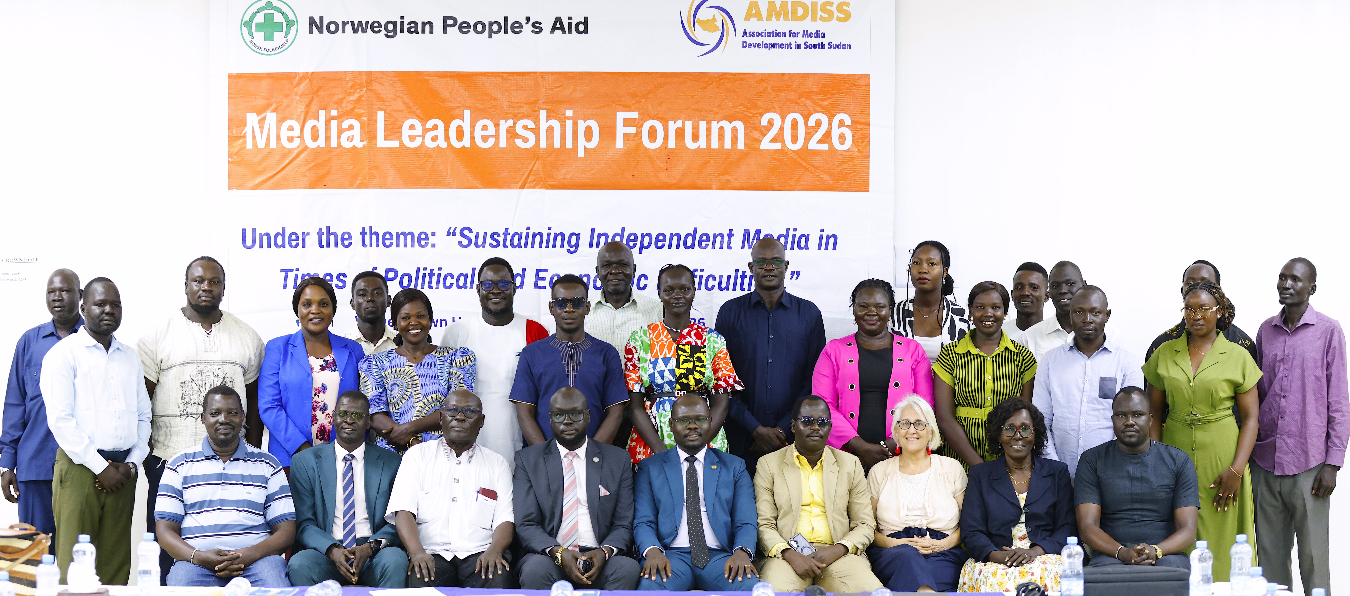
The financial viability of media organizations in South Sudan is severely jeopardized by exorbitant regulatory charges and escalating operational expenses, a situation that critics contend undermines their capacity for independent reporting. This critical warning emerged from a recent multi-stakeholder dialogue held in Juba, the nation's capital. The Association for Media Development in South Sudan (AMDISS), with backing from Norwegian People’s Aid (NPA), convened the Tuesday gathering, which brought together media representatives, government officials, and regulatory bodies. The primary objective was to explore strategies for bolstering the financial sustainability of the country's struggling media landscape.
Ayaa Irene Lokang, Director of AMDISS, emphasized the crucial need for media organizations to be actively involved in the formulation of any regulations that directly impact their operations. While acknowledging the vital role regulatory institutions play in both safeguarding and advancing the media sector, Lokang underscored that direct consultation with media owners is not merely beneficial but essential. She articulated that although media entities are legally obligated to adhere to established regulations, they must also possess a voice in shaping the very rules they are expected to follow, ensuring a balanced and fair regulatory environment.
Advocacy for a South Sudan Media Regulatory Fee Review
Central to the dialogue was the presentation of an AMDISS position paper South Sudan, delivered by AMDISS Board Chairperson Chris Marol. This comprehensive document advocates for a thorough South Sudan media regulatory fee review, specifically targeting the high broadcasting frequency charges and South Sudan media operating license fees currently levied on media houses. The paper's recommendations stem from earlier discussions among media leaders in April, where participants voiced significant concerns over a confluence of financial pressures, including rising operational expenses, a sharp decline in advertising revenue, and limited avenues for generating income from their content.
The AMDISS position paper asserts that the existing high regulatory charges exacerbate the financial strain on media organizations, many of which are already contending with challenging economic conditions to maintain their operations. It calls for enhanced engagement and consultation between regulatory bodies and media houses, alongside a fundamental reassessment of fees to better align with the prevailing financial realities of the sector. Joyce Maker, NPA’s senior partnership officer for media rights, highlighted that the dialogue should foster a deeper understanding of respective responsibilities among stakeholders and facilitate the identification of actionable solutions. She stressed that discussions ought to encompass not only the costs associated with running media organizations but also the delicate balance required between regulatory compliance and the imperative to sustain a vibrant media industry.
Official Recognition and Path Forward
Mawien Bulabek Chol, South Sudan’s Undersecretary for Information, acknowledged the considerable difficulties confronting media outlets across the nation. He cited a range of challenges, including persistent power shortages, elevated operating costs, insufficient advertising revenue, and a reduction in donor funding. Chol noted that both community radio stations and national media organizations are struggling significantly to maintain their day-to-day operations. He powerfully stated, "A financially fragile press cannot remain genuinely independent," underscoring the critical link between economic stability and journalistic autonomy.
In response to these challenges, the Undersecretary encouraged media owners to proactively investigate new business models, forge public-private partnerships, and explore alternative income streams to lessen their reliance on conventional funding mechanisms. He further affirmed that the Ministry of Information media regulations SS would continue its collaborative efforts with national partners to scrutinize existing regulatory fees and explore potential support initiatives for local media organizations. The dialogue concluded with a collective call for strengthened cooperation between media entities and regulators, aiming to cultivate an improved operating environment while simultaneously ensuring that media houses uphold all existing legal requirements. Participants collectively agreed that a more sustainable media sector is indispensable for upholding independent journalism and guaranteeing the public's continued access to reliable news and information, highlighting the broader societal impact of media financial sustainability South Sudan.
Practical Implications
Lawyers advising media clients in South Sudan should monitor the ongoing dialogue between AMDISS and the Ministry of Information regarding the review of high regulatory and operational license fees, as potential changes could impact compliance costs and financial viability for their clients. Compliance officers in media organizations should track these discussions for potential adjustments to their fee obligations.
Source
How does this affect you?
Get an AI analysis of this article grounded in your jurisdictions, practice areas, and any policy documents you've uploaded to Wansom.
Finish Reading the Full Story and the Expert Analysis.
Get the latest legal & regulatory intelligence in South Sudan
Wansom is AI and can make mistakes.