
South Sudan High Court: UJOSS Elections Injunction Halts Polls
Summary
- The Union of Journalists of South Sudan (UJOSS) elections, initially set for September 16, have been halted by a High Court injunction.
- Members of the UJOSS General Assembly filed an appeal and administrative review with the High Court of Central Equatoria State in Juba.
- Complaints include an improperly constituted election committee and disputes over the union's constitution.
- UJOSS President Oyet Patrick confirmed the legal challenge and stated the union will not extend terms, aiming for credible elections after the court's decision.
- UJOSS responded to the court on October 7 and awaits further comment on October 22.
What Happened
Oyet expressed a strong desire for the situation to be resolved swiftly, affirming the union's readiness to proceed with elections as soon as the court renders its decision.
The Union of Journalists of South Sudan (UJOSS) has seen its planned elections indefinitely postponed following a judicial injunction issued by the High Court of Central Equatoria State in Juba. This legal intervention, which occurred in mid-September, effectively halted all preparatory activities and arrangements for the polls, originally scheduled to commence on September 16. The decision by the court stemmed from an appeal and request for administrative review lodged by members of the Union’s General Assembly.
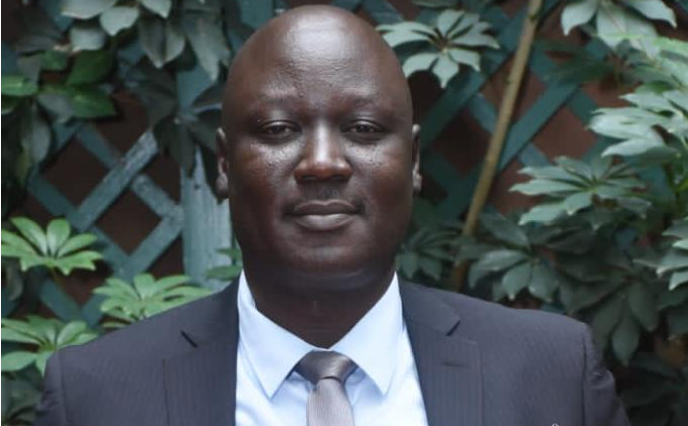
These challenging members specifically targeted both the UJOSS National Committee and its Election Committee through their legal action. Oyet Patrick, the President of UJOSS, confirmed that certain members had indeed sought and obtained this court order to suspend the electoral process. He indicated that the elections would only proceed once the administrative review is concluded and the High Court lifts the existing injunction.
Legal Context
The core of the legal dispute centers on several grievances articulated by the General Assembly members, as relayed by UJOSS President Oyet Patrick. A primary concern raised is that the election committee responsible for overseeing the process was not properly constituted, suggesting a procedural flaw in its formation. Furthermore, the members have alleged inconsistencies regarding the foundational document of the union, claiming the existence of "two or even three" constitutions and asserting that the version currently in use is not the legitimate one.
These complaints form the basis of the administrative review that the Central Equatoria State High Court in Juba is currently undertaking. UJOSS submitted its formal response to the court on October 7, addressing the various points of contention. The union is now awaiting the court's further comments, with the next hearing scheduled for October 22, at which point further clarity on the path forward for the UJOSS elections injunction South Sudan is anticipated.
Why It Matters
In the wake of the High Court Juba injunction, UJOSS President Oyet Patrick has emphasized the importance of upholding democratic principles and ensuring a fair electoral process. He firmly stated that the current executive has no intention of extending its tenure, underscoring a commitment to avoiding the "irony" of journalists, who typically critique societal ills, being embroiled in internal power struggles or term extensions. Oyet expressed a strong desire for the situation to be resolved swiftly, affirming the union's readiness to proceed with elections as soon as the court renders its decision.
Despite the delays, Oyet Patrick urged all members of the South Sudan Journalists Union and the broader journalistic community to maintain unity. He acknowledged that legal challenges, while sometimes causing delays, are an inherent part of a democratic system, viewing the court as a legitimate institution for justice. He conveyed a belief that justice will ultimately prevail and that the union would learn from these challenges, ultimately emerging stronger from the experience.
Practical Implications
Lawyers advising professional bodies or associations in South Sudan should note this case as a precedent for judicial intervention in internal election processes. It underscores the importance of meticulously adhering to constitutional provisions and ensuring proper formation of election committees to prevent injunctions and delays stemming from member challenges.
Source
How does this affect you?
Get an AI analysis of this article grounded in your jurisdictions, practice areas, and any policy documents you've uploaded to Wansom.
Finish Reading the Full Story and the Expert Analysis.
Get the latest legal & regulatory intelligence in South Sudan
Wansom is AI and can make mistakes.