
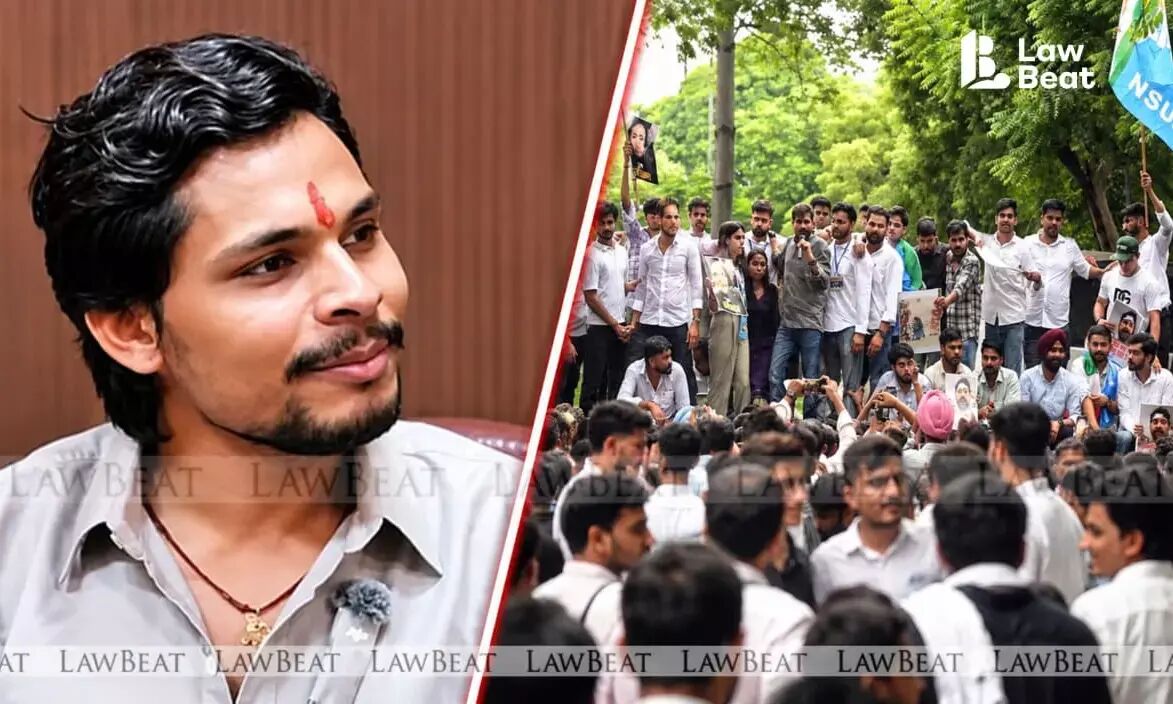
Patiala House Court: Swatantra Bhardwaj Gets Jantar Mantar Regular Bail
Summary
- Swatantra Bhardwaj received regular bail from Delhi's Patiala House Court on October 6, 2026.
- This decision followed three weeks of interim relief in an alleged assault case at Jantar Mantar.
- The incident involved the father of a minor protester during a public demonstration.
- The First Information Report includes charges under both the Bharatiya Nyaya Sanhita (BNS) and the SC/ST Act.
- The transition from interim protection to regular bail highlights judicial discretion in high-profile cases.
What Happened
This case, involving Swatantra Bhardwaj and the Jantar Mantar assault, offers valuable insights into the judicial handling of incidents arising from public demonstrations, especially when serious charges like those under the BNS and SC/ST Act are involved.
On October 6, 2026, Swatantra Bhardwaj was granted regular bail by the Patiala House Court in Delhi. This decision followed a period of three weeks during which Bhardwaj had been under interim relief in connection with an alleged assault. The case stems from an incident that occurred at Jantar Mantar, a prominent site for public demonstrations in the capital.
The specific allegations against Bhardwaj involve an assault on the father of a minor who was participating in a protest at Jantar Mantar. This incident led to the registration of a First Information Report (FIR) that includes serious charges under both the Bharatiya Nyaya Sanhita (BNS) and the Scheduled Castes and Scheduled Tribes (Prevention of Atrocities) Act. The granting of regular bail signifies a significant development in this ongoing legal matter, transitioning from a temporary protective measure to a more permanent form of release pending trial.
Legal Context
The inclusion of provisions from the Bharatiya Nyaya Sanhita (BNS) in the FIR against Swatantra Bhardwaj highlights the application of new criminal justice legislation in this case. The BNS, which replaced the Indian Penal Code, outlines various offenses, including assault, and its invocation indicates the gravity with which the alleged actions are being treated by the authorities. Furthermore, the charges under the Scheduled Castes and Scheduled Tribes (Prevention of Atrocities) Act underscore the potential for caste-based discrimination or violence in the alleged incident, adding another layer of legal complexity and societal sensitivity to the proceedings.
The progression from interim relief to regular bail is a standard, yet crucial, procedural step in the Indian legal system. Interim relief, often granted for a short duration, provides temporary protection from arrest or detention while the court considers the full merits of a bail application. The subsequent grant of regular bail, as seen in the Patiala House Court bail order for Swatantra Bhardwaj, typically occurs after a more thorough examination of the evidence, the nature of the charges, and the potential flight risk or interference with the investigation. This transition in the Jantar Mantar assault case bail proceedings demonstrates the court's assessment of these factors.
Why It Matters
This case, involving Swatantra Bhardwaj and the Jantar Mantar assault, offers valuable insights into the judicial handling of incidents arising from public demonstrations, especially when serious charges like those under the BNS and SC/ST Act are involved. The court's decision to grant regular bail, following a period of interim relief, provides a practical example of how courts balance individual liberty with the need for justice in high-profile cases. Legal practitioners can observe the court's approach to evaluating bail applications where new legislation and sensitive social issues intersect.
The specific details of the alleged assault on the father of a minor protester at Jantar Mantar, coupled with the application of the BNS SC/ST Act bail provisions, make this a noteworthy case for understanding the evolving landscape of criminal law in India. The Patiala House Court's ruling on Swatantra Bhardwaj's regular bail, after the initial interim relief, underscores the procedural nuances and judicial discretion involved in such matters, particularly in cases that attract public attention due to their connection with fundamental rights like freedom of assembly and protest.
Practical Implications
Lawyers should note the transition from interim to regular bail in this high-profile case, particularly the application of the Bharatiya Nyaya Sanhita (BNS) and SC/ST Act provisions, as it provides insight into judicial discretion and procedural aspects in assault cases involving public demonstrations.
Source
How does this affect you?
Get an AI analysis of this article grounded in your jurisdictions, practice areas, and any policy documents you've uploaded to Wansom.
Finish Reading the Full Story and the Expert Analysis.
Get the latest legal & regulatory intelligence in India
Wansom is AI and can make mistakes.