
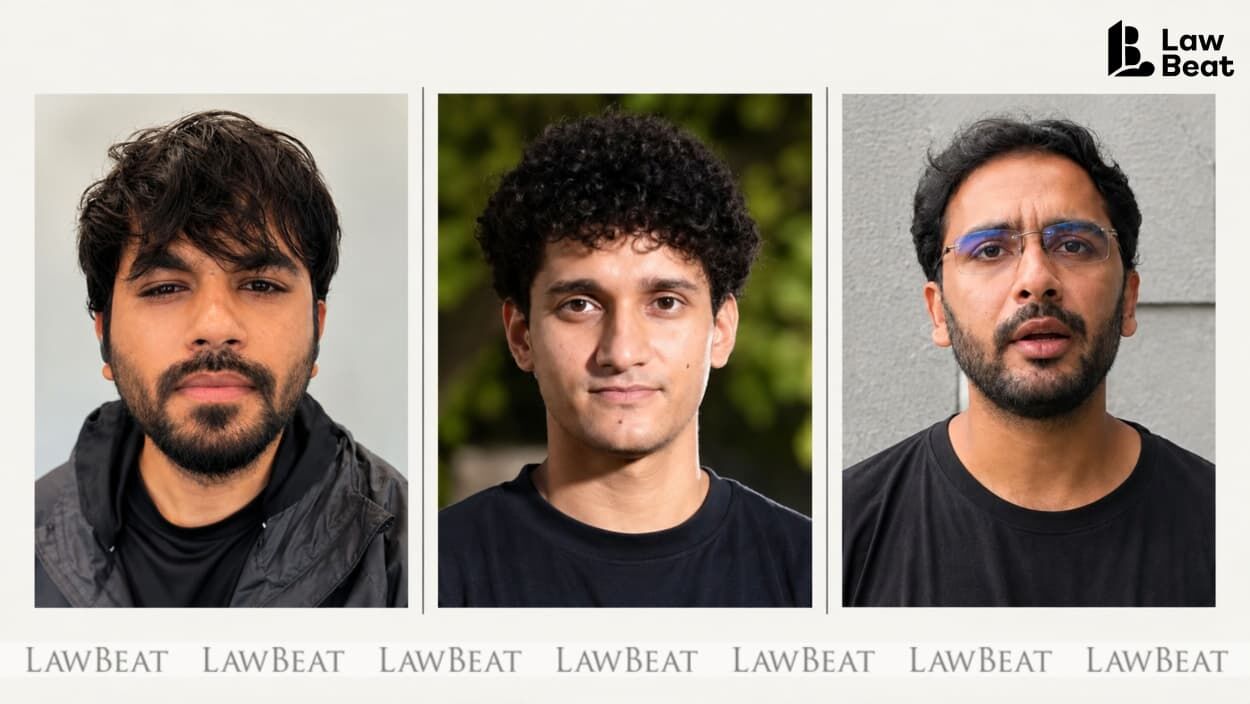
Delhi Executive Magistrate: CJP Leaders Released After BNSS 126 170 Preventive Detention
Summary
- Leaders of the Cockroach Janta Party, Abhijeet Dipke, Ashutosh Ranka, and Saurav Das, along with YouTuber Dhruv Rathee, were released after signing peace bonds for one year.
- Their release followed preventive arrests by Delhi Police under BNSS Sections 126 and 170, ahead of a planned protest against Chief Election Commissioner Gyanesh Kumar.
- The CJP leaders each furnished ₹50,000 surety bonds before an Executive Magistrate, committing to maintain peace and good behavior.
- The Supreme Court is currently reviewing petitions challenging the Delhi Police's preventive detentions of various individuals and alleged public transport suspensions related to protests.
- A Delhi court dismissed a plea by CJP's legal affairs head, Ratna Singh, seeking an FIR against police personnel for alleged illegal detention.
What Happened
The Supreme Court is currently holding a special sitting to deliberate on a petition that challenges the Delhi Police's widespread use of preventive detention against various individuals.
Leaders of the Cockroach Janta Party (CJP), Abhijeet Dipke, Ashutosh Ranka, and Saurav Das, were released today by the Special Executive Magistrate (SEM) Court in Delhi Cantt. Their release followed the furnishing of surety bonds, each valued at ₹50,000, committing them to maintain peace and good behavior for a period of one year. This action by the Executive Magistrate was part of a broader preventive measure taken by the Delhi Police.
The CJP leaders had been preventively arrested by the Delhi Police on October 10, 2026, immediately upon their arrival in Delhi by flight. These arrests were made under the provisions of Sections 126 and 170 of the Bharatiya Nagarik Suraksha Sanhita (BNSS), 2023. The detentions were initiated in anticipation of a planned protest against Chief Election Commissioner Gyanesh Kumar.
Following their arrest, the police completed the necessary legal procedures before producing the three individuals before the SEM Court today. The court subsequently ordered their release after they formally executed the required bonds, ensuring their commitment to uphold peace and good conduct for the upcoming year. In a separate but related development, YouTuber Dhruv Rathee also signed a similar bond before an Executive Magistrate, undertaking to refrain from any activities that could lead to a breach of peace for one year.
Legal Framework for Preventive Action
The actions taken by the Delhi Police and the Executive Magistrate are rooted in specific provisions of the Bharatiya Nagarik Suraksha Sanhita (BNSS). BNSS Section 126 grants an Executive Magistrate the authority to compel an individual, who is deemed likely to cause a breach of peace or disrupt public tranquility, to demonstrate why they should not be required to execute a bond for maintaining peace. Such a bond can be mandated for a duration of up to one year.
Complementing this, BNSS Section 170 empowers a police officer to effect an arrest without a warrant. This power is specifically for preventing the commission of a cognizable offense, provided that all statutory conditions are met. Any detention under this particular provision is strictly subject to the limits prescribed by law. The proceedings against the CJP leaders were explicitly preventive, focusing on the imperative to preserve peace and ensure good behavior, culminating in their release upon the execution of these bonds before the SEM Court. This highlights the application of BNSS Section 126 170 preventive detention Delhi in managing potential public order issues.
Broader Legal Challenges and Scrutiny
These preventive detentions and bond requirements are unfolding amidst significant legal scrutiny at the highest judicial level. The Supreme Court is currently holding a special sitting to deliberate on a petition that challenges the Delhi Police's widespread use of preventive detention against various individuals. This includes political leaders, former Chief Ministers, students, journalists, lawyers, and other protesters. The petition contends that these detentions infringe upon the rule of law and actively undermine the fundamental right to democratic dissent.
Further demonstrating the breadth of judicial concern, the Supreme Court is also slated to hear a contempt petition. This particular plea addresses allegations concerning the blanket suspension of public transport, including railway and Metro services, which was reportedly implemented to prevent protesters from reaching the national capital. These cases collectively underscore the ongoing legal debate surrounding the balance between maintaining public order and safeguarding civil liberties.
In a related incident, a Delhi court recently dismissed a plea filed by Ratna Singh, who heads the legal affairs for the CJP. Singh had sought the registration of a First Information Report (FIR) against police personnel, alleging illegal detention and wrongful confinement. She claimed she was prevented from joining the proposed CJP protest at Jantar Mantar against Chief Election Commissioner Gyanesh Kumar, a protest for which the Delhi Police had previously denied permission. This dismissal further illustrates the legal complexities faced by activists and organizations in the current environment.
Practical Implications
Lawyers and compliance officers should note the practical application of the new Bharatiya Nagarik Suraksha Sanhita (BNSS) Sections 126 and 170 by Delhi Police for preventive detention related to public protests. This case highlights the use of peace bonds by Executive Magistrates to manage potential breaches of peace, and the ongoing legal challenges to such preventive actions, including Supreme Court consideration of related detention petitions. Counsel advising clients involved in activism or public gatherings must be aware of these provisions and their implications for fundamental rights.
Source
How does this affect you?
Get an AI analysis of this article grounded in your jurisdictions, practice areas, and any policy documents you've uploaded to Wansom.
Finish Reading the Full Story and the Expert Analysis.
Get the latest legal & regulatory intelligence in India
Wansom is AI and can make mistakes.