
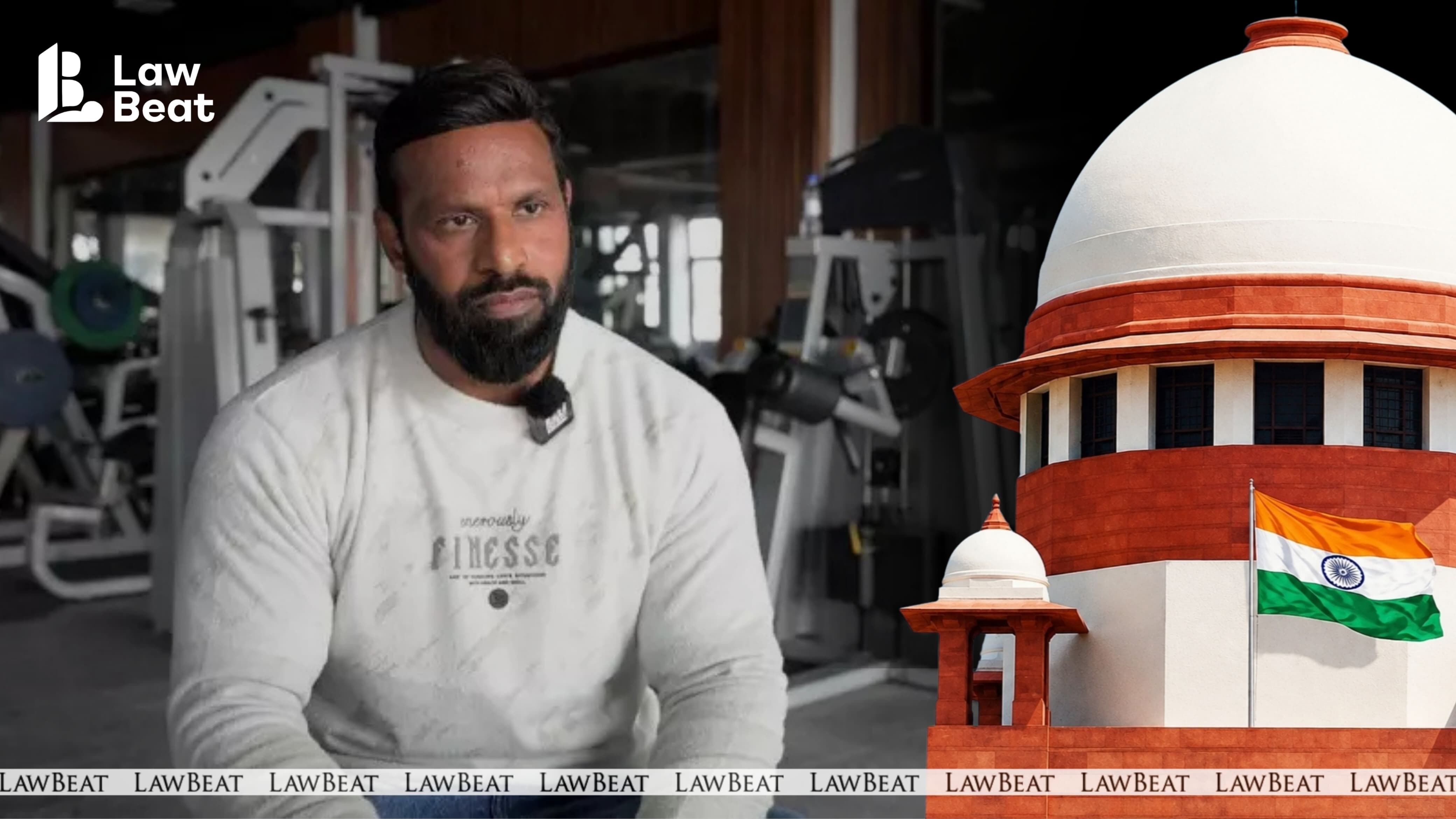
Supreme Court: Stays FIR Deepak Kumar Kotdwar, Lifts Social Media Gag
Summary
- The Supreme Court stayed an FIR against gym operator Deepak Kumar stemming from a Kotdwar shop dispute involving Bajrang Dal members.
- The Court also lifted a social media gag order imposed by the Uttarakhand High Court, which had restricted Kumar from posting about the incident.
- Deepak Kumar intervened when Bajrang Dal members objected to a Muslim shopkeeper's use of "Baba" in his shop name, leading to his involvement.
- Senior Advocate Abhishek Manu Singhvi argued Kumar was a "good Samaritan" and that Arnesh Kumar guidelines applied due to the nature of the charges.
- The Supreme Court issued notice to the Uttarakhand government and scheduled the matter to be heard again in four weeks.
What Happened in Kotdwar
By staying both the FIR and the broad social media gag order, the Court has underscored the importance of free speech and due process, especially in cases where charges may not warrant immediate arrest or severe restrictions.
The Supreme Court recently intervened in a contentious case originating from Kotdwar, Uttarakhand, by staying the criminal proceedings against local gym operator Deepak Kumar. This action also included the suspension of an Uttarakhand High Court order that had broadly restricted Kumar from posting about the incident on social media. The controversy began when members of the Bajrang Dal allegedly confronted Muslim shopkeeper Vakil Ahmed over his use of the word "Baba" in his shop's name.
Deepak Kumar became embroiled in the dispute after he intervened to assist Ahmed during this confrontation. A video of the incident subsequently went viral, showing Kumar responding "My name is Mohammad Deepak" when questioned about his identity by the group. Following his intervention, an First Information Report (FIR) was registered against Kumar, while complaints he reportedly filed concerning the incident did not receive similar official attention.
Legal Challenge and Supreme Court Intervention
Senior Advocate Abhishek Manu Singhvi, representing Deepak Kumar before the Supreme Court, argued forcefully against the charges, characterizing his client as a "good Samaritan" who was unfairly targeted. Singhvi highlighted that an initial charge of rioting under Section 191 of the Bharatiya Nyaya Sanhita (BNS) had been invoked against Kumar but was later dropped, reportedly due to a lack of essential ingredients for the offense. He further contended that the remaining charges against Kumar carried a maximum punishment of less than seven years, thereby mandating the application of safeguards established by the Supreme Court in the Arnesh Kumar judgment regarding arrest and investigation procedures.
A significant aspect of the appeal concerned the Uttarakhand High Court's directive that prohibited all parties from commenting on the incident on social media. Singhvi criticized this as a "blanket gag order," asserting that it unconstitutionally prevented Kumar from sharing messages or videos related to the events. The bench, comprising Justices Vikram Nath and Sandeep Mehta, not only stayed the FIR proceedings but also halted the operation of the High Court's restrictive social media order. The Supreme Court has since issued notice to the Uttarakhand government and other respondents, making the matter returnable in four weeks for further consideration.
Broader Context and Significance
The Kotdwar incident led to the registration of multiple cases, including an FIR against 30 to 40 unidentified individuals for alleged offenses such as disturbing public peace, obstructing government officials, and manhandling police personnel. Deepak Kumar had previously approached the Uttarakhand High Court seeking to quash the FIR against him, along with requests for police protection for himself and his family, and departmental action against police officers he accused of partisan conduct. The High Court had rejected his pleas for protection and departmental action, while simultaneously imposing the social media restriction to prevent the "provocation of public sentiment."
This Supreme Court ruling carries significant weight, particularly for individuals who intervene in public disputes and find themselves facing legal repercussions. By staying both the FIR and the broad social media gag order, the Court has underscored the importance of free speech and due process, especially in cases where charges may not warrant immediate arrest or severe restrictions. The emphasis on Arnesh Kumar guidelines reinforces protections against arbitrary criminal proceedings for less severe offenses, providing a crucial precedent for challenging potentially unwarranted FIRs and overly restrictive judicial directives.
Practical Implications
This ruling provides a significant precedent for challenging FIRs, particularly those against individuals deemed 'good Samaritans,' and for contesting broad social media gag orders issued by lower courts. Lawyers should note the Supreme Court's emphasis on free speech and the application of Arnesh Kumar safeguards in cases involving less severe offenses, which can be cited when defending clients against potentially unwarranted criminal proceedings or restrictive injunctions.
Source
Source: Original reporting via {source}
How does this affect you?
Get an AI analysis of this article grounded in your jurisdictions, practice areas, and any policy documents you've uploaded to Wansom.
Finish Reading the Full Story and the Expert Analysis.
Wansom is AI and can make mistakes.