
Supreme Court: Dismisses Padmesh Mishra AAG Plea Challenging Appointment
Summary
- The Supreme Court dismissed a plea challenging Padmesh Mishra's appointment as Rajasthan's Additional Advocate General.
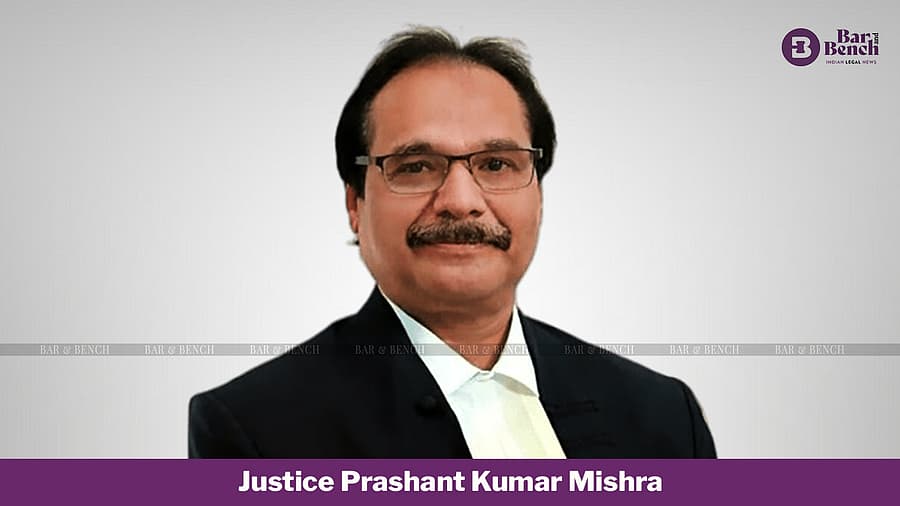
- Padmesh Mishra, son of Supreme Court Justice Prashant Kumar Mishra, was appointed AAG despite having less experience than typically required for the role.
- The Rajasthan government amended its 2018 litigation policy on August 23, 2024, allowing appointments based on expertise regardless of other eligibility conditions.
- The petitioner argued the policy amendment was specifically designed to benefit Mishra, citing the rapid sequence of events and his comparatively limited legal experience.
- Other AAGs appointed by Rajasthan held an average of over 25 years of practice, with the least experienced having 13 years.
Supreme Court Upholds Rajasthan AAG Appointment
The Supreme Court's dismissal of the plea marks a significant development in the ongoing debate over government appointments and the flexibility of administrative policies, particularly concerning legal positions within state governments.
India's Supreme Court recently dismissed a petition that challenged the appointment of Padmesh Mishra as an Additional Advocate General (AAG) for the state of Rajasthan. The decision, handed down by a bench comprising Justices Aravind Kumar and Vipul M Pancholi, effectively upheld a prior ruling by the Rajasthan High Court which had affirmed Mishra's appointment. The plea had sought to overturn the High Court's order, bringing the contentious matter of the AAG's eligibility criteria and the timing of a policy amendment before the apex court.
Padmesh Mishra, who is the son of sitting Supreme Court Justice Prashant Kumar Mishra, found his appointment under scrutiny due to the perceived rapid sequence of events surrounding his qualification and the state's policy adjustments. The Supreme Court's dismissal of the plea marks a significant development in the ongoing debate over government appointments and the flexibility of administrative policies, particularly concerning legal positions within state governments.
Controversial Path to AAG Role
The controversy surrounding Padmesh Mishra's Rajasthan AAG appointment stems from a series of events that unfolded in August 2024. Mishra was initially enrolled as an advocate in August 2019. On August 20, 2024, he was appointed as a panel lawyer before the Supreme Court, a position that typically required a minimum of five years of legal practice. Just three days later, on August 23, 2024, the Rajasthan government enacted a significant amendment to its 2018 litigation policy.
This amendment introduced a new clause granting the 'authority of the appropriate level' the power to appoint 'any counsel to any post,' based on their expertise, irrespective of other existing eligibility conditions outlined in the policy. Crucially, on that very same day, August 23, 2024, Mishra's appointment as a panel lawyer was withdrawn, and he was simultaneously appointed as an AAG before the Supreme Court. This AAG position, under the unamended policy, typically mandated a minimum of ten years of legal practice, a requirement Mishra did not meet at the time of his appointment.
Petitioner's Challenge and Discrepancies
The petitioner argued that the swift succession of these events, all culminating on August 23, 2024, strongly suggested that the policy amendment was specifically introduced to facilitate Padmesh Mishra's appointment. This challenge to Justice PK Mishra's son's AAG appointment highlighted the stark contrast between Mishra's experience and that of his peers.
The plea pointed out that the other 20 Additional Advocate Generals appointed by the Rajasthan government possessed an average of over 25 years of legal practice. Even the least experienced among these other AAGs had accumulated 13 years of practice, significantly more than Mishra's tenure as an advocate. This disparity formed a central plank of the argument that the Supreme Court AAG eligibility criteria had been circumvented through a targeted policy change.
Implications for Administrative Appointments
The Supreme Court's decision to dismiss the plea carries significant implications for administrative law in India, particularly regarding government appointments and the amendment of state policies. By upholding the Rajasthan High Court's order, the apex court has, in effect, affirmed the state government's prerogative to modify its litigation policy and appoint counsel based on criteria it deems appropriate, even if those criteria deviate from standard practice.
This ruling could be seen as reinforcing judicial deference to executive decisions concerning the eligibility and appointment of legal officers. It underscores the challenges faced by those seeking to contest such appointments, especially when policy amendments are enacted to accommodate specific candidates. The outcome provides further clarity on the scope of government discretion in administrative law India appointments, potentially influencing future public interest litigations or challenges against similar governmental actions.
Practical Implications
This ruling sets a precedent regarding the Supreme Court's stance on challenges to state government appointments and policy amendments, particularly concerning eligibility criteria for legal positions. Lawyers should note the judicial deference shown to the executive's power to modify policies and appoint counsel, which may impact future public interest litigations or administrative law challenges against similar government actions.
Source
How does this affect you?
Get an AI analysis of this article grounded in your jurisdictions, practice areas, and any policy documents you've uploaded to Wansom.
Finish Reading the Full Story and the Expert Analysis.
Wansom is AI and can make mistakes.