
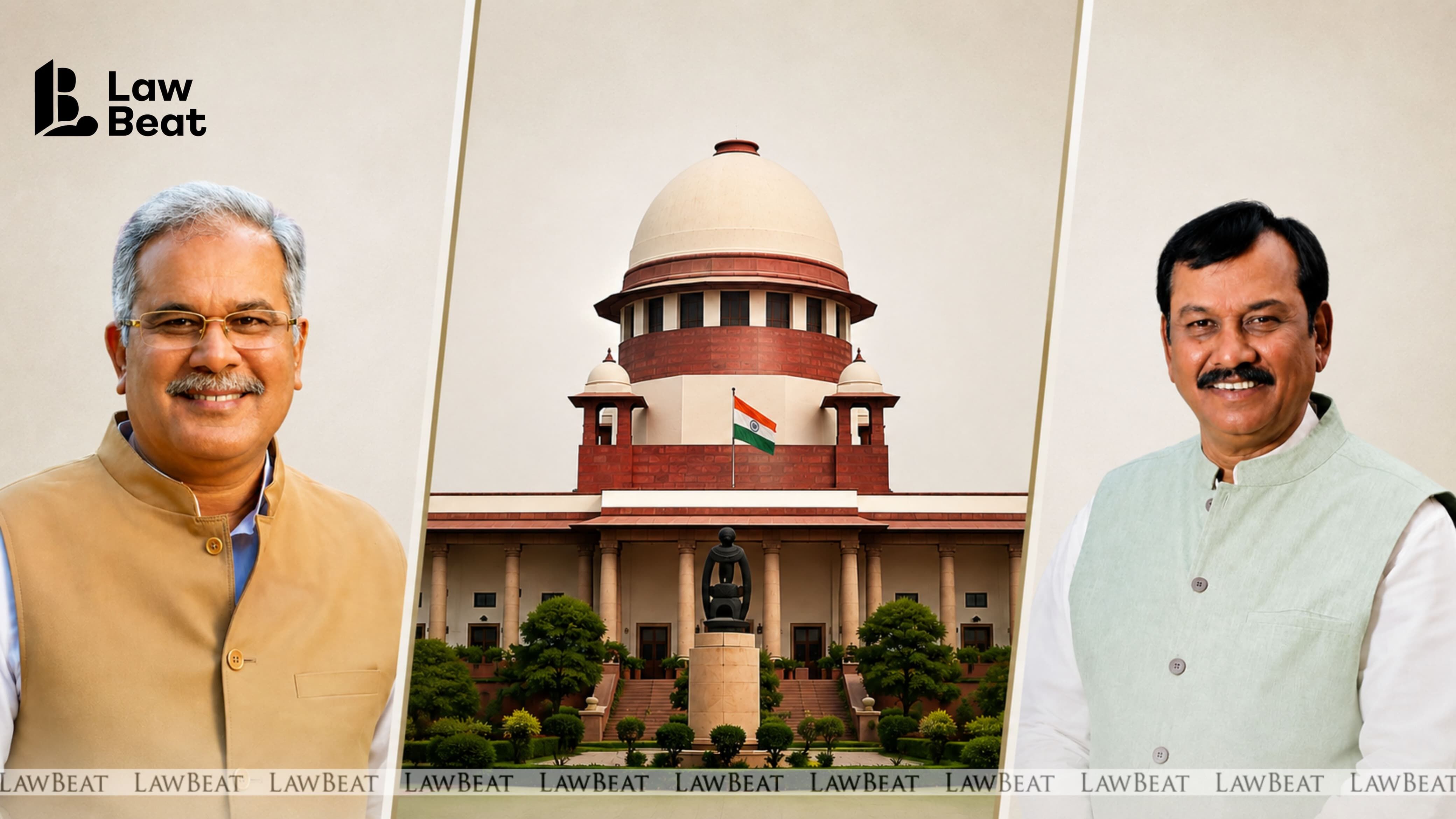
Supreme Court Refuses to Quash Election Petition Against Bhupesh Baghel
Summary
- The Supreme Court has refused to quash an election petition against former Chhattisgarh Chief Minister Bhupesh Baghel.
- The case will proceed to trial, where Baghel will have to defend himself against allegations of electoral offences under Section 126 of the Representation of the People Act.
- Baghel's lawyers argued that attending a religious function on November 16 did not constitute a corrupt practice under Section 123 of the RP Act.
- The Supreme Court has clarified that Baghel will be free to raise all his legal and factual objections before the High Court's election tribunal during the trial.
What Happened
The Supreme Court has clarified that Baghel will be free to raise all his legal and factual objections before the High Court's election tribunal during the trial.
The Supreme Court has refused to quash an election petition against former Chhattisgarh Chief Minister Bhupesh Baghel, allowing the case to proceed to trial. The court's decision means that Baghel will have to defend himself against allegations of electoral offences under Section 126 of the Representation of the People Act. The petition was initially dismissed by the Chhattisgarh High Court on June 15, but the Supreme Court has allowed it to move forward, citing an arguable defence for Baghel.
The election petition alleges that Baghel attended a religious function on November 16, 2023, which was seen as an unlawful roadshow violating the silence period before the polls. The petitioner claimed that this act could have materially affected the election result, but Baghel's lawyers argued that it did not and that Section 126 is only an electoral offence, not a corrupt practice under the statute.
The Supreme Court has clarified that Baghel will be free to raise all his legal and factual objections before the High Court's election tribunal during the trial. This means that lawyers advising clients in Chhattisgarh should be aware of the implications of this decision and prepare their clients for a potential trial.
Legal Context
The Representation of the People Act, 1951 (RP Act) is at the centre of the dispute. Section 126 prohibits election campaigning during the 48-hour silence period before polls, while Section 123 defines corrupt practices that can lead to disqualification from elections. Baghel's lawyers argued that attending a religious function on November 16 did not constitute a corrupt practice under Section 123.
The Chhattisgarh High Court had initially dismissed the election petition on June 15, but the Supreme Court has allowed it to proceed, citing an arguable defence for Baghel. This decision means that the case will now move forward to trial, where Baghel will have to defend himself against allegations of electoral offences.
The Supreme Court's refusal to quash the election petition is significant because it sets a precedent for how such cases are handled in future elections. It also highlights the importance of complying with statutory requirements under the RP Act.
Why It Matters
The implications of this decision are far-reaching for lawyers advising clients in Chhattisgarh. The Supreme Court's refusal to quash the election petition means that cases like this will continue to be a reality in future elections. Lawyers must now prepare their clients for the possibility of defending against allegations of electoral offences under Section 126.
This decision also underscores the importance of complying with statutory requirements under the RP Act. Election candidates and parties must ensure that they do not engage in any activities that could be seen as violating these provisions, lest they face similar consequences in future.
The Supreme Court's decision is a reminder that electoral laws are in place to maintain the integrity of the democratic process. It is up to lawyers, election officials, and candidates to work together to ensure that these laws are respected and enforced.
Practical Implications
Lawyers advising clients in Chhattisgarh should be aware that the Supreme Court's refusal to quash the election petition against Bhupesh Baghel means that the case will proceed to trial, and their clients may need to defend against allegations of electoral offences under Section 126 of the Representation of the People Act.
Source
Source: Original reporting via [Source]
How does this affect your business?
Get an AI analysis of this article grounded in your jurisdictions, practice areas, and any policy documents you've uploaded to Wansom.
Wansom is AI and can make mistakes.