
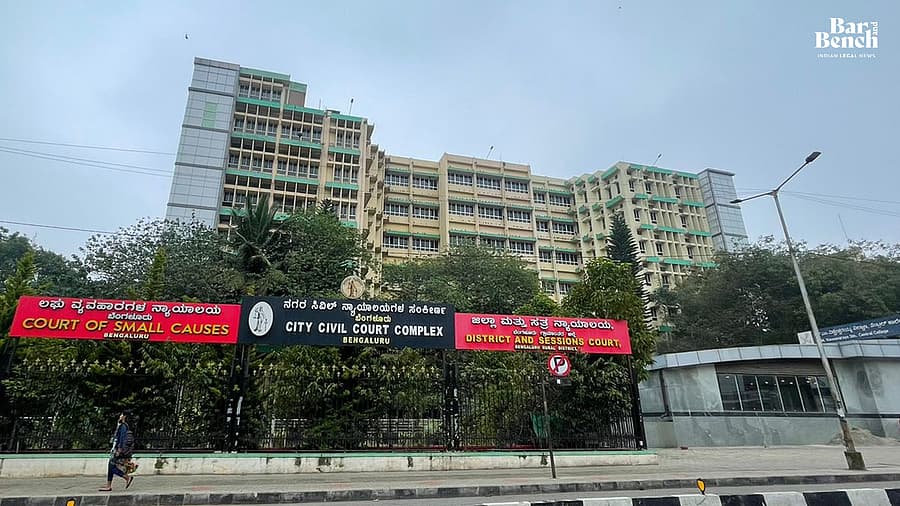
Bengaluru Sessions Court: Darshan Aides Seek Pardon IN Renukaswamy Murder Case
Summary
- Two associates of Kannada actor Darshan have filed applications seeking pardon in the Renukaswamy murder case.
- The accused individuals have stated their willingness to become approvers and provide testimony against their co-accused.
- The Bengaluru sessions court has reserved its orders on the applicants' right of audience, with a decision scheduled for August 10, 2026.
What Happened
Notably, Pradosh has claimed that he repeatedly tried to stop Darshan and others accused in the Renukaswamy murder case.
In a surprising turn of events, two key associates of Kannada actor Darshan have filed applications seeking pardon in the Renukaswamy murder case. Vinay V and Pradosh S Rao @ Pradosh, both accused individuals, have moved the Bengaluru sessions court to allow them to become approvers and provide testimony against their co-accused. This development has significant implications for the ongoing trial, particularly given the high-profile nature of the case.
The applications were filed on August 5 before Judge Sujata Madivalappa Sambrani's court, with a reserved order scheduled for August 10, 2026. The accused individuals have stated their willingness to make a full and true disclosure of all facts within their knowledge concerning the offence and the role of every person involved.
Notably, Pradosh has claimed that he repeatedly tried to stop Darshan and others accused in the Renukaswamy murder case. This assertion is particularly intriguing given the circumstances surrounding the victim's death.
Legal Context
The concept of approvers and their role in criminal trials is a crucial aspect of Indian law. In essence, an approver is an accused individual who turns witness for the prosecution, providing testimony against their co-accused in exchange for pardon or immunity from punishment. This arrangement can be a double-edged sword, as it allows the prosecution to strengthen its case while also raising questions about the reliability and credibility of the approver's testimony.
In the context of high-profile cases like the Renukaswamy murder, the involvement of accused individuals as approvers can have significant implications for the trial. Lawyers should be vigilant in monitoring this development, particularly given the potential for manipulation or coercion.
The Bengaluru sessions court has been at the forefront of this case, with Judge Sujata Madivalappa Sambrani presiding over the proceedings. The court's handling of these applications will be closely watched by legal experts and observers alike.
Why It Matters
The Renukaswamy murder case has been a subject of intense public interest, with Darshan's alleged involvement sparking widespread outrage. The recent developments, including the accused individuals' applications to become approvers, have added a new layer of complexity to the trial.
From a legal perspective, this case highlights the need for careful consideration and scrutiny in cases involving accused individuals as approvers. Lawyers should be aware of the potential implications and take necessary steps to ensure that justice is served.
Ultimately, the outcome of these applications will have far-reaching consequences for the trial, the accused individuals involved, and the broader legal community.
Practical Implications
Lawyers should watch for the potential implications of accused individuals turning approvers and providing testimony against their co-accused, particularly in high-profile cases like the Renukaswamy murder.
Source
Source: Original reporting via {Source}
How does this affect your business?
Get an AI analysis of this article grounded in your jurisdictions, practice areas, and any policy documents you've uploaded to Wansom.
Wansom is AI and can make mistakes.