
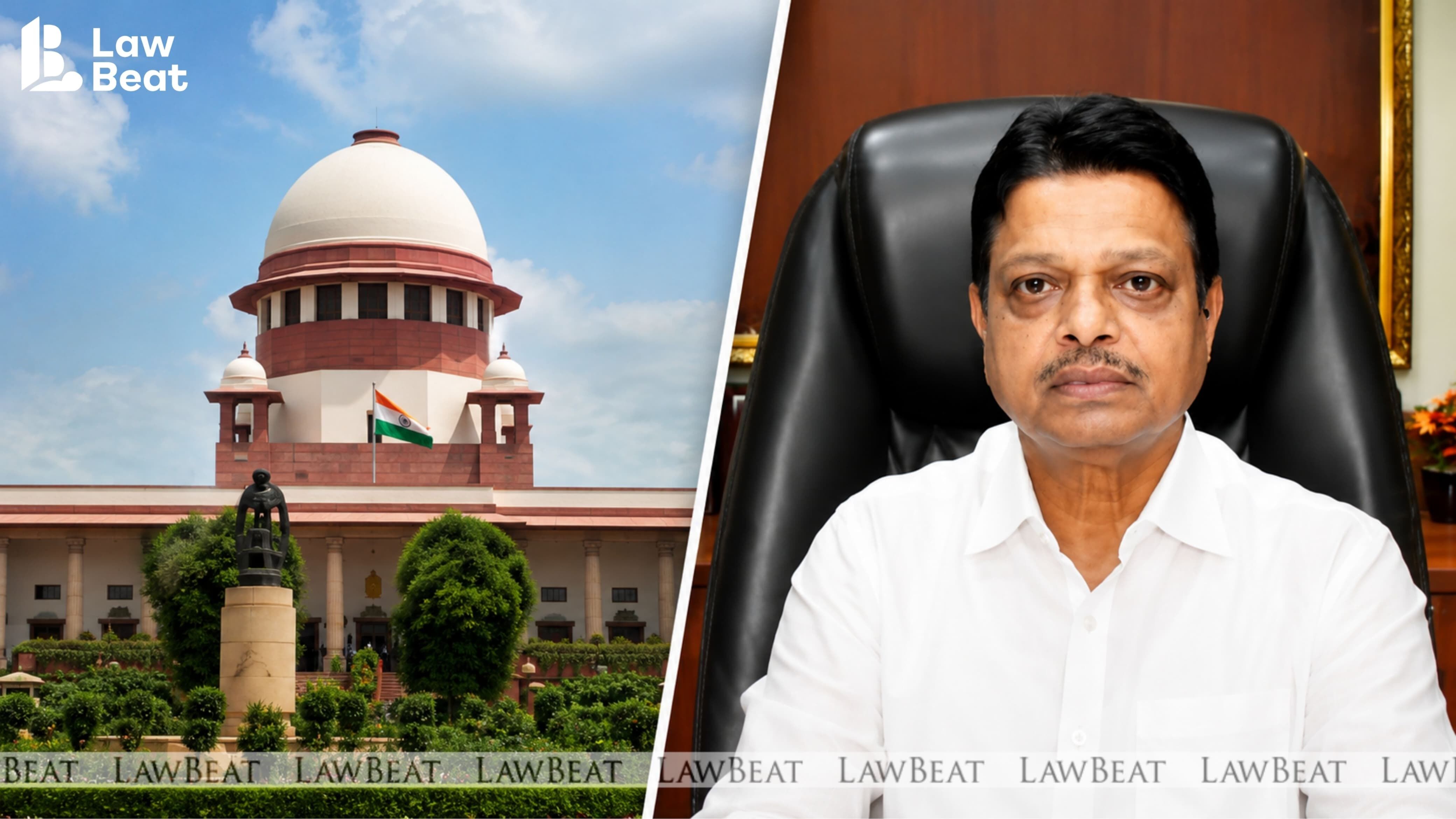
Supreme Court Questions Bombay HC: Ramesh Mhatre Bail Intervention Scrutinized
Summary
- The Supreme Court questioned the Bombay High Court's intervention in the bail granted to Shiv Sena corporator Ramesh Mhatre.
- The case involves allegations of assault on doctors and hospital staff at a Kalyan-Dombivli municipal hospital.
- The Supreme Court directed the State to file a formal application for bail cancellation, rather than relying on the High Court's prior intervention.
- Mhatre's counsel, Mukul Rohatgi, argued his client was not heard and questioned the High Court's unusual Saturday afternoon intervention.
- Despite procedural concerns, the Supreme Court emphasized the seriousness of the allegations, including alleged threats and video evidence, which will be examined.
Supreme Court Scrutinizes High Court's Bail Action
a bench comprising Justices Vikram Nath, Sandeep Mehta, and AG Masih directed the State to pursue a formal application for bail cancellation rather than relying on the High Court's prior intervention.
The Supreme Court has raised significant questions regarding the Bombay High Court's intervention in the bail granted to Shiv Sena corporator Ramesh Mhatre. This scrutiny comes in a case stemming from an alleged assault on doctors and hospital staff at a Kalyan-Dombivli Municipal Corporation-run medical facility. While acknowledging the serious nature of the accusations against Mhatre, an elected public representative, a bench comprising Justices Vikram Nath, Sandeep Mehta, and AG Masih directed the State to pursue a formal application for bail cancellation rather than relying on the High Court's prior intervention.
The apex court's inquiry into the Bombay High Court bail intervention procedure highlights a focus on procedural correctness, even in high-profile cases. The Supreme Court's initial observations underscored the gravity of the matter, noting Mhatre's status as a public figure. This directive sets the stage for a more structured legal challenge to Mhatre's freedom, with the next hearing scheduled for September 7.
Procedural Propriety Under Fire
During the Supreme Court's examination, Senior Advocate Mukul Rohatgi, representing Ramesh Mhatre, vehemently challenged the Bombay High Court's actions. Rohatgi argued that the High Court's intervention, occurring after bail had already been secured, was procedurally flawed. He specifically objected to a condition imposed by the High Court that mandated the filing of a charge sheet, asserting that such a requirement could not legitimately serve as grounds for interfering with an existing bail order.
Furthermore, Rohatgi contended that his client, Mhatre, had been denied the fundamental right to be heard before the High Court moved to interfere with his bail. He pointed to the unusual timing of the High Court's action, noting that a Division Bench had taken up the matter on a Saturday afternoon at 4:39 PM. Rohatgi maintained that if the State believed the initial bail order was erroneous, the appropriate course of action would have been to file a formal Ramesh Mhatre bail cancellation application directly with the Supreme Court, rather than seeking an ex parte intervention. The Supreme Court appeared to concur with this procedural stance, indicating that the State should formally move for cancellation.
Balancing Due Process with Serious Allegations
Despite its critical stance on the Bombay High Court's procedural approach, the Supreme Court made it unequivocally clear that it was not dismissing the serious allegations against Shiv Sena corporator Ramesh Mhatre. Justice Sandeep Mehta expressed profound concern regarding the alleged threats and assault directed at members of the medical fraternity, emphasizing the broader societal implications of such actions. The bench also referenced video footage of the alleged incident, indicating a thorough review of this material would be undertaken.
The State's counsel further underscored the gravity of the situation by alleging repeated threats, claiming "hundred calls" had been made. The Supreme Court confirmed that these allegations and the video evidence would be carefully considered as part of the formal bail cancellation proceedings. The State affirmed its commitment to filing the cancellation application promptly, with the Supreme Court directing that the matter be heard on Monday. Mhatre, through his counsel, also indicated he would file a short affidavit in response, ensuring both sides present their case within the established legal framework. This Supreme Court scrutiny High Court bail intervention underscores the judiciary's commitment to both procedural fairness and addressing serious criminal allegations.
Practical Implications
This development clarifies the procedural propriety for challenging bail orders, indicating that the Supreme Court prefers formal bail cancellation applications over High Court interventions that may bypass due process. Lawyers should note the SC's emphasis on hearing rights and proper procedure, even in serious cases involving public figures, when advising on bail matters or challenging lower court orders.
Source
How does this affect you?
Get an AI analysis of this article grounded in your jurisdictions, practice areas, and any policy documents you've uploaded to Wansom.
Finish Reading the Full Story and the Expert Analysis.
Wansom is AI and can make mistakes.