
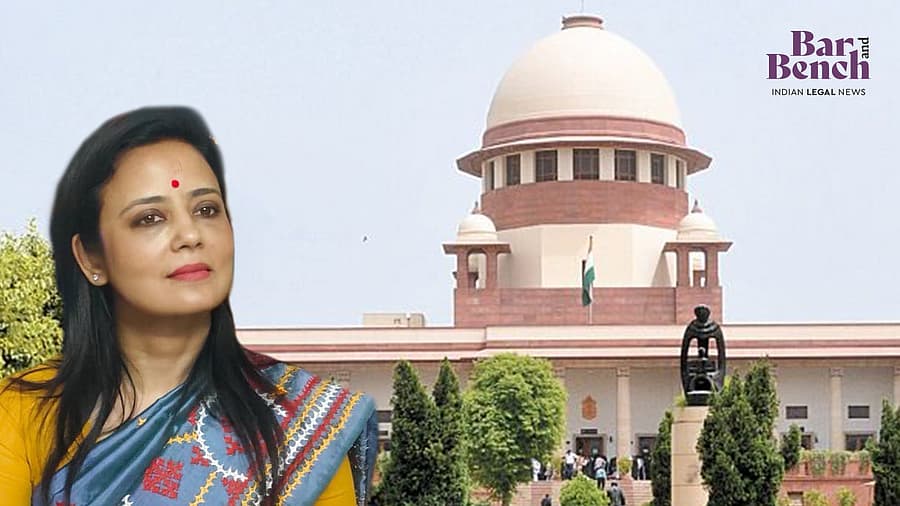
Supreme Court: No Relief for Mahua Moitra in Facebook Post Case
Summary
- The Supreme Court declined to entertain Mahua Moitra's petition for virtual court appearance in a case against her.
- Moitra was accused of uploading a provocative post on Facebook, leading to a complaint lodged by a BJP leader.
- The High Court granted interim protection to Moitra last month but directed her to appear before the investigating officer on August 14.
- This ruling may set a precedent for courts to deny virtual hearings in similar cases, potentially increasing exposure to physical intimidation or harassment.
Supreme Court Refuses Relief to Mahua Moitra
You are a member of parliament? Having taken the plunge into politics, you fear eggs? When our freedom fighters have taken bullets on their chest?
The Supreme Court has declined to entertain a petition filed by Trinamool Congress MP Mahua Moitra, seeking directions to appear virtually before police in a case accusing her of uploading a provocative post on Facebook. The Bench of Justices Dipankar Datta and Sheel Nagu dismissed Moitra's concerns about potential physical intimidation or harassment, stating that as a member of parliament, she should be prepared for such situations.
The court's decision has significant implications for politicians navigating criminal cases in India. With the rise of virtual court appearances, this ruling may set a precedent for courts to deny similar requests, potentially increasing exposure to physical intimidation or harassment.
Legal Context: Virtual Hearings and Criminal Cases
The case against Mahua Moitra was registered in June on a complaint lodged by a BJP leader over remarks made by her in two videos posted on social media. The High Court had granted interim protection to Moitra last month, but directed her to appear before the investigating officer on August 14. This decision highlights the complexities of navigating virtual hearings and criminal cases in India, particularly for politicians who may face intense scrutiny and backlash.
The Supreme Court's refusal to grant relief to Moitra is also notable given the recent trend of virtual court appearances in India. While this technology has improved access to justice, it also raises concerns about the potential for physical intimidation or harassment, as seen in this case.
Why It Matters: Implications for Politicians and the Justice System
The Supreme Court's decision may have far-reaching implications for politicians navigating criminal cases in India. With the rise of virtual court appearances, courts may be more likely to deny requests for virtual hearings, potentially increasing exposure to physical intimidation or harassment. This raises important questions about the balance between access to justice and personal safety, particularly for politicians who may face intense scrutiny and backlash.
Lawyers advising politicians on navigating criminal cases should take note of this precedent and consider the potential risks and consequences of seeking relief through virtual hearings.
Practical Implications
Lawyers advising politicians on navigating criminal cases should note that the Supreme Court's refusal of relief to Mahua Moitra may set a precedent for courts to deny virtual hearings in similar cases, potentially increasing exposure to physical intimidation or harassment.
Source
How does this affect your business?
Get an AI analysis of this article grounded in your jurisdictions, practice areas, and any policy documents you've uploaded to Wansom.
Wansom is AI and can make mistakes.