
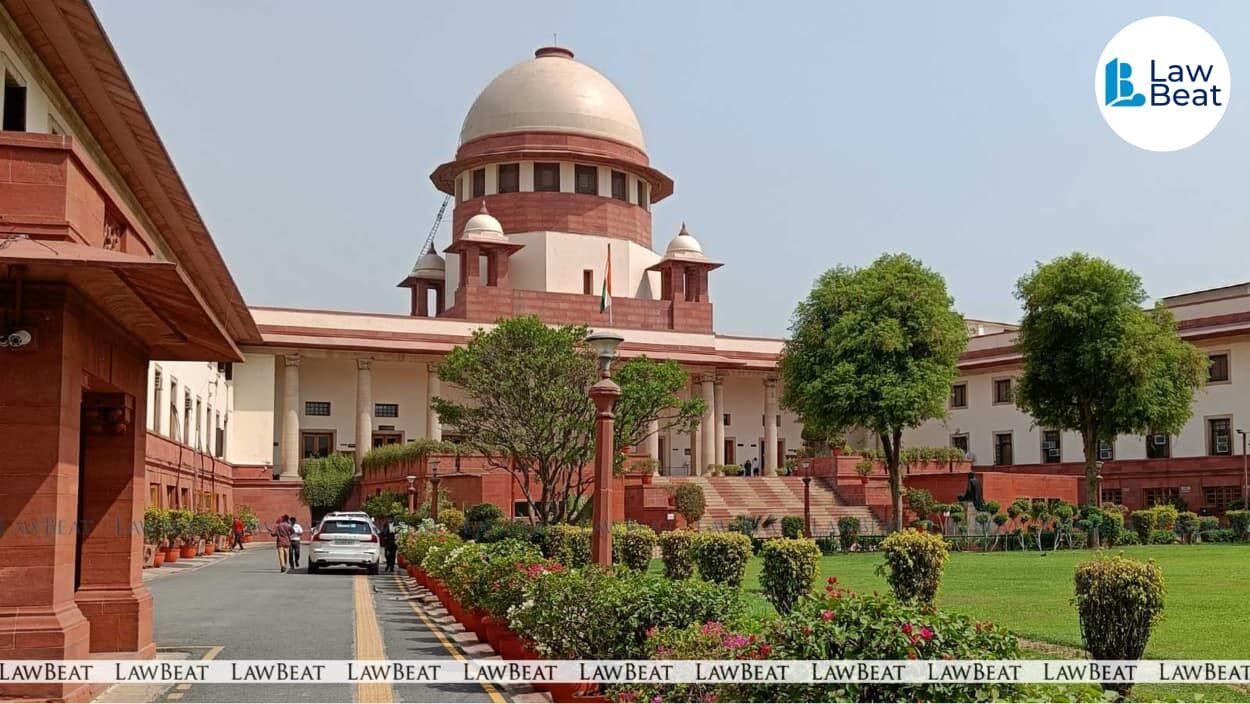
Supreme Court: Puneet Batra Gets Interim GST Protection
Summary
- The Supreme Court has granted interim protection to advocate Puneet Batra from coercive GST action until September 28.
- Batra is challenging a Delhi High Court judgment that upheld a GST search at his law office and the seizure of his computer and documents.
- The dispute stems from a July 25, 2025, GST search under Section 67(2) of the CGST Act, 2017, at Batra's office.
- Batra argues the search violated advocate-client privilege, while GST authorities allege his involvement in a client's operations beyond legal advice.
- The Delhi High Court ruled that advocate-client privilege is not an absolute bar against investigating a lawyer's conduct if there is prima facie evidence of involvement.
Supreme Court Intervenes in GST Probe
The Supreme Court's upcoming detailed hearing on this matter will be crucial in clarifying the boundaries of advocate-client privilege GST investigation, potentially redefining the scope of protection available to legal professionals and their clients in tax-related inquiries.
The Supreme Court has granted interim protection to advocate Puneet Batra, shielding him from coercive action by Goods and Services Tax (GST) authorities. This temporary relief was issued on Friday, September 25, ahead of a scheduled hearing on Monday, September 28, where the apex court will consider Batra's challenge against a Delhi High Court judgment. The Delhi High Court had previously upheld a GST search conducted at his law office and the subsequent seizure of his computer and various documents.
A bench comprising Justices Dipankar Datta and Sheel Nagu is presiding over Batra's Special Leave Petition, which contests the Delhi High Court's September 18 ruling in the case of Puneet Batra v. Union of India & Ors. The Supreme Court opted to defer a detailed hearing, citing the recent receipt of case papers and the need for adequate time to review the matter thoroughly. During the proceedings, Additional Solicitor General S V Raju, representing the authorities, stated that the agency was merely analyzing the seized data and asserted that the situation did not involve a typical lawyer-client relationship. However, the bench instructed the authorities to refrain from further action until the Monday hearing, emphasizing their need to examine the records.
Senior advocate N Hariharan, appearing on behalf of Batra, informed the court that the GST agency had summoned his client for the same day and requested immediate protection. In response, the Supreme Court directed the GST Department not to proceed against Batra until the matter is heard again on September 28. This interim order provides crucial Supreme Court Puneet Batra GST protection while the legal complexities of the case are under judicial scrutiny.
The Underlying Dispute and Delhi High Court Ruling
The genesis of this legal dispute traces back to a GST search conducted on July 25, 2025, at the premises of Bass Legal LLP, specifically targeting the cabin utilized by advocate Puneet Batra. During this operation, authorities confiscated his Central Processing Unit (CPU), various documents, and other materials. The search was executed under the authority granted by Section 67(2) of the Central Goods and Services Tax Act, 2017, which permits search and seizure operations.
Batra subsequently challenged the validity of this advocate GST search seizure and the summons issued to him before the Delhi High Court. His primary argument centered on the contention that the seized computer contained confidential and privileged communications pertaining not only to the client under investigation but also to his other clients. Batra maintained that his professional engagement with Martkarma Technology Pvt. Ltd. (MTPL), a gaming company he had advised since 2023, was strictly as a legal adviser and consultant, covering areas such as GST and tax matters, corporate compliances, income-tax and TDS returns, intellectual property, trademark registration, and cyber-crime issues.
Conversely, the GST authorities argued that Batra's role extended beyond that of a mere legal representative for MTPL, alleging his involvement in the company's affairs and operations. They contended that advocate-client privilege could not serve as an impediment to an investigation into a lawyer's own conduct, particularly when prima facie evidence suggested involvement beyond an advisory capacity. The Delhi High Court Division Bench, comprising Justices Anil Khetarpal and Shail Jain, dismissed Batra's petition on September 18. The court held that while genuine privileged communications are protected, such privilege does not act as an absolute bar against an investigation into an advocate's conduct if authorities present prima facie material indicating possible involvement in the matters under investigation. The Delhi High Court GST search validity was thus affirmed, underscoring a nuanced interpretation of privilege in tax investigations.
Implications for Advocate-Client Privilege
This ongoing legal battle, particularly the Supreme Court's engagement with Puneet Batra v. Union of India, highlights a critical and evolving interpretation of advocate-client privilege within the context of tax investigations. The Delhi High Court's ruling, which upheld the search and seizure, suggests a limitation on this privilege when lawyers are perceived to be actively involved in the operational aspects of their clients' businesses, rather than solely providing legal counsel. This perspective challenges the traditional understanding of the sanctity of communications between an advocate and their client, especially concerning GST investigations.
The case underscores the tension between the need for tax authorities to investigate potential irregularities and the fundamental principle of protecting confidential legal advice. The authorities' argument that privilege cannot shield a lawyer's own conduct, if there is prima facie evidence of their involvement in a client's affairs, sets a precedent that could significantly impact legal practice. The Supreme Court's upcoming detailed hearing on this matter will be crucial in clarifying the boundaries of advocate-client privilege GST investigation, potentially redefining the scope of protection available to legal professionals and their clients in tax-related inquiries.
Practical Implications
This case highlights the evolving interpretation of advocate-client privilege in tax investigations, particularly when lawyers are perceived to be involved in client operations. Lawyers should monitor the Supreme Court's final ruling to understand the potential limits of privilege and their exposure to tax authority scrutiny when advising clients on GST matters.
Source
Source: Original reporting via Live Law
How does this affect you?
Get an AI analysis of this article grounded in your jurisdictions, practice areas, and any policy documents you've uploaded to Wansom.
Finish Reading the Full Story and the Expert Analysis.
Get the latest legal & regulatory intelligence in India
Wansom is AI and can make mistakes.