
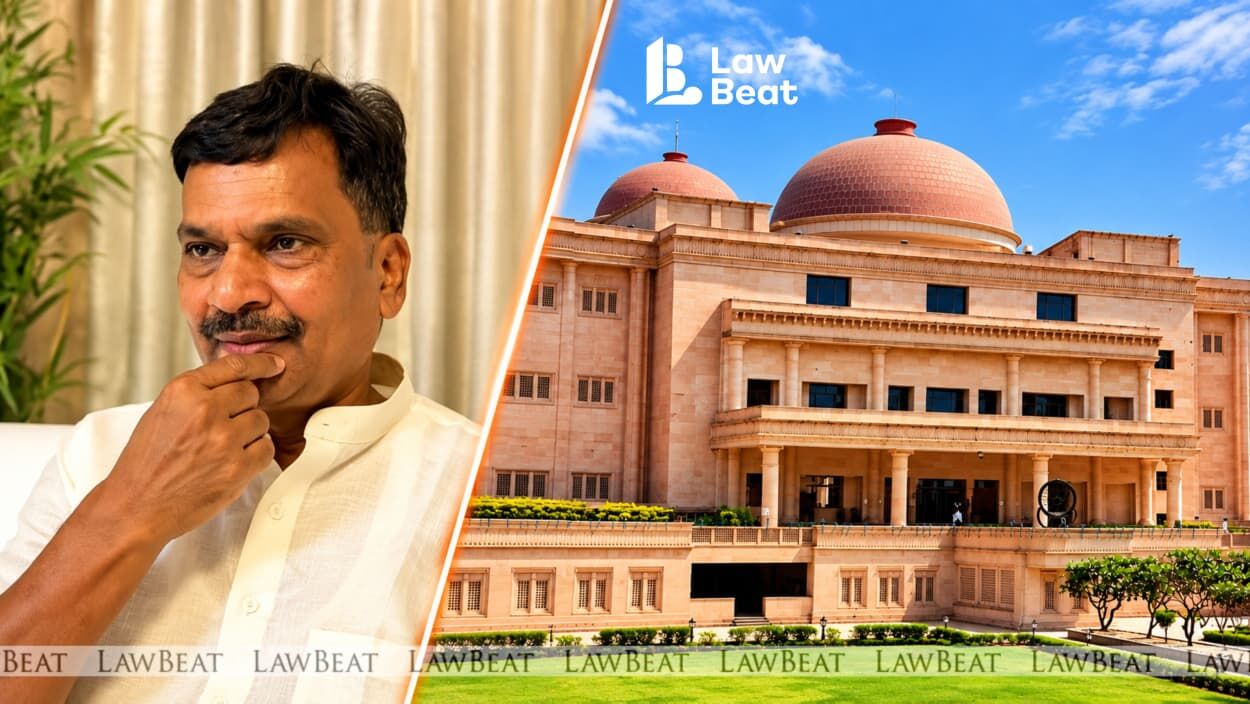
Allahabad High Court: Rakesh Rathore Rape Discharge Granted
Summary
- The Allahabad High Court discharged Congress MP Rakesh Rathore in a rape case, setting aside a trial court's order to frame charges.
- Justice Subhash Vidyarthi's order, issued on September 25, 2026, found that prosecution material indicated a long-standing consensual relationship.
- The complainant had alleged rape in 2020 and a continued physical relationship based on a promise of marriage.
- The High Court affirmed its revisional jurisdiction, ruling that framing charges does not prevent it from reviewing the legality of discharge proceedings.
- The court concluded that continuing criminal proceedings on contradictory and unsubstantiated allegations would constitute an abuse of legal process and a failure of justice.
What Happened
Justice Vidyarthi's order emphasized that allowing criminal proceedings to continue based on what it found to be contradictory and unsubstantiated allegations would amount to an abuse of the legal process, ultimately resulting in a failure of justice.
The Allahabad High Court, sitting at its Lucknow Bench, has discharged Congress Member of Parliament Rakesh Rathore from a rape case, overturning a lower court's decision to frame charges against him. Justice Subhash Vidyarthi, presiding over the matter, issued the order on Friday, September 25, 2026, granting Rathore's discharge application. The High Court's ruling specifically set aside the trial court's May 5, 2025 order, which had previously rejected Rathore's plea for discharge and proceeded with the framing of charges.
The court's primary finding was that the evidence gathered during the investigation strongly indicated a long-standing consensual relationship between Mr. Rathore and the complainant, rather than a non-consensual act. This pivotal determination led to the conclusion that there was insufficient material to warrant the continuation of criminal proceedings against the political figure. The decision highlights a significant intervention by the higher judiciary in a case where initial charges had already been laid.
Genesis of the Case
The legal proceedings against Mr. Rathore originated from a First Information Report (FIR) filed in January 2025 at the Kotwali police station in Sitapur. The complainant alleged that she was raped by Mr. Rathore in 2020. Furthermore, she claimed that their physical relationship persisted thereafter, based on his assurance that he would divorce his wife and subsequently marry her.
These allegations formed the basis for the trial court's decision to frame charges. However, the Allahabad High Court, in its subsequent review, meticulously examined the prosecution's material to ascertain whether these claims held up to scrutiny, particularly in light of the circumstances surrounding the alleged events and the nature of the relationship between the parties involved.
Court's Examination of Evidence
In its detailed assessment, the High Court considered various aspects of the relationship between Mr. Rathore and the complainant. Evidence presented indicated that their acquaintance began at public gatherings. Following these initial meetings, Mr. Rathore reportedly offered the complainant political support and a professional alliance, which she accepted. This led to her appointment as the district women president of the Tailik Mahasangh, a development that the court noted increased their proximity.
Crucially, the court also took into account the statement of the complainant's husband, who testified that Mr. Rathore frequently contacted his wife to visit his residence, and that she occasionally remained there until late hours. Based on these collective circumstances, the High Court concluded that the prosecution material pointed towards a "long-standing consensual extramarital relationship between two married and mature adults." The court found these facts to be inconsistent with the complainant's assertion that the physical relationship was predicated solely on a promise of marriage. While statements from the complainant's husband, married son, and daughter-in-law supported the allegations, the bench ultimately determined that the overall prosecution case did not generate the necessary level of suspicion for the criminal proceedings to continue, deeming the circumstances presented as not credible to a person of ordinary prudence.
Legal Basis for Discharge
Mr. Rathore had sought recourse from the High Court after the trial court declined his request for discharge and proceeded to frame charges against him. A key aspect of the High Court's ruling involved addressing a procedural challenge concerning its jurisdiction. The court affirmed its revisional powers, holding that the mere act of a trial court framing charges does not preclude the High Court from exercising its authority to review the legality of the discharge proceedings. This aspect of the ruling reinforces the Allahabad High Court's revisional jurisdiction in criminal matters, even at advanced stages of trial.
Justice Vidyarthi's order emphasized that allowing criminal proceedings to continue based on what it found to be contradictory and unsubstantiated allegations would amount to an abuse of the legal process, ultimately resulting in a failure of justice. Consequently, the May 5, 2025 order of the trial court was quashed, and Mr. Rathore's application for discharge was granted, effectively bringing an end to the rape charges India against him in this instance. The case, officially titled Rakesh Rathore v. State of U.P., serves as a significant example of judicial scrutiny over the evidentiary basis of criminal accusations.
Practical Implications
This ruling provides a precedent for challenging rape charges where evidence suggests a long-standing consensual relationship rather than non-consensual acts or false promises of marriage. It also reinforces the Allahabad High Court's revisional jurisdiction to quash proceedings even after charges are framed if the prosecution material fails to establish a strong suspicion, offering a pathway for relief in similar cases.
Source
How does this affect you?
Get an AI analysis of this article grounded in your jurisdictions, practice areas, and any policy documents you've uploaded to Wansom.
Finish Reading the Full Story and the Expert Analysis.
Get the latest legal & regulatory intelligence in India
Wansom is AI and can make mistakes.