
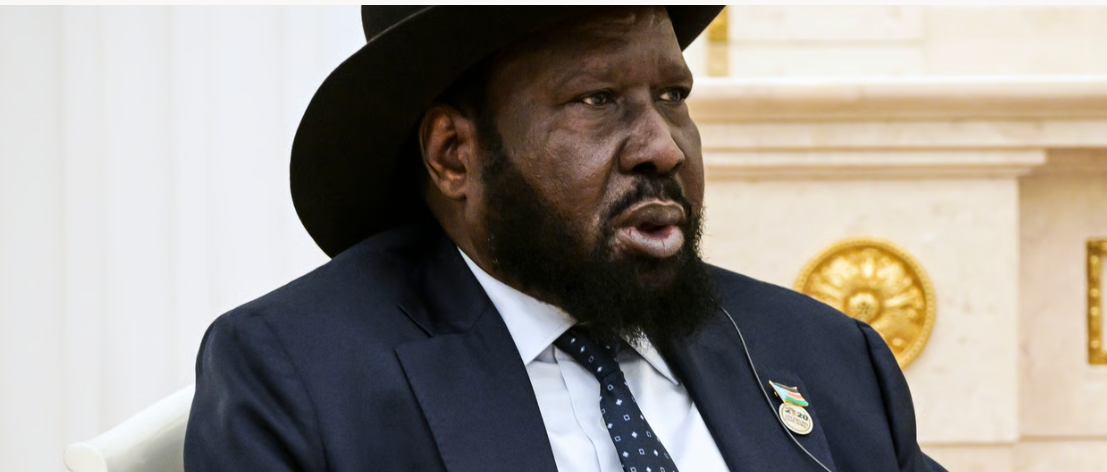
Kiir Orders Free Movement Ahead of Election Campaigns
Summary
- South Sudanese President Salva Kiir issued a directive ensuring free movement for political candidates, campaign teams, and citizens during the election period, prohibiting harassment by security forces.
- Kiir also renewed a 2017 order guaranteeing unrestricted movement for humanitarian convoys, diplomatic missions, and official consignments, forbidding arbitrary restrictions and unauthorized fees.
- The directive mandates protection for humanitarian personnel and supplies, with specific instructions for the Ministry of Foreign Affairs and International Cooperation, the Ministry of Humanitarian Affairs and Disaster Management, and the Relief and Rehabilitation Commission (RRC) to facilitate operations and resolve disputes.
- Freedom of movement for accredited diplomatic missions and agents is reaffirmed, consistent with the 1961 Vienna Convention, protecting diplomatic communications and consignments.
- Public officials and security personnel who obstruct humanitarian movements or impose unauthorized charges will face disciplinary and legal action under the new directive.
Ensuring Electoral Freedom
The directive establishes a clear framework for accountability, stating that any public officials or security personnel found to be obstructing humanitarian movements or imposing unauthorized charges will face disciplinary and legal action.
South Sudanese President Salva Kiir Mayardit recently issued a directive mandating security forces and state authorities to guarantee unrestricted movement for political candidates, their campaign teams, and ordinary citizens, thereby reinforcing South Sudan political candidate rights. This order, broadcast by the state-owned South Sudan Broadcasting Corporation (SSBC), comes amidst mounting concerns and complaints from various political parties regarding limitations placed on their members' ability to travel and conduct activities. The presidential decree specifically instructs organized forces to facilitate and safeguard the movement of candidates and their teams across all states, administrative areas, and localities, thereby enabling them to engage in lawful campaign activities without hindrance.
The directive explicitly forbids security personnel and state authorities from arresting, harassing, or intimidating candidates and their supporters who are participating in legitimate political endeavors. This measure directly addresses prior concerns about restrictions on both domestic and international travel, which had led some political parties to report that their members were being prevented from moving freely during the election period, thus impeding their campaigning efforts. However, the order does not extend protection to activities such as the unauthorized possession or movement of unlicensed firearms, incitement to violence, hate speech, or tribal mobilization. The National Elections Commission (NEC) has set the official campaign period to run from December 27, 2026, to February 9, 2027, with February 10 designated as a campaign-free day before polling commences on February 11.
Safeguarding Humanitarian Operations
In a separate but equally significant order, President Kiir reaffirmed and renewed a 2017 presidential directive aimed at ensuring the free movement of humanitarian convoys, diplomatic missions, and official consignments throughout the country. This Kiir humanitarian movement directive underscores the government's steadfast commitment to facilitating humanitarian operations across all states and administrative areas, while also protecting the established privileges and immunities of accredited diplomatic missions and international organizations operating within South Sudan.
The renewed directive strictly prohibits national, state, and local authorities, as well as security personnel, from imposing arbitrary movement restrictions, establishing unauthorized checkpoints, or collecting illicit fees that could impede or delay humanitarian convoys and the delivery of vital relief supplies. Furthermore, President Kiir instructed security forces and government authorities to actively protect humanitarian personnel, their offices, vehicles, and supplies, and to refrain from any interference with relief operations. The order specifically tasks the Ministry of Foreign Affairs and International Cooperation, the Ministry of Humanitarian Affairs and Disaster Management, the Relief and Rehabilitation Commission (RRC), and state authorities with facilitating necessary clearances, coordinating operations effectively, and resolving any disputes that might disrupt crucial humanitarian activities.
Upholding Diplomatic Immunities
President Kiir's comprehensive directive also explicitly reaffirms the freedom of movement for accredited diplomatic missions, diplomatic agents, consular officers, and recognized international organizations, aligning these protections with the principles enshrined in the 1961 Vienna Convention on Diplomatic Relations. This South Sudan diplomatic protection order is designed to safeguard diplomatic correspondence and officially marked diplomatic bags from arbitrary detention or delays at critical transit points, including airports, border crossings, and security checkpoints.
Moreover, the directive prohibits authorities from arbitrarily impounding or withholding diplomatic consignments. Any verification or protocol-related concerns regarding such consignments must be channeled and addressed through the Ministry of Foreign Affairs and International Cooperation. While generally ensuring broad protections, the order does permit the inspection of diplomatic agents' personal baggage if there are serious grounds to suspect the presence of prohibited items, provided such inspections adhere strictly to the conditions stipulated within the Vienna Convention.
Accountability and Enforcement
To ensure the rigorous implementation of these directives, President Kiir has issued clear instructions to all relevant government ministries, state governors, chief administrators of administrative areas, local authorities, and commanders of organized forces. These officials are now directly responsible for guaranteeing full compliance with the orders concerning electoral freedom, humanitarian access, and diplomatic protection.
The directive establishes a clear framework for accountability, stating that any public officials or security personnel found to be obstructing humanitarian movements or imposing unauthorized charges will face disciplinary and legal action. Such actions will be pursued under the applicable laws and service regulations, signaling a serious commitment to enforcing these newly reinforced protections across South Sudan.
Practical Implications
Lawyers advising political candidates, humanitarian organizations, or diplomatic missions in South Sudan should be aware of President Kiir's directive, as it provides a clear legal framework to challenge arbitrary restrictions on movement and ensures protection for their clients' activities and personnel. Compliance officers for NGOs and international bodies operating in South Sudan must integrate these reaffirmed protections into their operational planning and risk management strategies, particularly regarding staff safety and humanitarian aid delivery.
Source
How does this affect you?
Get an AI analysis of this article grounded in your jurisdictions, practice areas, and any policy documents you've uploaded to Wansom.
Finish Reading the Full Story and the Expert Analysis.
Get the latest legal & regulatory intelligence in South Sudan
Wansom is AI and can make mistakes.