
Jonglei State: Bor County Chiefs Released for Malual Abang Peace
Summary
- Six chiefs, previously detained in connection with recent violence in Bor County, have been released by Jonglei State authorities.
- The conflict, which resulted in at least nine deaths, stemmed from a dispute between the Abang and Malual communities over an administrative unit.
- The released chiefs are expected to assist in identifying and apprehending individuals responsible for the killings.
- Part of the resolution includes the revocation of Malual Boma, with Malual Chaat Boma having been revoked in July 2026, and planned discussions for blood compensation in South Sudan.
- Jonglei State officials emphasize that these peace efforts are crucial for preparing the region for upcoming elections.
Escalation and Intervention in Bor County
This approach underscores a reliance on internal community mechanisms and the authority of traditional leaders in South Sudan conflict resolution.
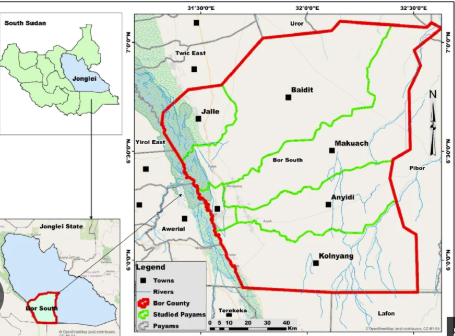
A recent outbreak of violence in Bor County, Jonglei State, led to the detention of sixteen community leaders and the deployment of security forces following a month-long conflict. The clashes, which involved elements from the rival Abang and Malual communities, reportedly claimed at least nine lives from both sides. The underlying cause of the dispute centered on disagreements regarding the establishment of a new administrative unit. In response to the escalating situation, authorities in Jonglei State intervened, initially apprehending community leaders suspected of involvement in the renewed hostilities.
However, a significant development in the Jonglei State peace efforts saw the government order the release of six of these detained chiefs. James Gatkhor Gatluak, the governor’s security adviser and head of the conflict resolution committee, confirmed that the governor had authorized the release of six chiefs from both communities, with the process commencing on a Monday morning. This decision marks a strategic shift in the government's approach to resolving the Abang Malual community conflict, moving from punitive measures to a more collaborative strategy involving traditional leadership.
Customary Law and Community Engagement Drive Resolution
The release of the Bor County chiefs is not an act of leniency but a calculated move to bolster ongoing pacification efforts and facilitate a lasting resolution. According to Gatkhor Gatluak, these freed leaders are expected to play a crucial role in identifying and apprehending individuals responsible for the killings and injuries that occurred during the recent fighting. This approach underscores a reliance on internal community mechanisms and the authority of traditional leaders in South Sudan conflict resolution.
The government’s intervention involved direct engagement with the affected communities. Gatkhor Gatluak detailed visits to the detained chiefs on November 5, followed by separate meetings with the Malual Community on November 6 and the Abang Community on November 7. These extensive dialogues yielded a cessation of hostilities and a commitment to hold perpetrators accountable. Furthermore, a key outcome of these engagements was the resolution to revoke Malual Boma, an administrative unit central to the dispute. Malual Chaat Boma, which was central to the dispute, was revoked in July 2026. Plans are also underway for further dialogue to address the fundamental causes of the conflict and to negotiate blood compensation South Sudan, a traditional practice for resolving inter-communal violence.
Peace as a Prerequisite for Political Stability
Caretaker Governor Moses Majok Gatluak underscored the paramount importance of peace for his administration, stating that it remains the government's top priority. He articulated that meaningful progress, particularly in preparing the populace for upcoming elections, is contingent upon a stable and peaceful environment. The governor affirmed that his committee is actively working to resolve the Abang Malual community conflict by ensuring the arrest and arraignment of suspects before the courts, thereby upholding justice while pursuing reconciliation.
The government's proactive intervention has garnered positive feedback from civil society. Kenya Mach, an activist with the Jonglei Women Association, commended the local government for its swift action. She expressed the civil society's strong desire for peace across the state and lauded the ongoing peace initiatives. Mach confirmed that the immediate conflict between the Malual and Abang communities has effectively been brought to a halt, signaling a temporary success in the broader Jonglei State peace efforts.
Practical Implications
Lawyers advising clients or NGOs operating in Jonglei State, South Sudan, should note the government's reliance on traditional leaders and customary law (e.g., blood compensation) for conflict resolution. This development indicates a shift in local governance and peace-building strategies, which may impact community relations, administrative boundaries, and the legal landscape for local operations.
Source
How does this affect you?
Get an AI analysis of this article grounded in your jurisdictions, practice areas, and any policy documents you've uploaded to Wansom.
Finish Reading the Full Story and the Expert Analysis.
Get the latest legal & regulatory intelligence in South Sudan
Wansom is AI and can make mistakes.