
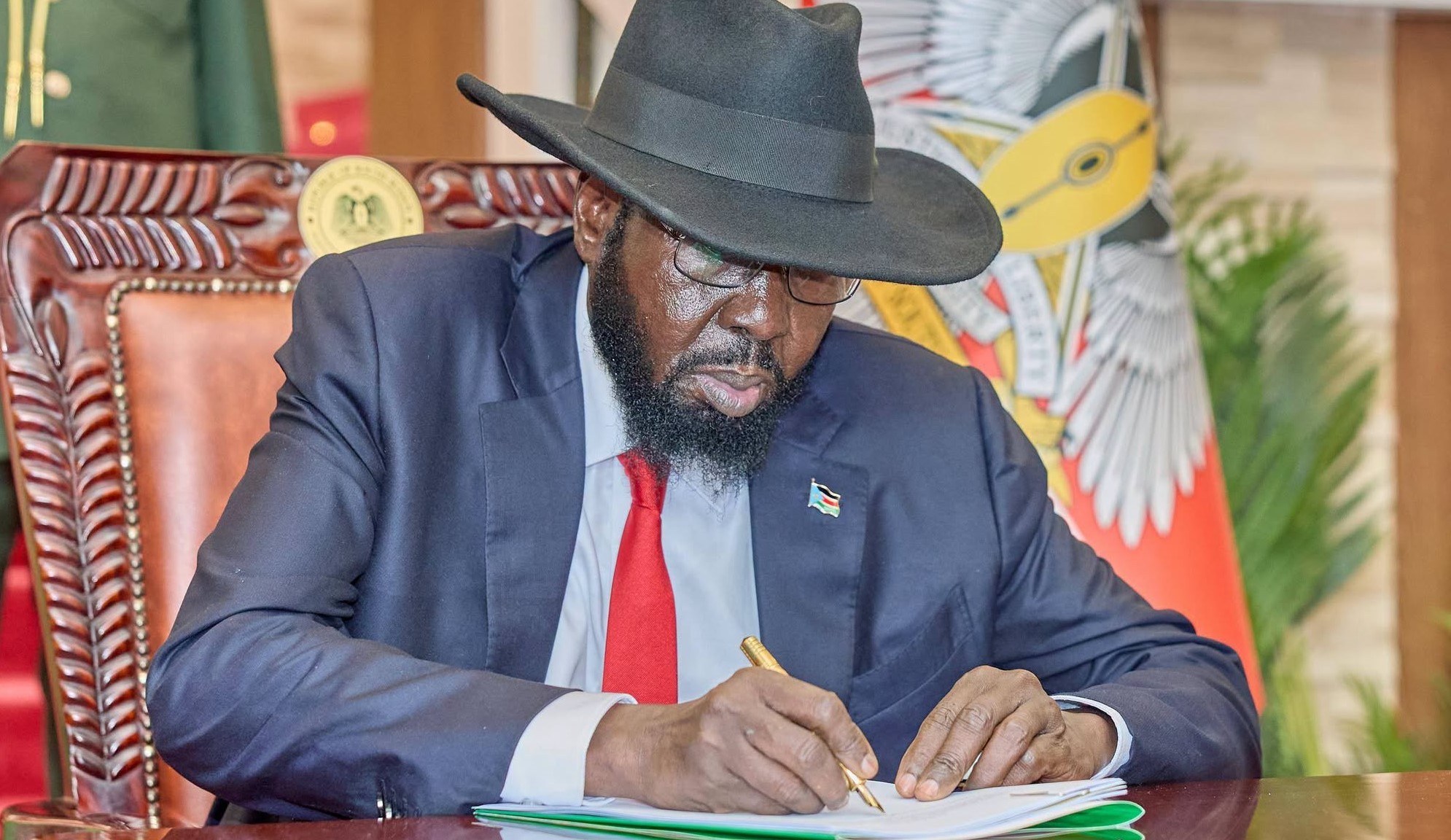
South Sudan Kiir: Removes Election Prerequisites for 2026 Vote
Summary
- President Salva Kiir has assented to constitutional amendments removing prerequisites for South Sudan's upcoming elections.
- These changes eliminate the requirements for a permanent constitution and a national census to be completed before the vote.
- The Transitional National Legislative Assembly approved these amendments the day prior to presidential assent.
- This move aims to clear legal obstacles for the elections scheduled for December 22, 2026, the first since 2011.
- Despite these legal reforms, significant political, security, and logistical challenges for the electoral process remain.
Key Legal Hurdles Removed for South Sudan Elections
President Salva Kiir has formally assented to significant `South Sudan constitutional amendments` that eliminate key prerequisites for holding national elections, including the completion of a permanent constitution and a national census.
President Salva Kiir of South Sudan recently enacted significant `South Sudan constitutional amendments`, formally assenting to changes that remove crucial prerequisites for holding national elections. These amendments specifically eliminate the requirement for a permanent constitution to be finalized and a national census to be conducted before the polls can proceed. The Transitional National Legislative Assembly had given its approval to these legislative changes just one day prior to the presidential assent, paving the way for a redefined electoral landscape.
This pivotal move, which follows earlier alterations to the 2018 peace agreement in July, is intended to clear legal hurdles for the nation's first general elections since gaining independence in 2011. The president's office clarified that these `Kiir assents election law changes` effectively decouple the holding of national elections from the completion of both the permanent constitution-making process and the national population and housing census, which had previously been stipulated as essential preconditions.
Background to the Electoral Reforms
The requirements for a permanent constitution and a national census were originally enshrined in the 2018 peace deal, serving as foundational elements for the country's transition to a stable, elected government. However, these conditions have proven challenging to meet within the stipulated timelines, contributing to repeated delays in the electoral process. The recent `South Sudan constitutional amendments` represent a direct response to these practical difficulties, aiming to streamline the path toward the upcoming vote.
Notably, the current constitutional amendment builds upon previous efforts to adjust the electoral framework. In July, President Kiir had already assented to changes to the 2018 peace agreement itself, which were also approved by parliament. Those earlier reforms similarly removed the necessity of completing a permanent constitution and a population census prior to elections, indicating a consistent governmental strategy to address legal impediments to the electoral timeline.
Setting the Stage for 2026 Elections
With these legal adjustments, the `2026 South Sudan elections legal framework` is now more clearly defined, as the nation prepares for elections scheduled for December 22, 2026. This will mark the first time South Sudanese citizens cast their votes in a general election since the country achieved independence in 2011. The path to these elections has been protracted, with the polls having been repeatedly postponed over the years.
The most recent postponement occurred in 2024, when the transitional government and opposition factions collectively agreed to extend the political transition period, thereby moving the anticipated vote to December 2026. The government has consistently articulated that these `South Sudan Kiir removes election prerequisites` are a necessary step to overcome legal obstacles that have historically hindered the electoral process, thereby facilitating the long-awaited democratic exercise.
Persistent Challenges Beyond Legal Frameworks
While the `South Sudan permanent constitution census waiver` and other legal reforms are crucial for establishing an electoral framework, they do not resolve all the complexities facing the nation's political transition. Significant challenges persist, particularly concerning the practical preparations by electoral institutions and securing adequate funding for the entire process. These operational and financial hurdles remain critical areas requiring attention.
Therefore, while the constitutional amendment marks a vital step by the transitional government to solidify the legal basis for the December 2026 vote, it is acknowledged that this action alone does not address the broader political, security, and logistical issues that continue to impact the overall electoral process in South Sudan.
Practical Implications
Legal professionals advising on South Sudan's political landscape or electoral participation must be aware that the removal of constitutional and census prerequisites significantly alters the legal framework for the 2026 elections, impacting strategic planning and risk assessments. This development clarifies the immediate legal path for the elections, requiring an update to any legal advice concerning the country's political transition.
Source
How does this affect you?
Get an AI analysis of this article grounded in your jurisdictions, practice areas, and any policy documents you've uploaded to Wansom.
Finish Reading the Full Story and the Expert Analysis.
Wansom is AI and can make mistakes.