
South Sudanese Media to Establish Independent Ethics Body
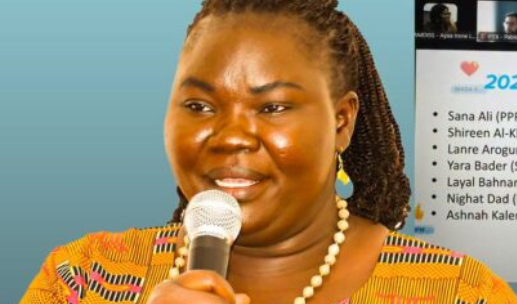
South Sudanese media stakeholders are moving to establish an independent ethics body to strengthen professionalism and ethical standards among journalists, the Association for Media Development in South Sudan (AMDISS) said. Ayaa Irene, Executive Director of AMDISS, said the proposed body would be established and managed by media practitioners rather than the government, as part of efforts to address concerns over journalistic professionalism and ethics. “We want to establish it by ourselves as the media to regulate the ethics,” she said during an expert panel discussion organized by the Human Rights Defenders Network in Juba on Tuesday. She said the initiative is partly intended to respond to government concerns that some cases of harassment involving journalists are linked to a lack of competence and professionalism, arguing that the media should have its own mechanism to address such concerns. “The issue of harassment of journalists, the government is always saying that it is associated with lack of competency, lack of professionalism,” Ayaa said. “So we want to address the issue of professionalism within the ethics body.” She said the media sector is currently at an initial stage of establishing the body and plans to consult journalists and other stakeholders on how it should be structured and operated. According to Ayaa, an independent ethics mechanism would also help create clearer standards for professional conduct and provide a basis for addressing complaints about journalists before such issues are used to justify restrictions on the media. However, she said efforts to strengthen media professionalism must go hand in hand with reforms to the institutions responsible for regulating the media. She criticized the government’s role in appointing boards of key media institutions, arguing that such arrangements undermine their independence and limit their ability to implement existing media laws effectively. “Who appoints the board of all these bodies? The board of the Media Authority, the board of SSBC, the Access to Information- who appoints them? And who are they loyal to?” she asked. Ayaa said her experience as a former member of the Media Authority board showed the difficulties faced by boards when management decisions are taken without their involvement. She recalled an incident in which 20 journalists were expelled from South Sudan, saying the decision was taken by management without consultation with the board. She said the board subsequently met and strongly debated the matter but was effectively powerless because of the circumstances surrounding the decision. Ayaa contends that South Sudan will struggle to achieve genuine media independence as long as government institutions retain control over the appointment of boards overseeing the media. “As long as we are going to have the government through the Ministry of Information, the president appointing the board of media bodies, we are not going to implement these laws the way we want them,” she said. The AMDISS chief said that together with other independent media actors, they have studied media regulatory systems in countries including Ghana, South Africa and Japan, where she said greater institutional independence had helped support media freedom. She also disclosed that independent media organizations and government institutions are currently engaged in dialogue aimed at addressing challenges affecting the media sector. The discussions, supported through a process involving the Japanese government, are examining whether the challenges facing South Sudan’s media stem from weaknesses in legislation, implementation, or actual practice. “Who is to guarantee our rights? Who is to guarantee our protection?” she asked, arguing that media organizations must engage the government because it appoints the boards of key media institutions. She said South Sudan already has several media-related laws, including the Access to Information Act, but that the main challenge remains
How does this affect you?
Get an AI analysis of this article grounded in your jurisdictions, practice areas, and any policy documents you've uploaded to Wansom.
Finish Reading the Full Story and the Expert Analysis.
Wansom is AI and can make mistakes.