
South Sudan: Media Law Implementation Challenges Undermine Freedoms
Summary
- South Sudan's progressive media laws face significant implementation challenges due to security restrictions and conflicting legal interpretations.
- Journalists' organizations, like UJOSS, require a 'letter of no objection' from the Media Authority, a process linked to the National Security Service, for basic meetings.
- The Media Authority has been involved in registration disputes, such as with AMDISS and UJOSS, stemming from ambiguous legal advice.
- Journalist accreditation, though not legally mandated by the Media Authority Act, is increasingly required for covering official events, leading to exclusion.
- These restrictions are particularly concerning ahead of the December 22 elections, fostering a climate of fear and self-censorship among journalists and the public.
Pervasive Challenges to Media Freedoms
This pervasive atmosphere of self-censorship and informal control, often linked to National Security Service media oversight SS, significantly impedes the free flow of information essential for a healthy democracy, especially during a critical pre-election period.
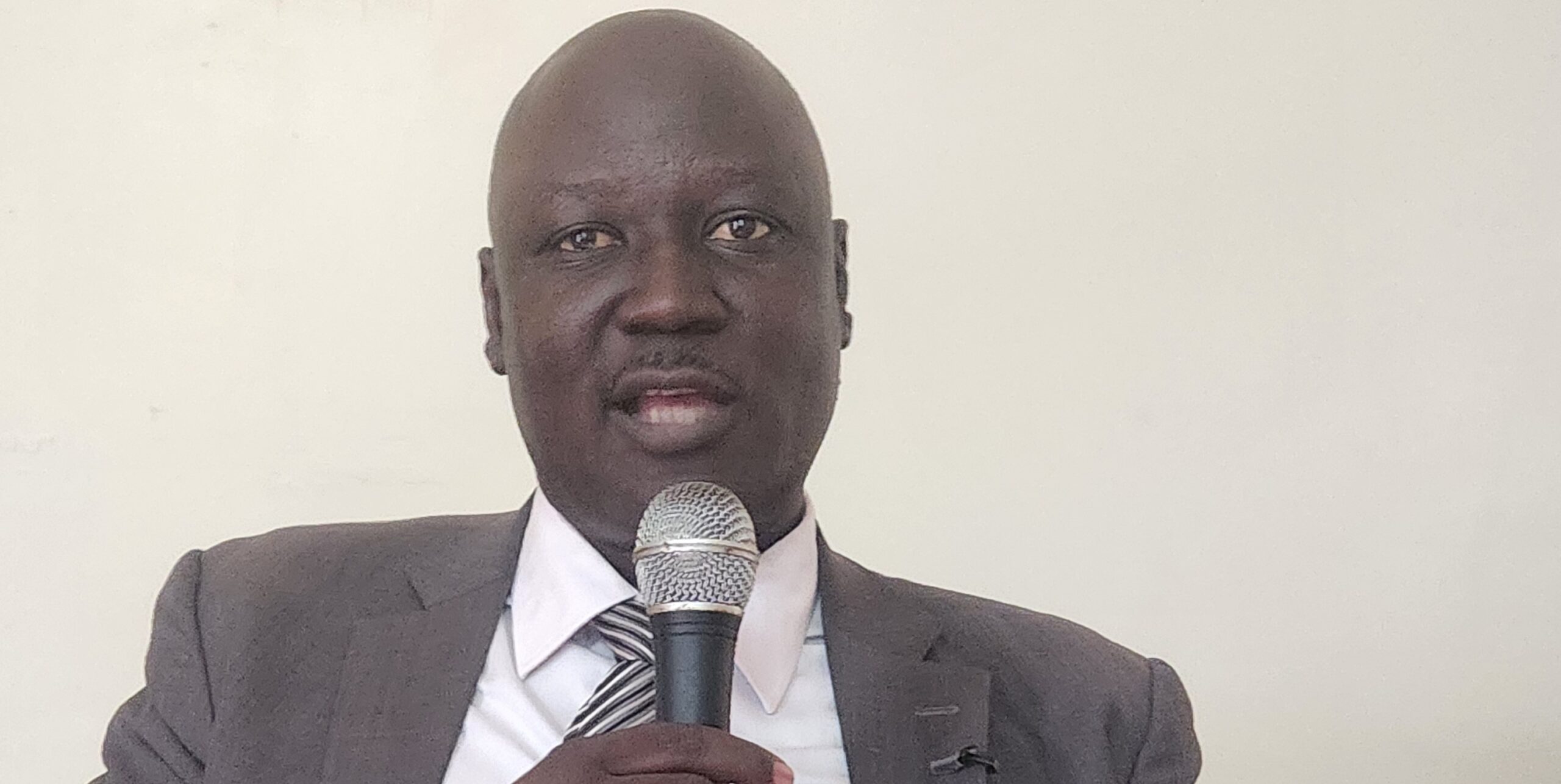
Despite the existence of progressive legislation designed to safeguard fundamental liberties, South Sudan faces significant hurdles in the practical implementation of its media laws, according to leading figures in the country's journalistic community. Oyet Patrick Charles, who presides over the Union of Journalists of South Sudan (UJOSS), highlighted that security measures and divergent interpretations of legal frameworks actively undermine the rights enshrined in the transitional constitution and other statutes. This creates a challenging environment where the spirit of the law is often at odds with its application, leading to widespread South Sudan freedom of expression restrictions.
Journalists frequently encounter obstacles even when attempting to exercise their basic right to assemble. For instance, UJOSS is compelled to secure a 'letter of no objection' from the Media Authority before convening meetings. This clearance process is reportedly intertwined with the National Security Service (NSS), effectively subjecting journalists' organizational activities to government scrutiny. The reach of these restrictions has, at times, extended beyond political engagements, with security clearances reportedly required even for private social gatherings like marriage ceremonies.
Further illustrating the selective application of rights, Charles noted that demonstrations supporting governmental positions are treated distinctly from protests addressing issues such as governance failures, escalating prices, or unpaid salaries. He cited instances where members of the Peoples Coalition for Civil Action (PCCA) were arrested following plans for demonstrations, and journalists covering protests faced detention. These examples underscore the practical discrepancies between constitutional guarantees and their restrictive enforcement, particularly concerning public discourse.
Discrepancies in Legal Interpretation and Enforcement
Ayaa Irene Lokang, Executive Director of the Association for Media Development in South Sudan (AMDISS), echoed concerns about the gap between the nation's progressive laws and their problematic interpretation and enforcement. She pointed out that conflicting legal interpretations have generated considerable difficulties for both civil society and media organizations operating within the country. This ambiguity has led to situations where institutions appear to exploit legal loopholes to avoid accountability, according to Lokang.
One notable example involves the suspension of both AMDISS and UJOSS over their registration status with the Media Authority. Lokang recounted how a legal professional initially advised AMDISS that registration under the Media Authority Act was not a requirement, only for the same lawyer to later provide a different interpretation of the law to the Media Authority. This AMDISS Media Authority registration dispute highlights the fluid and often contradictory legal landscape that media organizations must navigate.
Another area of concern is South Sudan journalist accreditation requirements. Despite the Media Authority Act not mandating journalist registration, accreditation has increasingly become a prerequisite for covering official events. Journalists lacking this accreditation risk exclusion, as demonstrated by a recent Ministry of Information event where only accredited journalists were reportedly invited. This informal requirement effectively creates an additional barrier to reporting, further complicating South Sudan media law implementation challenges.
Heightened Risks Ahead of Elections
The current environment of media restrictions and inconsistent legal application is particularly alarming as South Sudan approaches its elections, scheduled for December 22, with approximately three months remaining on the timeline. This climate of fear discourages open discussion about the upcoming polls among the populace and compels journalists to exercise extreme caution regarding their publications. Charles himself noted that colleagues had advised him against publishing opinion articles on the elections due to potential repercussions.
Reflecting on the state of affairs, Charles rated both freedom of assembly and association, as well as freedom of expression, at a low two out of ten, attributing this poor score to the inadequate implementation of otherwise sound laws. Lokang further connected restrictions on freedom of movement to the broader issue of freedom of expression, observing that individuals who openly criticize authorities are more prone to facing such limitations. She cited restrictions imposed on Vice President Rebecca N, illustrating how even high-ranking officials can be affected.
This pervasive atmosphere of self-censorship and informal control, often linked to National Security Service media oversight SS, significantly impedes the free flow of information essential for a healthy democracy, especially during a critical pre-election period. The practical discrepancies between constitutional rights and their restrictive enforcement necessitate a careful approach for any organization engaged in public discourse within South Sudan.
Practical Implications
Lawyers advising media or civil society organizations in South Sudan must be aware of the significant practical discrepancies between constitutional rights and their restrictive enforcement. This necessitates advising clients on navigating informal requirements and assessing heightened risks for public discourse, particularly pre-election.
Source
How does this affect you?
Get an AI analysis of this article grounded in your jurisdictions, practice areas, and any policy documents you've uploaded to Wansom.
Finish Reading the Full Story and the Expert Analysis.
Wansom is AI and can make mistakes.