
South Sudan Elections Unlikely as Academics Cite Legal, Administrative Hurdles
Summary
- Two University of Juba experts express strong doubts about South Sudan's general elections occurring on December 22.
- Concerns include administrative shortcomings, legal uncertainties, insecurity, and incomplete implementation of the 2018 peace agreement.
- The 2026 amendments to the Election Act 2012 are not publicly available, raising questions about legal compliance.
- The process for constitutional amendments linked to the peace agreement is also challenged due to alleged lack of signatory participation.
- Elections conducted in violation of the Constitution and National Elections Act could be deemed null and void, impacting national stability and international standing.
Mounting Doubts Over December Elections
Any elections conducted in violation of the Constitution and the South Sudan National Elections Act would inherently be considered null and void.
Two prominent academics from the University of Juba have expressed significant reservations regarding the feasibility of holding general elections in South Sudan on the scheduled date of December 22. Their concerns stem from a confluence of administrative deficiencies, persistent legal ambiguities, ongoing insecurity, and the incomplete execution of the nation's 2018 peace accord. These challenges collectively cast a shadow over the country's preparedness for the upcoming polls.
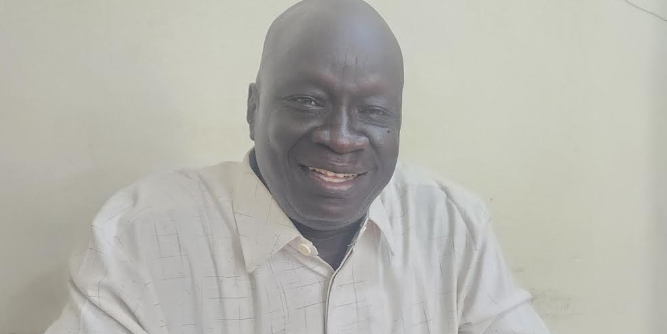
Professor Abraham Kuol Nyuon, a political science expert, suggested that the elections are unlikely to proceed as planned, anticipating a potential delay of two to three months. He attributed this prospective postponement to what he described as insufficient preparations by the National Elections Commission (NEC). While the NEC's launch of civic education initiatives initially raised public expectations for the South Sudan December elections, Professor Nyuon questioned the actual effectiveness of these efforts, particularly in reaching voters beyond the capital, Juba, despite visible promotional posters within the city.
Dr. Geri Raymondo, a law lecturer and legal expert at the University of Juba, echoed these concerns, emphasizing that the hurdles extend beyond mere logistical arrangements. Dr. Raymondo pointed to unresolved constitutional questions, the prevailing insecurity, and incomplete security sector reforms as critical issues impacting the country's readiness. Both experts highlighted that elections constitute an intricate process, not merely a single day of voting, with Professor Nyuon specifically noting apparent unpreparedness by the commission regarding logistical arrangements and voter registration, despite the looming deadline. The experts offered differing accounts on the status of voter registration, with Dr. Raymondo indicating it had occurred but questioning the broader implementation of electoral preparations, while Professor Nyuon maintained that voter registration remained outstanding. The National Elections Commission's official stance on this matter was not available during the interviews.
Uncertain Legal Framework
A significant South Sudan December elections legal hurdle identified by Dr. Raymondo pertains to the legislative framework governing the polls. He raised alarms about the 2026 amendments to the Election Act 2012, noting that these crucial changes have not been made publicly accessible, despite the impending election date. This lack of transparency regarding the amended legislation raises questions about the confidence with which the electoral process can proceed, potentially impacting the South Sudan election validity.
Furthermore, Dr. Raymondo challenged the procedural integrity of the constitutional amendments linked to the peace agreement. He contended that the necessary participation and approval from all signatory parties were not secured during this amendment process. Specifically, he referenced Article 8.4 of the Revitalised Agreement on the Resolution of the Conflict in South Sudan, which mandates approval by two-thirds of the relevant members of the national government and the agreement's monitoring body. The alleged non-participation of some signatories in this process introduces serious questions regarding compliance with both the peace agreement and the overarching constitutional framework.
While these specific claims regarding the amendments and their adoption process could not be independently verified through the interviews, they underscore a critical need for clarification from the pertinent authorities. Professor Nyuon also acknowledged the amended election law, noting that it has been a subject of disagreements, further highlighting the contentious nature of the legal preparations for the South Sudan constitutional amendments elections.
Constitutional Compliance and Potential Invalidity
The legal expert, Dr. Raymondo, issued a stark warning regarding the potential consequences of proceeding with elections under the current legal ambiguities. He asserted that any elections conducted in violation of the Constitution and the South Sudan National Elections Act would inherently be considered null and void. This pronouncement carries significant weight, suggesting that the entire electoral outcome could be legally challenged if procedural and constitutional requirements are not rigorously met.
Such a disputed electoral process would have far-reaching implications beyond the immediate election results. Dr. Raymondo cautioned that it could severely damage South Sudan's international standing and erode public confidence in democratic institutions. The integrity of the South Sudan election challenges 2024 hinges on strict adherence to established legal and constitutional norms, making the current lack of clarity a critical concern for the nation's stability and future.
Practical Implications
Lawyers and compliance officers in South Sudan should closely monitor the legal and constitutional validity of the upcoming elections, particularly regarding the publicly unavailable amended Election Act and the process of constitutional amendments. Non-compliance with the Constitution and National Elections Act could render election results null and void, creating significant legal and political instability that may impact business operations and client interests.
Source
How does this affect you?
Get an AI analysis of this article grounded in your jurisdictions, practice areas, and any policy documents you've uploaded to Wansom.
Wansom is AI and can make mistakes.