
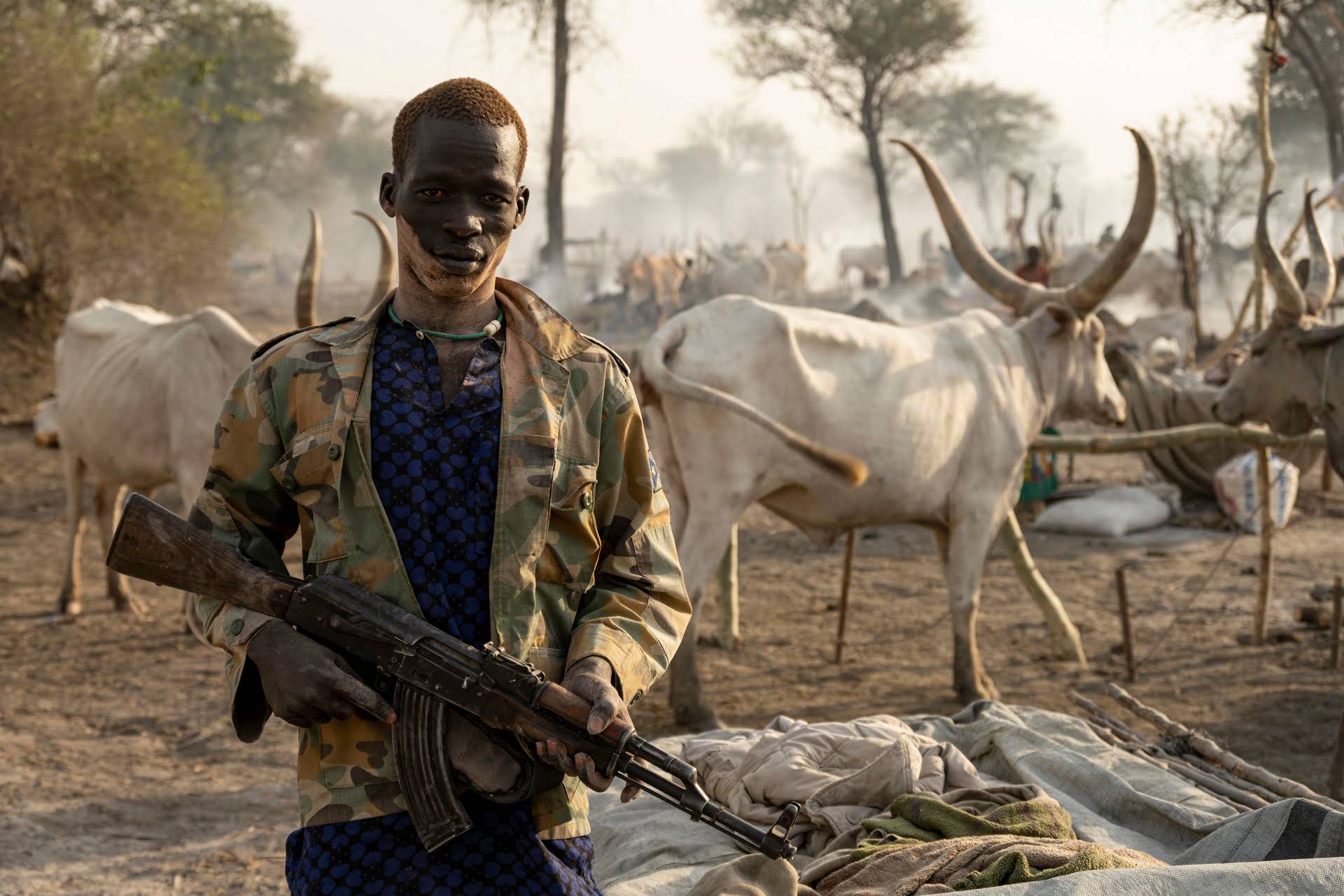
Terekeka County: Civilian Gun Ban Enacted Across All 10 Payams
Summary
- Terekeka County in Central Equatoria State has officially banned civilian firearm possession.
- The prohibition aims to enhance security, uphold the rule of law, and reduce violent disputes related to cattle and marriages.
- Commissioner Emmanuel Loku Lodu confirmed the gun order applies across the county, including highways, ten payams, and county headquarters.
- Violators of the Terekeka firearms prohibition will face a substantial fine of SSP 500,000 and six months imprisonment.
- Security organs have been directed to strictly enforce the new South Sudan gun possession law.
New Civilian Gun Ban in Terekeka County
The established penalties include a substantial fine of SSP 500,000, alongside a custodial sentence of six months.
The authorities in Terekeka County, a region situated within Central Equatoria State, have recently enacted a comprehensive prohibition against the possession of firearms by civilians. This significant directive, which aims to bolster public safety and reinforce the rule of law, was officially announced by Emmanuel Loku Lodu, who serves as the Commissioner for Terekeka County. Commissioner Lodu confirmed the new regulation on Friday, explicitly stating that no citizen is permitted to own or carry a gun anywhere within the county's administrative boundaries. This measure marks a decisive step by local governance to address long-standing security concerns.
Rationale and Scope of the Prohibition
The primary motivations underpinning this stringent new measure are multifaceted, focusing intently on the promotion of overall security, the reinforcement of legal frameworks, and the effective containment of violent conflicts. Specifically, the ban directly targets disputes that frequently escalate due to the presence of civilian-owned firearms, particularly those arising from cattle-related issues and marital disagreements. These types of conflicts have historically led to significant unrest and violence within the community. The prohibition's reach is extensive, applying across all ten administrative divisions, known as payams, within Terekeka County, as well as its central headquarters. Crucially, it also extends to all major highways that traverse the area, including the vital Juba-Bahr El Ghazal Road. This broad application is designed to prevent individuals from openly carrying weapons in public spaces, especially where such actions might be perceived as an unauthorized assumption of the duties typically performed by official organized security forces.
Enforcement and Penalties
Commissioner Lodu has issued explicit directives to the county's security organs, instructing them to ensure the rigorous and consistent implementation of this new order. The directive underscores a firm, zero-tolerance approach to any non-compliance. Individuals discovered in violation of this civilian firearms prohibition will face severe legal repercussions, demonstrating the authorities' commitment to upholding the ban. The established penalties for such infractions are substantial: violators will incur a significant fine of SSP 500,000, in addition to a custodial sentence of six months. This clear articulation of consequences is intended to act as a powerful deterrent against unauthorized gun possession and to ensure adherence to the new security measures.
Broader Context and Impact
The decision to implement such a comprehensive ban holds particular significance given Terekeka County's critical geographical position. The Juba-Bahr El Ghazal Road, recognized as both a busy and the longest internal transportation artery, passes directly through the heart of the county. This essential route serves as a pivotal link, connecting the Bahr El Ghazal region, extending through parts of Upper Nile via Unity State, and reaching into Sudan’s border states, including South Darfur, West Kordofan, and East Darfur State. Authorities have cited historical observations where civilians, often armed with illegal weapons, have unlawfully intervened in local misunderstandings and marriage disputes. These interventions have sometimes led to chaotic and violent scenes, such as instances where brothers have used guns at social gatherings when a sister attends a dance. This broader context of regional connectivity and past incidents of armed civilian interference underscores the urgent necessity of these new gun control measures, aiming to restore order, prevent further violence, and ensure the safety of all residents and travelers.
Practical Implications
Lawyers with clients residing or operating in Terekeka County, South Sudan, must advise them immediately on the new prohibition against civilian firearm possession. This order carries severe penalties, including a 500,000 SSP fine and six months imprisonment, necessitating a review of personal conduct and security protocols for affected individuals and entities.
Source
How does this affect you?
Get an AI analysis of this article grounded in your jurisdictions, practice areas, and any policy documents you've uploaded to Wansom.
Finish Reading the Full Story and the Expert Analysis.
Wansom is AI and can make mistakes.