
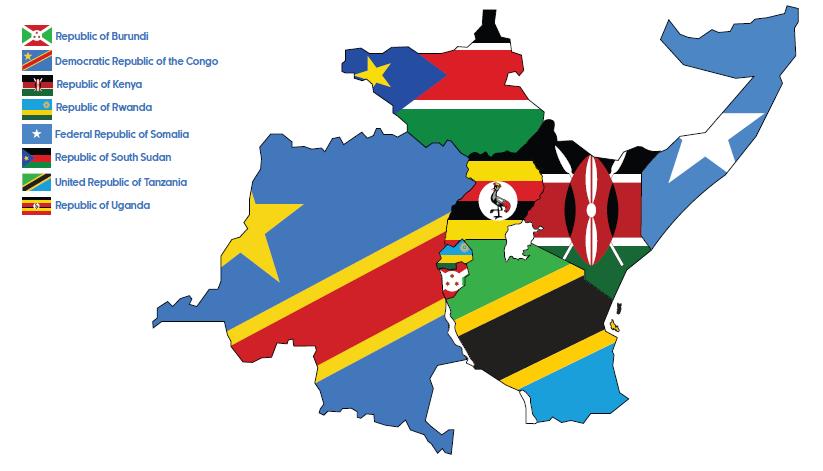
South Sudan: Launches National EAC Political Confederation Consultation
Summary
- South Sudan is initiating national consultations on the proposed political confederation of the East African Community (EAC).
- Announced by Undersecretary Kawaja Kaw Madol, the consultations will begin in Juba on September 23 and then move to selected states.
- Discussions will cover the confederation's structure, governance, decision-making, authority, constitution, and funding arrangements.
- The process is designed to be inclusive, engaging political leadership, civil society, youth, women, and academia from across the nation.
- Citizens are encouraged to actively participate and express their opinions on the desired future of the East African Community.
South Sudan Initiates EAC Confederation Talks
These consultations represent a critical opportunity for South Sudanese citizens to directly influence the future shape and direction of the East African Community.
The Government of South Sudan is embarking on a significant national initiative, launching comprehensive consultations regarding the proposed political confederation of the East African Community (EAC). This crucial undertaking aims to gather the perspectives of its citizens on the fundamental aspects of a future confederation, including its structural framework, governance mechanisms, and the scope of its powers. The announcement was made by Kawaja Kaw Madol, the Undersecretary in the South Sudan EAC affairs ministry, during a press briefing on Friday.
These vital South Sudan EAC political confederation consultation sessions are slated to commence in the capital, Juba, on September 23. Following the initial phase in Juba, the consultative process will extend its reach to various selected states across the nation, ensuring a broader representation of public opinion. Madol underscored the primary objective of these engagements, stating that they are designed to inform the populace about the impending national dialogue on the EAC's political confederation.
Defining the Future EAC Governance Structure
The discussions during these consultations will delve into several pivotal areas concerning the proposed East African Community political confederation. Participants will be invited to share their insights on the potential structure of such a confederation and, critically, how member states would effectively cooperate under a unified confederal leadership. Key topics also include the decision-making processes within the confederal framework and the precise authority that would be vested in its leadership.
Furthermore, the agenda encompasses detailed discussions on the constitutional underpinnings, the overall governance model, and the financial arrangements necessary to sustain a future confederated East African Community. To facilitate these in-depth exchanges, experts drawn from all EAC member states will actively engage with South Sudanese citizens, seeking their informed opinions on these complex and far-reaching aspects of the EAC confederation governance structure.
Broadening Participation Across the Nation
A cornerstone of this consultation process is its commitment to inclusivity, ensuring that a wide array of voices contributes to shaping South Sudan's stance on the EAC's future. The initial phase in Juba will bring together the nation's political leadership, alongside representatives from civil society organizations, youth groups, women's associations, and the academic community. This broad engagement in the capital is designed to capture diverse viewpoints from influential sectors.
Following the Juba sessions, the South Sudan national consultations EAC will expand geographically to specific states, including Central Equatoria, Jonglei, Western Bahr Ghazal, and Lakes State. While these states are specifically targeted for public consultations, the Ministry of East African Community Affairs has affirmed that participants from the remaining states and the three administrative areas will also be generated and included in the dialogue. This comprehensive approach aims to ensure that no segment of the South Sudanese population is overlooked in this crucial national discourse.
Shaping the East African Community's Future
Kawaja Kaw Madol has passionately urged all South Sudanese citizens to seize this unique opportunity to actively participate in the consultations and articulate their vision for the East African Community. He emphasized that as an integral member of the EAC, South Sudan's input is invaluable in determining the community's future trajectory. These consultations represent a critical opportunity for South Sudanese citizens to directly influence the future shape and direction of the East African Community.
The Undersecretary also extended a call to the media, encouraging their active involvement in the consultation process. Their role is deemed crucial in disseminating information widely and ensuring that the public is well-informed about the exercise, thereby fostering greater participation and understanding. This collective engagement is expected to contribute significantly to defining the kind of East African Community that South Sudanese citizens aspire to see.
Practical Implications
Lawyers advising clients with regional interests in the EAC should closely monitor these consultations as they will shape the future legal and regulatory landscape, potentially impacting cross-border trade, investment, and governance structures within the community.
Source
How does this affect you?
Get an AI analysis of this article grounded in your jurisdictions, practice areas, and any policy documents you've uploaded to Wansom.
Finish Reading the Full Story and the Expert Analysis.
Get the latest legal & regulatory intelligence in South Sudan
Wansom is AI and can make mistakes.