
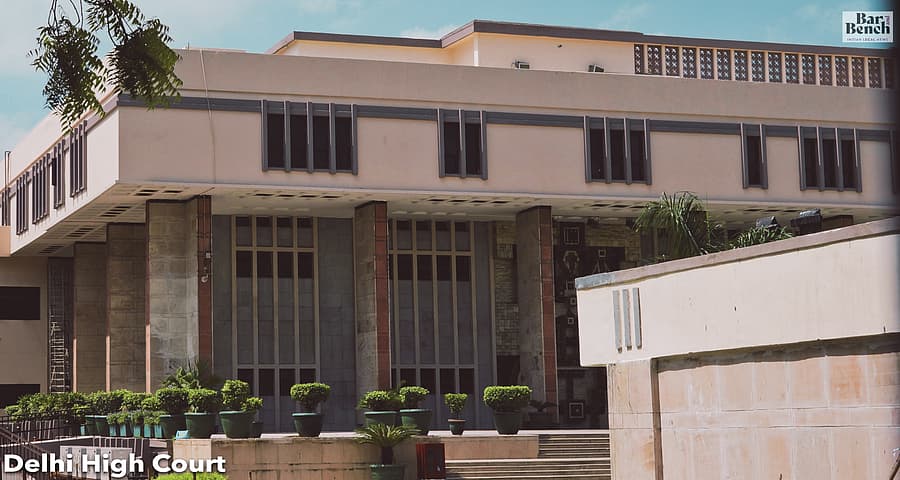
Delhi High Court: Satya Niketan Building Collapse PIL Seeks Audit, Compensation
Summary
- The Delhi High Court has agreed to hear a Public Interest Litigation (PIL) regarding a multi-storey PG building collapse in Satya Niketan.
- Filed by Aniket Kumar Gupta, the PIL seeks ₹1 crore compensation for victims' families and a structural audit of all PGs and hostels in Delhi.
- At least six people died in the collapse near Delhi University’s South Campus, with an FIR registered against the PG operator.
- The petition raises questions about the legality of renovation work, structural integrity, fire safety compliance, and official inspections.
- The urgent hearing before Chief Justice DK Upadhyay and Justice Tejas Karia highlights the court's immediate attention to building safety in Delhi.
Delhi High Court to Hear Plea on Building Collapse
This legal challenge could significantly influence future building safety compliance and regulatory oversight for student accommodations across Delhi.
The Delhi High Court has agreed to hear a Public Interest Litigation (PIL) concerning the recent collapse of a multi-storey Paying Guest (PG) building in Satya Niketan, located in South West Delhi. This significant development follows a tragic incident near Delhi University’s South Campus, where at least six individuals lost their lives when the structure gave way.
The PIL, filed by Aniket Kumar Gupta, seeks substantial relief for the victims' families, specifically requesting ₹1 crore in compensation. Beyond individual redress, the petition calls for a comprehensive structural audit of all PG accommodations and hostels operating throughout the city, aiming to prevent similar catastrophes in the future. The urgency of the matter was underscored when the plea was mentioned for an immediate hearing before a bench comprising Chief Justice DK Upadhyay and Justice Tejas Karia.
Authorities have already registered an FIR against the individual responsible for operating the collapsed PG accommodation. The court's decision to entertain this PIL signals a potential for increased scrutiny over the safety and regulatory compliance of such establishments, particularly those catering to students in densely populated areas like Satya Niketan.
Allegations of Non-Compliance and Structural Concerns
The petition highlights preliminary reports suggesting that repair, renovation, or construction-related work was allegedly underway in the building immediately prior to its collapse. This crucial detail forms the basis for a series of pointed questions raised within the PIL regarding the legality and safety protocols surrounding the structure.
Aniket Kumar Gupta's PIL specifically challenges several aspects of the building's operation and maintenance. These include the legality of the work being conducted, the overall structural integrity of the premises, adherence to sanctioned building plans, and whether its use as a PG or hostel was compliant with regulations. Further concerns are raised about the existence of necessary structural stability certifications, compliance with fire safety standards, and the adequacy of inspections carried out by relevant statutory authorities.
The petitioner is not only seeking compensation but also demanding an independent and thorough investigation into the root causes of the collapse. This investigation is intended to scrutinize the roles of all parties involved, including the owners, builders, contractors, architects, structural engineers, individuals engaged in renovation work, and the public authorities tasked with oversight.
Wider Safety Scrutiny for Delhi's Hostels
The Satya Niketan building collapse Delhi HC PIL extends beyond the immediate incident, aiming to instigate a city-wide review of safety standards for student housing. The demand for a structural audit of all PGs and hostels across Delhi underscores a broader concern about building safety compliance, particularly in areas with high concentrations of student accommodations.
This legal challenge could significantly influence future building safety compliance and regulatory oversight for student accommodations across Delhi. Lawyers advising property owners, developers, or operators of PGs and hostels in the capital should closely monitor the progress of this PIL. Its outcome could lead to increased regulatory scrutiny, stricter compliance requirements for structural integrity and fire safety, and potentially set new precedents for liability and compensation claims in building collapse incidents. The Delhi High Court's willingness to hear this matter urgently, with Chief Justice DK Upadhyay and Justice Tejas Karia presiding, indicates the gravity with which these issues are being considered.
Practical Implications
Lawyers advising property owners, developers, or operators of PGs/hostels in Delhi should monitor this PIL closely, as it could lead to increased regulatory scrutiny, stricter compliance requirements for structural integrity and fire safety, and set precedents for liability and compensation claims in building collapse incidents.
Source
How does this affect you?
Get an AI analysis of this article grounded in your jurisdictions, practice areas, and any policy documents you've uploaded to Wansom.
Finish Reading the Full Story and the Expert Analysis.
Wansom is AI and can make mistakes.