
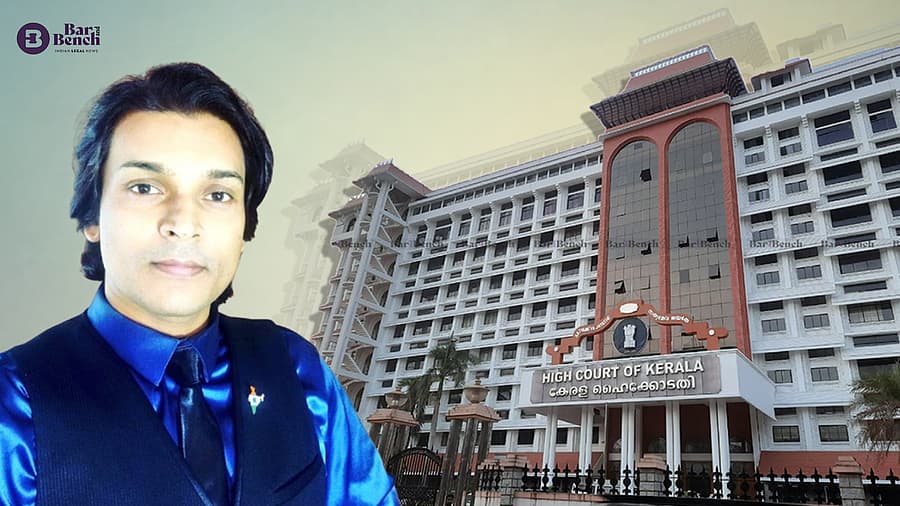
Rahul Easwar Sabarimala Derogatory Remarks: Kerala HC to Hear Content Removal Plea
Summary
- Rahul K Easwar has petitioned the Kerala High Court to remove an alleged derogatory video by Sunny M Kapikad concerning Sabarimala deities.
- Easwar seeks directions for State authorities to block and disable public access to the social media content.
- Justice G Girish of the Kerala High Court has scheduled the matter for September 10, following an allowed application for plea amendment.
- The court previously directed the Public Prosecutor to obtain instructions from State authorities and Cyber Crime Police Station on August 31.
- Notices were issued to Meta Platforms (via email/standing counsel) and Sunny M Kapikad (via special messenger) on August 31.
Activist Seeks Removal of Allegedly Derogatory Content
Easwar's legal challenge centers on an alleged objectionable video circulating on social media, which he claims contains these remarks.
Right-wing activist and public commentator Rahul K Easwar has initiated legal action in the Kerala High Court, seeking the removal of content he deems derogatory towards Sabarimala deities. The petition specifically targets remarks allegedly made by Dalit activist Sunny M Kapikad concerning Lord Ayyappa and Malikappurathamma. Easwar's legal challenge centers on an alleged objectionable video circulating on social media, which he claims contains these remarks.
The core of Easwar's plea is a request for the State authorities to take decisive action. He is asking the court to issue directions that would lead to the removal, blocking, and disabling of public access to the video in question. This move underscores a growing trend of individuals and groups leveraging legal channels to address content perceived as offensive, particularly when it touches upon religious sentiments in India.
Kerala High Court's Procedural Directives
The matter recently came before Justice G Girish at the Kerala High Court, who indicated that the case would be listed for further hearing on September 10. This scheduling follows an application by Easwar for a correction to his prayer, which the court has allowed. Justice Girish orally observed that the Registry would be responsible for carrying out the necessary corrections to the plea.
During the proceedings, the court also noted that the procedural steps for issuing formal notices had not yet been completed. Counsel representing Rahul Easwar subsequently requested that the case be posted on Thursday to consider both the main plea and the interim relief sought by the petitioner. In response, the court confirmed its decision to post the matter to September 10, allowing time for the procedural aspects to be addressed.
Previous Court Actions and Notice Issuance
Prior to the recent hearing, the Kerala High Court had already taken preliminary steps in the case. On August 31, the court issued a directive to the Public Prosecutor, instructing them to obtain instructions from both the State authorities and the Cyber Crime Police Station. This earlier order also included the issuance of notices to two key parties: Meta Platforms, the parent company of various social media platforms, and Sunny M Kapikad himself.
The court specified the methods for serving these notices. Meta Platforms was permitted to receive its notice either through email or via its standing counsel, acknowledging the practicalities of serving large technology companies. For Sunny M Kapikad, the court allowed the notice to be served through a special messenger, ensuring direct communication regarding the allegations. These actions highlight the court's engagement with the procedural requirements for addressing online content disputes, particularly when social media platforms are involved in cases concerning derogatory content in India.
Practical Implications
This case provides insight into the procedural steps and legal arguments being deployed in India to compel social media platforms to remove content deemed derogatory, particularly concerning religious sentiments. Lawyers advising clients on online content moderation, defamation, or digital rights in India should monitor this case for potential precedents regarding platform liability and the scope of court-ordered content removal.
Source
Source: Original reporting via LiveLaw
How does this affect you?
Get an AI analysis of this article grounded in your jurisdictions, practice areas, and any policy documents you've uploaded to Wansom.
Finish Reading the Full Story and the Expert Analysis.
Wansom is AI and can make mistakes.