
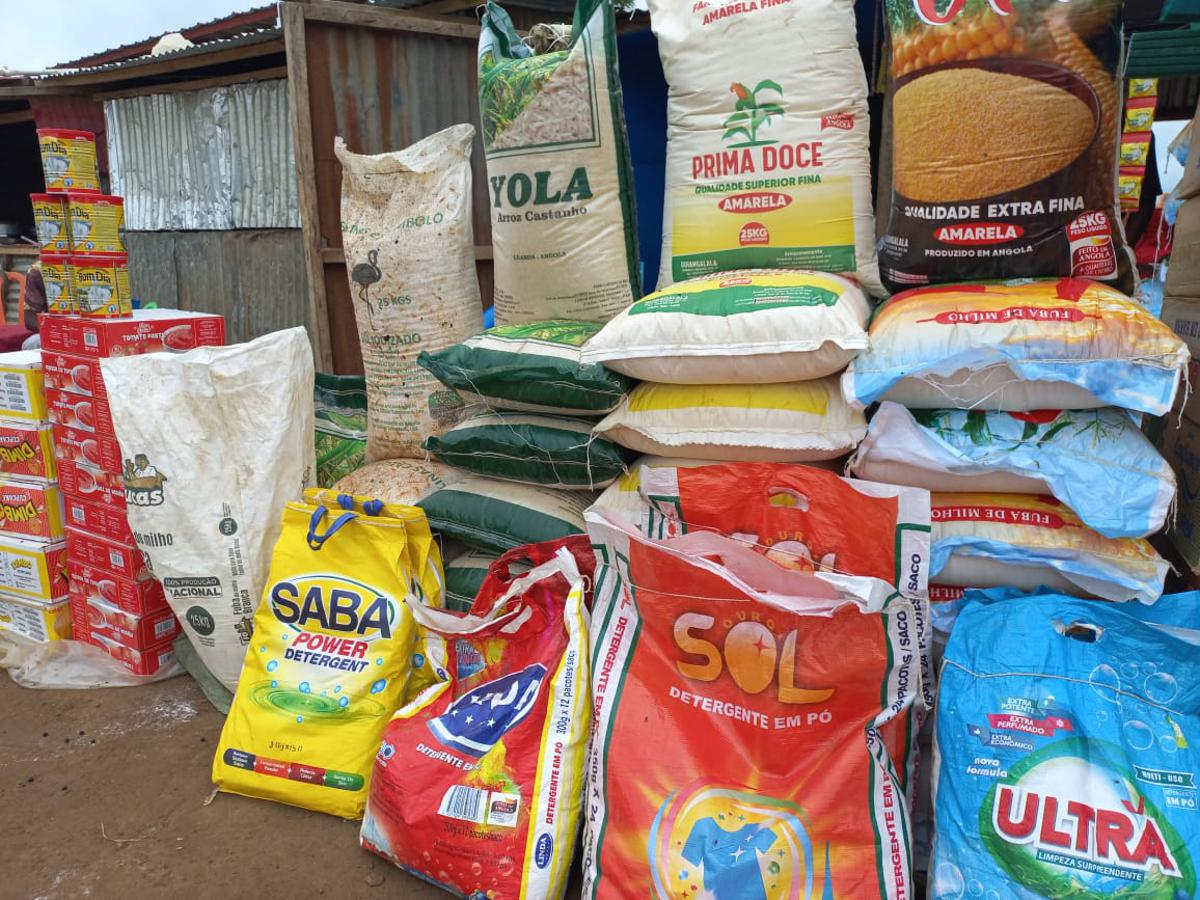
Ron Bimwala Proposition: 1% TVA for RDC Essential Goods
Summary
- National Deputy Ron Bimwala has proposed reducing the Value Added Tax (TVA) to 1% on packaged water, basic foodstuffs, and hygiene products.
- This proposition was made on Friday, October 30, during the examination of the 2027 finance bill project in the National Assembly.
- Bimwala argues that the current tax system increases household expenses for families already facing a rising cost of living.
- The proposed reduction aims to alleviate the financial burden on Congolese households.
- If adopted, this change would require businesses in affected sectors to adjust pricing, supply chain, and tax compliance strategies.
Deputy Bimwala's Tax Reduction Proposal
Lawyers and compliance officers in the DRC are advised to closely monitor the progression of this legislative proposal through the National Assembly.
National Deputy Ron Bimwala has formally advocated for a significant adjustment to the Value Added Tax (TVA) structure in the Democratic Republic of Congo (RDC). His proposition calls for a reduction of the TVA rate to a mere 1% on specific categories of essential goods and services. This includes packaged water, a range of basic foodstuffs, and various hygiene products deemed crucial for daily living.
This pivotal proposal was presented during the ongoing review of the 2027 finance bill project within the National Assembly. The submission of this specific amendment occurred on Friday, October 30, marking a key moment in the legislative process concerning the nation's fiscal direction. The Ron Bimwala proposition TVA 1% RDC aims to recalibrate the tax burden on fundamental consumer items.
Addressing Household Economic Strain
The rationale underpinning Deputy Bimwala's initiative is rooted in a desire to alleviate the financial pressures currently faced by Congolese households. He contends that the existing taxation framework disproportionately inflates the cost of living, thereby exacerbating the economic challenges for families already grappling with escalating expenses across various sectors. The proposed Réduction TVA eau denrées RDC is therefore positioned as a measure of economic relief.
By targeting the TVA produits première nécessité RDC, the deputy seeks to directly impact the purchasing power of citizens. His argument highlights that the current fiscal policies contribute to an increase in household expenditures, making essential goods less accessible for many. This move is designed to mitigate the effects of the rising cost of living that has become a significant concern for the population.
Potential Impact on Businesses and Fiscal Policy
Should the Assemblée Nationale RDC fiscalité adopt Deputy Bimwala's proposition, it would introduce a substantial shift in the country's tax landscape, particularly affecting the 2027 finance bill project. The proposed 1% TVA rate on water, basic foodstuffs, and hygiene products could necessitate significant operational adjustments for businesses operating within these sectors. Companies would need to re-evaluate their pricing strategies, renegotiate supply chain agreements, and update their tax compliance frameworks to align with the new fiscal environment.
Lawyers and compliance officers in the DRC are advised to closely monitor the progression of this legislative proposal through the National Assembly. The potential Impact TVA RDC entreprises could be profound, requiring proactive measures to ensure adherence to revised tax regulations and to manage the financial implications of such a change. This legislative development underscores the dynamic nature of fiscal policy in the RDC and its direct bearing on commercial operations.
Practical Implications
Lawyers and compliance officers in the DRC should closely monitor the progression of the 2027 finance bill through the National Assembly. If Deputy Bimwala's proposal for a 1% VAT on water, basic foodstuffs, and hygiene products is adopted, it will necessitate significant adjustments to pricing strategies, supply chain agreements, and tax compliance frameworks for businesses operating in these sectors.
Source
How does this affect you?
Get an AI analysis of this article grounded in your jurisdictions, practice areas, and any policy documents you've uploaded to Wansom.
Finish Reading the Full Story and the Expert Analysis.
Wansom is AI and can make mistakes.