
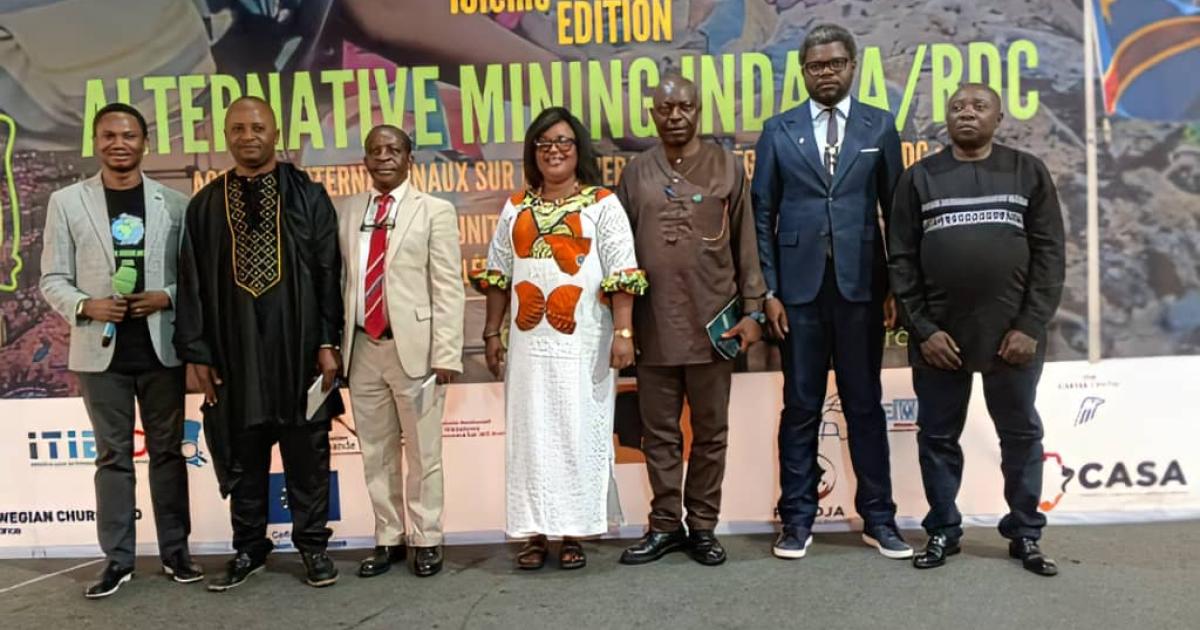
Alternative Mining Indaba: Urges DRC Mining Fiscal Regime Harmonization
Summary
- The 10th Alternative Mining Indaba took place in Lubumbashi, Haut-Katanga province, from October 28 to 30, 2026.
- Civil society actors at the event advocated for the harmonization of fiscal regimes applicable to mining agreements.
- This plea aims to create a more equitable and transparent environment for mining stakeholders in the Democratic Republic of Congo.
- The call for reform highlights concerns over disparate tax burdens and regulatory interpretations within the mining sector.
- Harmonization could lead to significant legislative and policy changes impacting future investment and compliance obligations.
Event Overview
A central theme emerging from the Indaba was the urgent need for a more consistent approach to the fiscal frameworks governing mining agreements.
The 10th edition of the Alternative Mining Indaba (AMI) recently concluded in Lubumbashi, located within the Haut-Katanga province. This significant gathering took place from October 28 to 30, 2026. During the event, a prominent group of civil society actors convened to address critical issues impacting the mining sector in the Democratic Republic of Congo. Their discussions culminated in a unified call for substantial reforms.
A central theme emerging from the Indaba was the urgent need for a more consistent approach to the fiscal frameworks governing mining agreements. Participants specifically advocated for the harmonization of these fiscal regimes, aiming to create a more equitable and transparent environment for all stakeholders involved in the nation's rich mineral resources. This plea underscores a broader desire for greater clarity and fairness in the economic arrangements surrounding mining operations across the country.
Calls for Harmonization
The push for DRC mining fiscal regime harmonization represents a significant development in the ongoing dialogue surrounding the nation's extractive industries. Civil society representatives at the Alternative Mining Indaba Lubumbashi highlighted the complexities and potential inconsistencies that can arise from varied fiscal policies applied to different Congolese mining agreements taxation structures. Their advocacy suggests a belief that a unified system would not only streamline operations but also enhance the benefits derived from mining for the Congolese populace.
Such calls for reform often stem from concerns about disparate tax burdens, varying royalty rates, and differing regulatory interpretations that can characterize a fragmented fiscal landscape. By advocating for harmonization, these actors are implicitly seeking to address potential loopholes, ensure equitable contributions from mining companies, and foster a more predictable investment climate. The focus on Haut-Katanga mining fiscal policy, given the province's significant mineral wealth, suggests a particular interest in ensuring that local communities and the national treasury benefit optimally from resource extraction.
Implications for the Sector
The recommendations put forth by civil society at the Alternative Mining Indaba carry weight, signaling a growing demand for comprehensive DRC mining tax reform. While the event itself serves as a platform for discussion and advocacy, the unified stance on fiscal harmonization could influence future legislative debates and policy decisions within the government. Any move towards standardizing the fiscal regimes applicable to mining agreements would necessitate careful consideration of existing contracts and potential impacts on current and prospective investors.
For entities operating within the Democratic Republic of Congo's mining sector, these calls for harmonization underscore a potential shift in the regulatory environment. Monitoring the progression of these discussions and any subsequent legislative proposals will be crucial for strategic planning and ensuring ongoing compliance. The emphasis on a more coherent fiscal policy framework reflects an evolving landscape where transparency and equitable resource distribution are increasingly prioritized by key stakeholders.
Practical Implications
Lawyers and compliance officers involved in the DRC mining sector should closely monitor legislative developments stemming from calls for fiscal regime harmonization, as potential changes could significantly impact existing mining agreements, future investment strategies, and compliance obligations.
Source
Source: Original reporting via PMaki
How does this affect you?
Get an AI analysis of this article grounded in your jurisdictions, practice areas, and any policy documents you've uploaded to Wansom.
Finish Reading the Full Story and the Expert Analysis.
Wansom is AI and can make mistakes.