
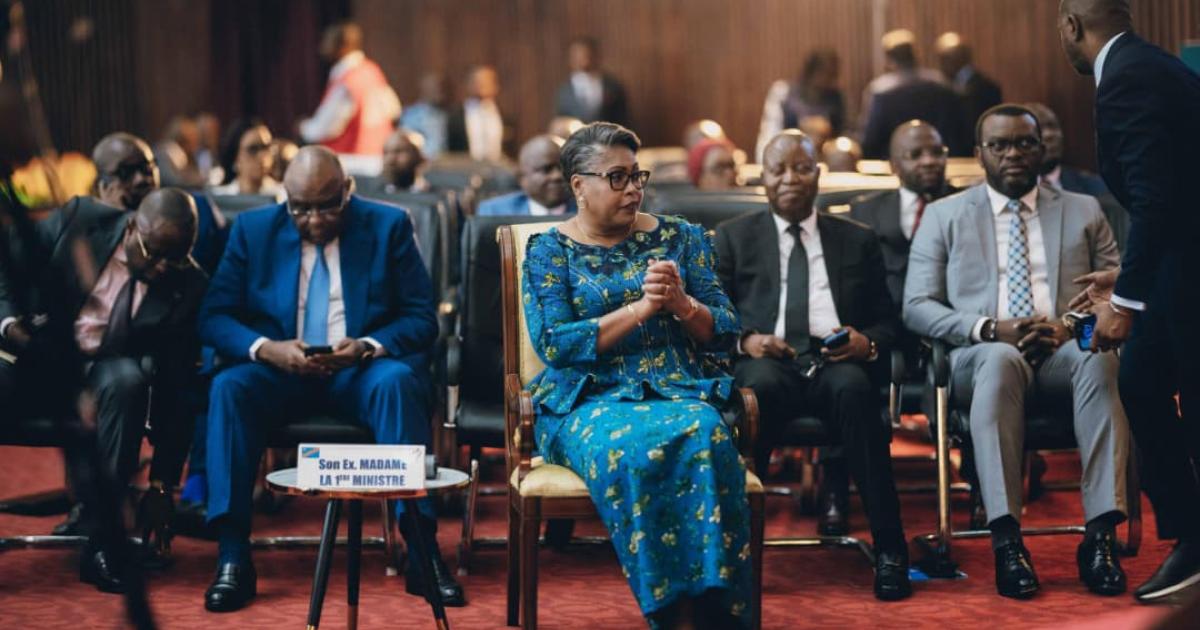
Assemblée Nationale RDC: Declares RDC Projet Loi Finances 2027 Admissible
Summary
- The Democratic Republic of Congo's National Assembly declared the 2027 draft finance bill admissible.
- This procedural step occurred on Friday, October 30.
- The proposed budget for the 2027 fiscal year is estimated at 24.8 billion USD.
- The bill will now proceed through further legislative review and debate within the National Assembly.
What Happened
On Friday, October 30, the legislative body formally declared the draft finance bill for the 2027 fiscal year as admissible.
The legislative body of the Democratic Republic of Congo, the National Assembly, recently took a significant procedural step regarding the nation's financial future. On Friday, October 30, the Assembly officially declared the draft finance bill for the 2027 fiscal year as admissible. This declaration, known as "recevabilité projet loi finances," signifies that the proposed legislation has met the initial formal requirements to proceed through the parliamentary process.
This action by the Assemblée nationale RDC is a foundational moment in the annual budgetary cycle, setting the stage for extensive debate and scrutiny. The formal acceptance of the bill allows it to move past preliminary checks and enter the substantive review phase, where its provisions will be examined in detail by lawmakers.
Financial Scope of the 2027 Budget
The proposed RDC projet loi finances 2027 outlines a substantial financial framework for the upcoming year, with its total value currently estimated at 24.8 billion USD. This figure represents the government's comprehensive plan for both revenue generation and expenditure allocation across various sectors of the economy. It reflects the anticipated financial resources available to the state and how these funds are intended to be distributed to meet national priorities.
This significant sum underscores the scale of the financial operations planned for the Democratic Republic of Congo budget in 2027. The budget aims to address a wide array of national needs, from public services and infrastructure development to social programs and economic stimulus initiatives. The 24.8 billion USD figure will be a central point of discussion as the bill progresses through the legislative stages.
The Legislative Journey Ahead
The declaration of admissibility by the National Assembly does not equate to final approval but rather signals the commencement of the detailed legislative review. Following this initial step, the loi de finances 2027 Congo will undergo rigorous examination by specialized parliamentary commissions. These commissions are tasked with scrutinizing each article, assessing its feasibility, and ensuring its alignment with national objectives and existing legal frameworks.
During this phase, lawmakers will have the opportunity to propose amendments, challenge specific allocations, and engage in robust debate. The process is designed to ensure transparency and accountability in public finance management. Once the commission-level review is complete, the revised bill will then be presented for a plenary session vote by the entire Assemblée nationale RDC, where it must secure a majority to be enacted into law.
Implications for the DRC's Economy
The progression of the RDC projet loi finances 2027 carries profound implications for the economic landscape of the Democratic Republic of Congo. The final approved budget RDC 2027 will dictate the government's fiscal policy, influencing everything from tax rates and public investment to social welfare programs and debt management. Its provisions will directly impact businesses operating within the country, as well as the daily lives of its citizens.
For stakeholders, including investors, businesses, and international partners, monitoring the development of this finance bill is crucial. The budget's structure and priorities will offer insights into the government's strategic direction, potential growth areas, and regulatory changes. The successful passage and implementation of a well-structured budget are vital for fostering economic stability and sustainable development in the DRC.
Practical Implications
Lawyers and compliance officers in the DRC should monitor the progression of the 2027 finance bill through the National Assembly to anticipate potential changes in tax law, fiscal policy, and regulatory requirements that may impact their clients' operations and financial planning.
Source
How does this affect you?
Get an AI analysis of this article grounded in your jurisdictions, practice areas, and any policy documents you've uploaded to Wansom.
Finish Reading the Full Story and the Expert Analysis.
Wansom is AI and can make mistakes.