
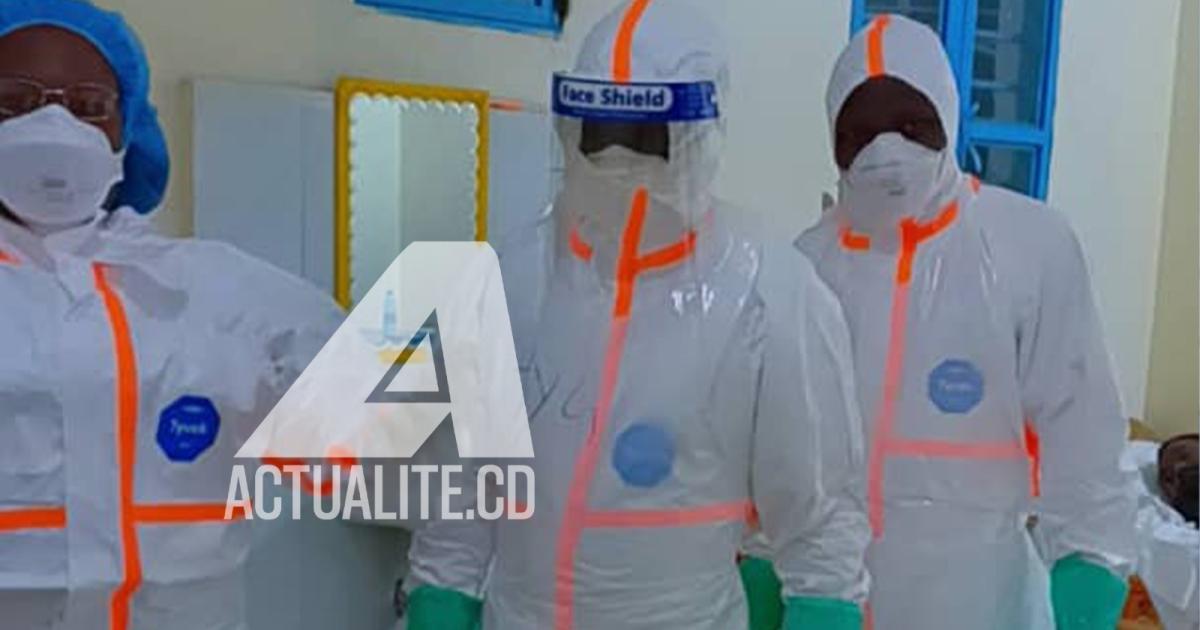
DRC: Ebola Payroll Fraud Investigation Uncovers Unpaid Salaries
Summary
- A three-month investigation uncovered repeated disruptions to the DRC's Ebola response due to health worker strikes over unpaid salaries.
- The inquiry revealed inflated payroll lists and significant financial irregularities within the Ebola response efforts.
- Donor pledges for the Ebola response exceeded 2 billion, yet frontline health workers in Ituri and Nord-Kivu remained unpaid.
- The findings suggest potential fraud and mismanagement of funds intended for critical public health initiatives.
Investigation Uncovers Payroll Fraud
The investigation specifically highlighted the existence of inflated payroll lists, a clear indication of potential fraud and mismanagement of funds intended for the Ebola response.
A three-month investigation has brought to light significant financial irregularities within the Democratic Republic of Congo's (DRC) Ebola response efforts. The inquiry revealed that the critical public health initiative was repeatedly hampered by widespread strikes. These industrial actions were a direct consequence of health workers not receiving their due salaries, despite substantial international funding commitments. The findings point to a systemic issue where promised funds did not reach the frontline personnel.
The investigation specifically highlighted the existence of inflated payroll lists, a clear indication of potential fraud and mismanagement of funds intended for the Ebola response. This practice meant that while donor pledges surpassed 2 billion, a considerable portion of these resources may have been diverted or misused, rather than being allocated to the essential workers on the ground. Such discrepancies underscore serious concerns regarding the oversight and integrity of financial operations within the Congo Ebola response financial irregularities.
The repeated interruptions to the Ebola containment efforts, stemming from these unpaid salaries, posed a severe threat to public health in the affected regions. The integrity of the response was compromised as essential services were disrupted, leaving communities vulnerable. This situation underscores the critical need for robust financial controls and accountability mechanisms in large-scale humanitarian operations, especially when dealing with life-threatening epidemics.
Donor Pledges Versus On-the-Ground Reality
The stark contrast between the significant financial pledges made by international donors and the reality faced by health workers on the front lines of the Ebola crisis in the DRC is a central finding of the recent investigation. While donor promises for the Ebola response collectively exceeded 2 billion, the probe uncovered persistent issues of unpaid salaries for health workers. This disparity suggests a profound breakdown in the disbursement and management of these critical funds, raising questions about Ebola donor funds mismanagement.
The investigation's focus on inflated payrolls further illustrates the depth of the financial irregularities. Such practices can lead to funds being siphoned off through ghost workers or overpayments, directly impacting the resources available for legitimate operational costs and personnel compensation. This pattern of financial misconduct has significant implications for the effectiveness of humanitarian aid and the trust placed in organizations managing these funds.
The findings from this three-month inquiry underscore the urgent need for enhanced transparency and accountability in the handling of international aid. The situation where health workers in Ituri and Nord-Kivu were compelled to strike due to unpaid wages, even as billions were pledged, highlights a critical vulnerability in the system. Addressing these issues is paramount to ensuring that future emergency responses are not undermined by similar Congo health sector corruption.
Regional Impact and Systemic Challenges
The regions of Ituri and Nord-Kivu bore the brunt of these financial irregularities, experiencing repeated disruptions to their Ebola response activities. Health workers in these critical areas, who were essential to containing the deadly virus, frequently resorted to strikes because their salaries went unpaid. These actions directly impeded the efficacy of the public health interventions, prolonging the crisis and endangering more lives. The specific mention of Ituri Nord-Kivu Ebola funding issues points to localized failures in financial administration.
The investigation's revelations about inflated payrolls and unpaid health workers highlight systemic challenges within the DRC's health sector, particularly concerning the management of emergency response funds. Such practices not only undermine the morale and effectiveness of frontline staff but also erode public and international confidence in the overall response. The persistent problem of DRC health worker unpaid salaries suggests a deeper issue of governance and oversight.
This situation serves as a critical reminder for international aid organizations and their legal advisors to rigorously review and strengthen their financial oversight and anti-corruption compliance protocols. Ensuring that donor funds are accurately accounted for and reach their intended beneficiaries, especially local payroll management, is crucial to mitigating risks of fraud and mismanagement in complex operational environments like the DRC.
Practical Implications
Lawyers advising NGOs or international aid organizations operating in the DRC should review their financial oversight and anti-corruption compliance protocols, particularly concerning local payroll management and donor fund disbursement, to mitigate risks of fraud and mismanagement highlighted by this investigation.
Source
How does this affect you?
Get an AI analysis of this article grounded in your jurisdictions, practice areas, and any policy documents you've uploaded to Wansom.
Finish Reading the Full Story and the Expert Analysis.
Wansom is AI and can make mistakes.