
DRC National Assembly: 2027 Finance Bill Declared Receivable
Summary
- The National Assembly of the Democratic Republic of Congo formally accepted the 2027 finance bill on October 31, 2026.
- This declaration of receivability followed a vote by national deputies.
- Prime Minister Judith Suminwa Tuluka addressed deputies' concerns before the parliamentary vote.
- The Écofin Commission has been allocated 20 days to propose amendments to the bill.
- This action marks the official commencement of the legislative review for the DRC's 2027 budget.
Parliamentary Approval of 2027 Finance Bill
The National Assembly of the Democratic Republic of Congo (DRC) has officially declared the "projet de loi de finances pour l’exercice 2027 RDC" receivable, initiating the formal legislative process for the nation's upcoming fiscal year.
The National Assembly of the Democratic Republic of Congo (DRC) has officially declared the "projet de loi de finances pour l’exercice 2027 RDC" receivable, initiating the formal legislative process for the nation's upcoming fiscal year. This critical parliamentary action, which took place on October 31, 2026, signifies that the proposed budget framework is now eligible for detailed examination and debate by the country's elected representatives. The declaration followed a comprehensive session where national deputies engaged with the executive branch regarding the bill's provisions.
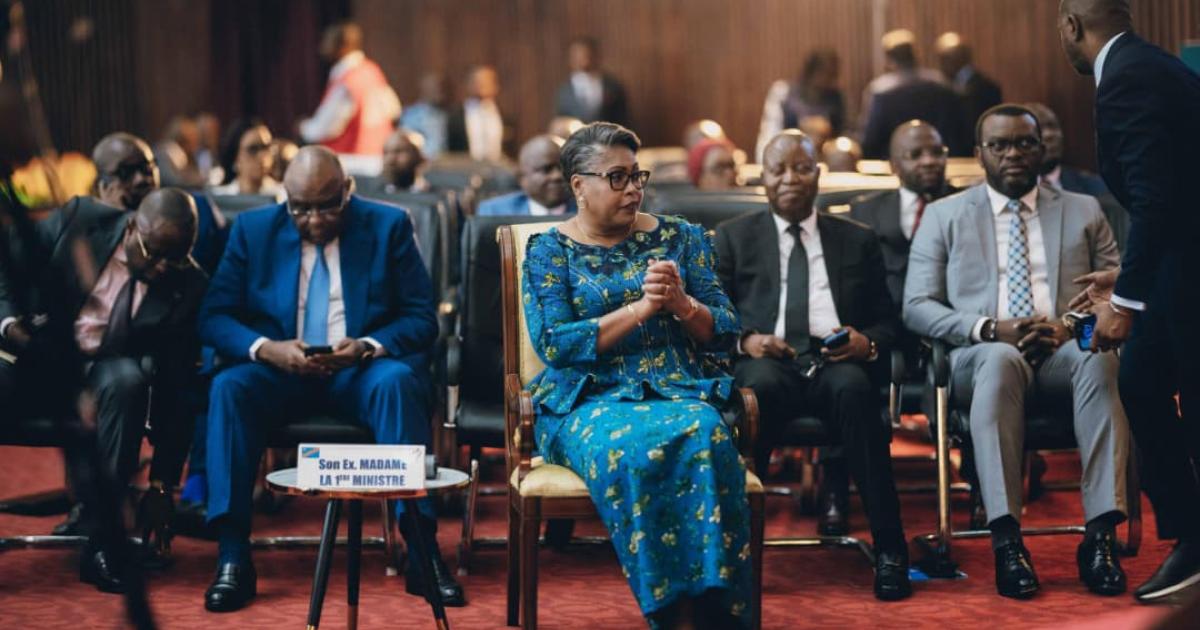
Before the decisive vote by the deputies, Prime Minister Judith Suminwa Tuluka personally addressed a range of questions and concerns put forth by the legislative body members. Her responses were a key component of the process, ensuring that parliamentary inquiries were satisfied before the bill could advance to the next stage of review. This engagement underscores the collaborative, albeit scrutinizing, relationship between the executive and legislative arms of the government in shaping the nation's financial future. The formal acceptance of the "DRC 2027 finance bill declared receivable" marks a pivotal moment in the annual budget cycle.
Next Steps in the Legislative Process
With the 2027 finance bill now formally accepted, the legislative focus shifts to the specialized Écofin Commission within the National Assembly. This commission has been granted a specific window of twenty days to meticulously review the proposed legislation and develop any necessary amendments. This period is crucial for refining the "Congo 2027 budget bill amendments" and ensuring that the final document aligns with the nation's economic objectives and public welfare priorities.
The Écofin Commission's role involves a detailed analysis of the budget's allocations, revenue projections, and expenditure plans. Their work during this twenty-day period will directly influence the final shape of the "République démocratique du Congo loi de finances," as they are tasked with identifying areas for improvement or adjustment. The amendments proposed by this commission will then be presented back to the full National Assembly for further debate and eventual adoption, highlighting the iterative nature of the legislative budget process.
Implications for the DRC's Fiscal Future
The formal declaration of receivability for the 2027 finance bill is a significant procedural milestone, setting the stage for the country's economic direction in the coming year. The engagement of Prime Minister Judith Suminwa Tuluka and the subsequent vote by national deputies underscore the democratic scrutiny applied to the nation's financial planning. This process ensures that the budget reflects both governmental priorities and the concerns of the populace, as represented by their elected officials.
The upcoming work of the Écofin Commission, with its twenty-day mandate for amendments, will be closely watched by various stakeholders, including businesses, civil society organizations, and international partners. The final provisions of the "projet de loi de finances 2027 RDC" will dictate tax policies, public spending, and economic regulations, thereby impacting virtually every sector of the Congolese economy. The timely progression of this bill through the National Assembly is essential for providing clarity and stability for the fiscal year ahead.
Practical Implications
Lawyers and compliance officers in the DRC should closely monitor the ongoing legislative process for the 2027 finance bill, particularly the amendments proposed by the Écofin Commission, as its final provisions will dictate tax obligations, fiscal policies, and potential regulatory changes impacting businesses and individuals in the coming year.
Source
How does this affect you?
Get an AI analysis of this article grounded in your jurisdictions, practice areas, and any policy documents you've uploaded to Wansom.
Finish Reading the Full Story and the Expert Analysis.
Wansom is AI and can make mistakes.