
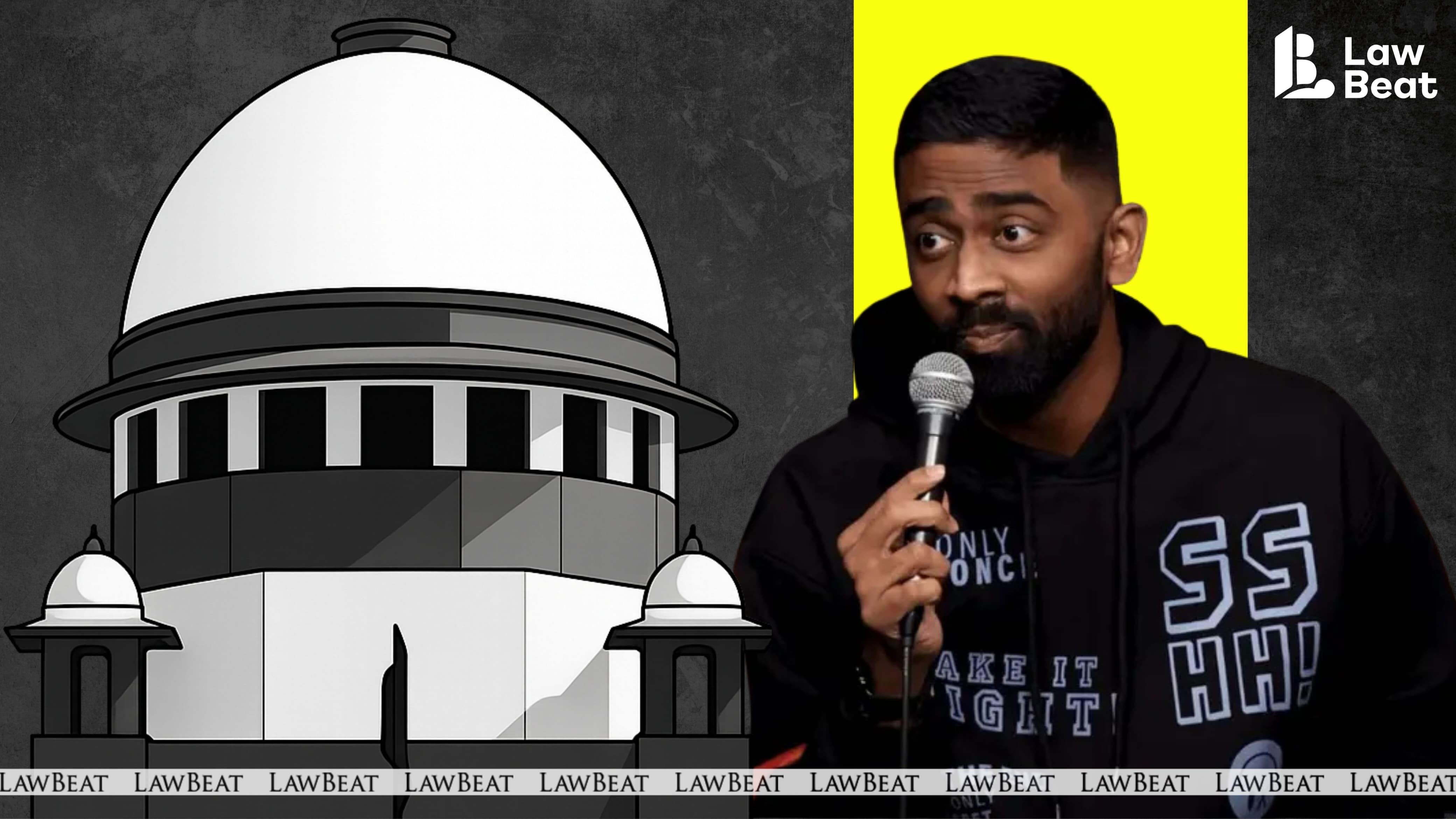
Pranit More: Supreme Court Petition to Club FIRs Over Biryani Row
Summary
- Comedian Pranit More has petitioned the Supreme Court to consolidate multiple FIRs filed against him in Maharashtra and Haryana.
- The FIRs stem from the 'Rs 370 biryani' controversy, involving a misogynistic remark made by an audience member during his stand-up show.
- Cases have been registered under sections of the Bharatiya Nyaya Sanhita and Section 67 of the Information Technology Act.
- The National Commission for Women intervened, stating the remarks glorified coercive behavior and undermined consent.
- More's petition impleads the Union of India and the States of Maharashtra and Haryana, with a listing expected on September 21.
The 'Rs 370 Biryani' Controversy Unfolds
Comedian Pranit More has approached the Supreme Court seeking the consolidation of multiple First Information Reports registered against him in Maharashtra and Haryana, all stemming from the contentious 'Rs 370 biryani' incident.
Comedian Pranit More has found himself at the center of a significant legal challenge, moving the Supreme Court to consolidate multiple First Information Reports (FIRs) filed against him. These legal actions stem from a controversial incident during one of his stand-up performances, now widely known as the 'Rs 370 biryani' controversy. The contentious exchange involved an audience member, Himanshu Jangra, who recounted an anecdote suggesting he expected sexual intimacy in return for spending Rs 370 on chicken during a date.
During the performance in Gurugram, More reacted to Jangra's remark by laughing and labeling it "peak Gurugram content." A video clip of this interaction subsequently went viral, drawing widespread criticism online. Many viewers accused More of trivializing consent and sexual intimacy through his response. The backlash had immediate consequences, with Jangra reportedly losing his employment following the public outcry.
Multi-Jurisdictional Legal and Regulatory Action
The online furor quickly escalated into formal legal proceedings across different states. The Maharashtra Cyber Police registered an FIR against More, Jangra, and another individual, invoking several sections of the recently enacted Bharatiya Nyaya Sanhita (BNS), 2023, specifically Sections 75, 294, 353, and 354. Additionally, Section 67 of the Information Technology Act was applied, targeting the online dissemination of the content. This marked a significant application of new criminal provisions in a case involving online content.
Further compounding the legal landscape, the National Commission for Women (NCW) took cognizance of the viral video. The Commission summoned More and sought action against those involved, asserting that the remarks made during the show appeared to glorify coercive behavior and undermine the fundamental principle of consent. Following the NCW's intervention, the Gurugram Police in Haryana also registered an FIR against both More and Jangra, adding to the comedian's legal entanglements across state lines.
Supreme Court Intervention for Clubbing FIRs
To address the proliferation of legal cases arising from a single incident, Pranit More has now approached the Supreme Court. His petition specifically seeks the clubbing of the FIRs registered against him in both Maharashtra and Haryana. This move aims to consolidate the various complaints into a single legal proceeding, a common strategy when multiple jurisdictions initiate action based on the same set of facts.
More's petition formally impleads the Union of India, along with the States of Maharashtra and Haryana, as parties to the case. The Supreme Court is expected to list the matter for hearing on September 21, where it will consider the request to streamline the legal process for the comedian facing charges under both the Bharatiya Nyaya Sanhita and the IT Act Section 67 comedian FIR context.
Broader Implications for Online Content and Performer Responsibility
The 'Rs 370 Biryani controversy FIRs' have ignited a broader public debate concerning the responsibilities of performers during crowd-work segments and the boundaries of comedy, particularly when it touches upon sensitive topics like consent. Critics have specifically questioned More's conduct, alleging that he amplified objectionable comments and later shared the clip online, further fueling the outrage.
Beyond the legal actions, several organizations have staged protests, demanding accountability and arguing that content trivializing consent should not be defended under the guise of entertainment. Both Pranit More and Himanshu Jangra have since issued public apologies in response to the intense public criticism. This case highlights the increasing scrutiny faced by online content creators and the legal ramifications that can arise from viral incidents, especially with the application of new criminal laws like the Bharatiya Nyaya Sanhita.
Practical Implications
Lawyers should note the Supreme Court's approach to consolidating FIRs arising from a single online incident across multiple states, and the application of new criminal provisions like the Bharatiya Nyaya Sanhita and the IT Act in such multi-jurisdictional cases.
Source
How does this affect you?
Get an AI analysis of this article grounded in your jurisdictions, practice areas, and any policy documents you've uploaded to Wansom.
Finish Reading the Full Story and the Expert Analysis.
Get the latest legal & regulatory intelligence in India
Wansom is AI and can make mistakes.