
MP High Court: Vishnu Barah Mandir Eviction Finalized in 3 Months
Summary
- The Madhya Pradesh High Court has ordered authorities to complete eviction proceedings around the ancient Shri Vishnu Barah Mandir in Jabalpur within three months.
- The directive came in a petition filed in 2018 by Shravan Kumar Soni, who sought removal of "unbridled encroachment" and protection for the monument.
- The court noted that legal actions against encroachers were already underway, following civil court decisions that had resolved possession disputes.
- While setting a strict timeline for eviction, the court left it open for the petitioner to separately pursue a declaration of the monument under the Ancient Monuments and Archaeological Sites and Remains Act, 1958.
- This ruling underscores the judiciary's push for faster resolution of protracted disputes involving public land and heritage sites.
Court Mandates Swift Eviction at Vishnu Barah Mandir
This ruling signals the Madhya Pradesh High Court's intent to expedite the resolution of long-standing encroachment disputes around protected monuments, setting a three-month deadline for authorities.
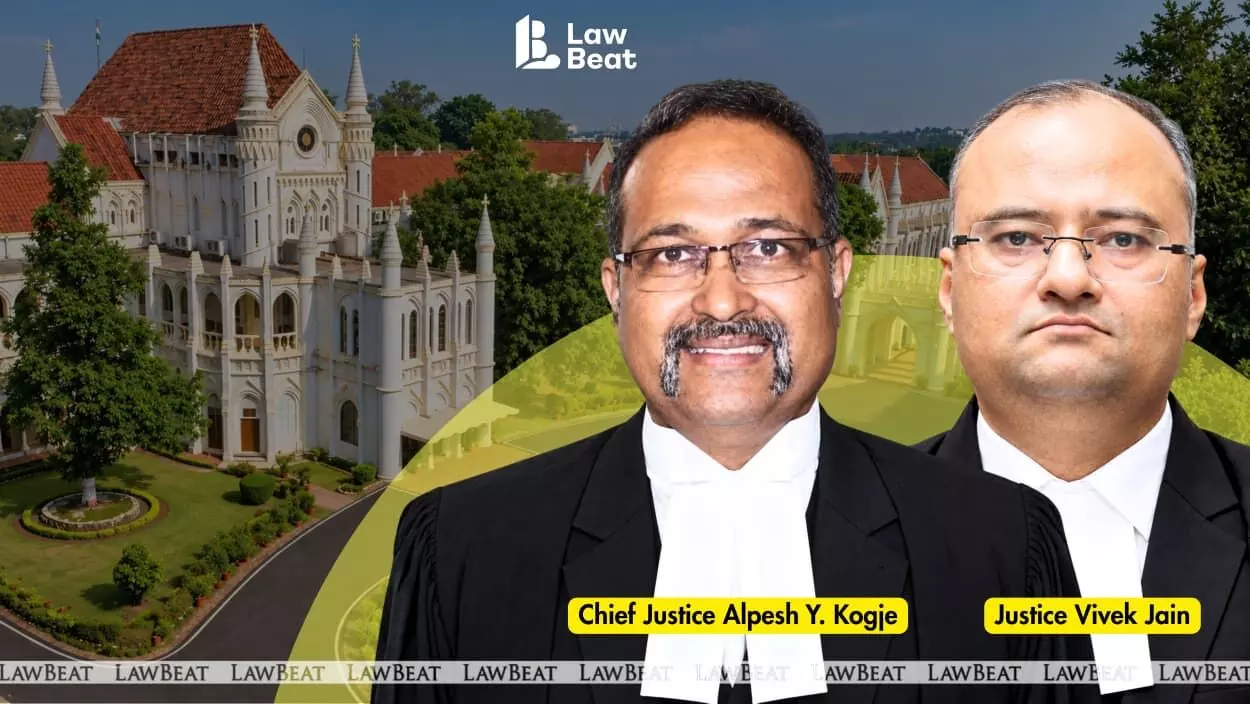
The Madhya Pradesh High Court has issued a directive compelling authorities to finalize eviction proceedings against alleged encroachers surrounding the ancient Shri Vishnu Barah Mandir in Jabalpur district. This significant order, delivered on October 29 by a Division Bench comprising Chief Justice Alpesh Y. Kogje and Justice Vivek Jain, mandates the conclusion of the MP High Court Vishnu Barah Mandir eviction as expeditiously as possible, preferably within a strict three-month timeframe.
This ruling stems from a writ petition, Shravan Kumar Soni v. The State of Madhya Pradesh and Others, which has been pending since 2018. The court's decision to impose a tight deadline underscores a clear intent to accelerate the resolution of long-standing disputes, particularly those involving public land and heritage sites. The bench noted that the legal process against the encroachers had already been set in motion by the authorities.
Background to the Encroachment Dispute
Petitioner Shravan Kumar Soni had initially sought several reliefs, primarily focusing on the removal of what he termed "unbridled encroachment" around the Vishnu Barah Mandir. Soni contended that the monument is protected under the M.P. Ancient Monuments and Archaeological Sites and Remains Act, 1964, which regulates construction activity within its periphery. He argued that despite this protection, authorities had failed to adequately care for the temple located in Majhauli.
Among Soni's requests was a direction for the Archaeological Survey of India (ASI) to declare the site an ancient monument under the Ancient Monuments and Archaeological Sites and Remains Act, 1958, and to take possession of it. He also sought immediate removal of the encroachment by state authorities, citing a Civil Court decree and the State Act of 1964, along with punishment for the encroachers under that law and its associated rules. The authorities, in their reply, informed the court that the alleged encroachers had previously approached the Civil Court to protect their possession, a dispute that had "now ultimately been decided," leading to the initiation of steps against them. Advocate Anupam Chaturvedi, representing the petitioner, highlighted notices issued under the M.P. Land Revenue Code, including one summoning encroachers to appear before an authority in October 2026.
Judicial Impatience with Delays
The High Court acknowledged that the primary grievance regarding encroachment had been addressed, as authorities had already commenced appropriate legal actions. However, taking into account the petitioner's plea for a time-bound program and the observation that "the battle has been going on since many years," the bench directed the conclusion of the proceedings within three months. This emphasis on a swift resolution for the Jabalpur temple encroachment order reflects the judiciary's growing impatience with protracted delays in cases concerning heritage protection India court order.
Regarding Soni's second prayer for a declaration under the 1958 Act, the court noted that the petitioner had not brought this matter to the attention of the concerned authority under that specific legislation. Consequently, the court left it open for Soni to pursue this declaration separately, should a scope for such an application exist under the current provisions. The petition was ultimately disposed of, with the court allowing Soni to seek redress for any remaining grievances elsewhere.
Significance for Heritage Protection
This ruling signals the Madhya Pradesh High Court's intent to expedite the resolution of long-standing encroachment disputes around protected monuments, setting a three-month deadline for authorities. The court's decision highlights how slowly heritage protection can progress when possession disputes become entangled in civil litigation, with years of court battles by alleged encroachers delaying on-the-ground action. The imposition of a strict timeline for the M.P. Land Revenue Code eviction process serves as a clear message.
This precedent indicates judicial impatience with delays caused by protracted civil litigation and may signal a stricter enforcement approach for similar cases involving public land or protected sites. The effectiveness of this directive will now depend on whether the authorities can meet the three-month window for the MP High Court Vishnu Barah Mandir eviction, setting a potential benchmark for future heritage protection efforts in the region.
Practical Implications
This ruling signals the Madhya Pradesh High Court's intent to expedite the resolution of long-standing encroachment disputes around protected monuments, setting a three-month deadline for authorities. Lawyers advising clients on property matters or heritage protection in MP should note this precedent, as it emphasizes judicial impatience with delays caused by protracted civil litigation and may indicate a stricter enforcement approach for similar cases involving public land or protected sites.
Source
Source: Original reporting via Live Law.
How does this affect you?
Get an AI analysis of this article grounded in your jurisdictions, practice areas, and any policy documents you've uploaded to Wansom.
Finish Reading the Full Story and the Expert Analysis.
Wansom is AI and can make mistakes.