
Supreme Court: DVC Sinking Fund Tariff Includes Depreciation
Summary
- The Supreme Court ruled that both Sinking Fund contributions and depreciation are permissible components of the Damodar Valley Corporation's electricity tariff.
- The Court affirmed that these two financial provisions can be included simultaneously in tariff calculations.
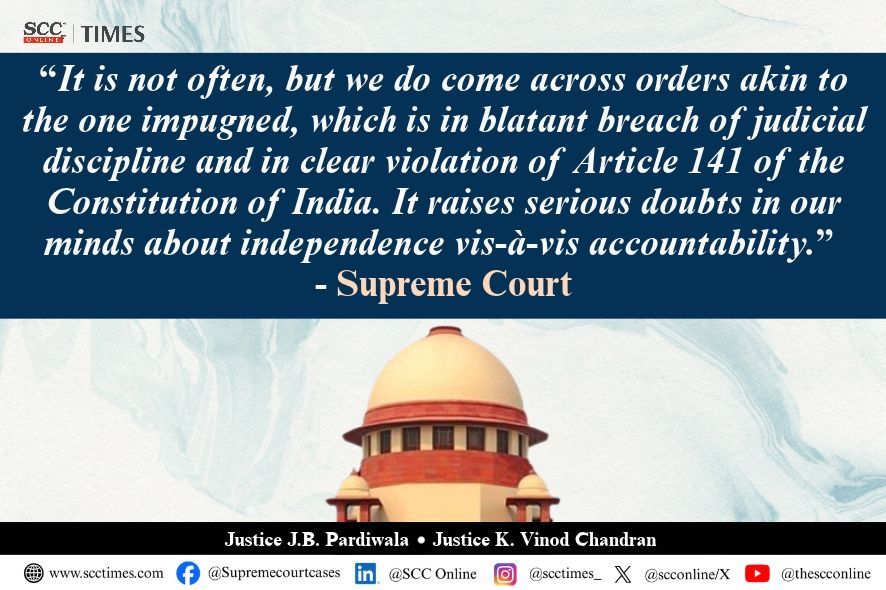
- The judgment emphasized that reopening an issue settled by a binding precedent violates Article 141 of the Indian Constitution.
- This ruling provides clarity for energy sector companies on cost recovery and reinforces judicial adherence to Supreme Court decisions.
- The decision impacts electricity tariff regulation in India by ensuring stability and predictability for power utilities.
The DVC Tariff Decision
The Supreme Court DVC Sinking Fund tariff judgment is crucial for energy sector entities as it validates their approach to recovering essential costs.
India's Supreme Court recently issued a significant ruling concerning the electricity tariff structure for the Damodar Valley Corporation (DVC). The apex court unequivocally affirmed that both contributions to a Sinking Fund and depreciation are legitimate and permissible elements to be included when determining the DVC electricity tariff. This decision clarifies a long-standing point of contention regarding cost recovery mechanisms for power utilities.
The ruling specifically permits the simultaneous inclusion of these two financial provisions. This means that DVC, and by extension other similar entities, can account for both the systematic reduction in the value of assets over time (depreciation) and the allocation of funds to repay debt or replace assets (Sinking Fund contributions) within their approved electricity tariffs. This provides a clearer framework for the financial planning and stability of power generation and distribution companies.
The Supreme Court DVC Sinking Fund tariff judgment is crucial for energy sector entities as it validates their approach to recovering essential costs. It ensures that the financial health of corporations like DVC is maintained, allowing them to invest in infrastructure and provide reliable power, by confirming that these fundamental accounting provisions can be passed on to consumers as part of the regulated tariff.
Upholding Constitutional Precedent
Beyond the specifics of tariff components, the Supreme Court's decision carried a broader message regarding judicial discipline and the sanctity of established legal principles. The Court firmly held that any attempt to revisit or reopen an issue that has already been definitively settled by a binding precedent constitutes a violation of Article 141 of the Constitution of India. This constitutional provision mandates that the law declared by the Supreme Court is binding on all other courts within India.
This aspect of the Supreme Court India DVC case underscores the critical importance of Article 141 binding precedent India. It serves as a powerful reminder that once the highest court has pronounced on a matter, its decision carries ultimate authority and should not be challenged or re-litigated in lower forums. Such adherence to precedent is vital for maintaining consistency, predictability, and efficiency within the judicial system.
The ruling reinforces the principle that judicial review processes must respect the finality of Supreme Court judgments. By explicitly stating that reopening settled issues contravenes constitutional provisions, the Court aims to prevent an endless cycle of litigation and ensure that legal certainty prevails, particularly in complex regulatory domains like electricity tariff regulation India.
Broader Implications for the Energy Sector
This landmark judgment has significant implications for the entire energy sector, particularly for entities involved in tariff determination and those subject to regulatory oversight. The explicit affirmation that Sinking Fund depreciation India law allows for both contributions and depreciation to be included in tariffs provides much-needed clarity for financial planning and investment decisions within the power industry.
For lawyers advising energy sector clients, this ruling provides a strong foundation. It confirms that both Sinking Fund contributions and depreciation are permissible components of electricity tariffs, offering certainty in cost recovery arguments. Furthermore, the Court's emphasis on Article 141 means that previously settled legal issues, especially those concerning tariff components, are unlikely to be successfully challenged again, streamlining future regulatory proceedings and reducing litigation risk.
The decision reinforces the stability of the regulatory environment for power utilities. By upholding the ability to recover these essential costs and by emphasizing the binding nature of its precedents, the Supreme Court has provided a clear directive that will shape future discussions and determinations regarding electricity tariffs across the nation.
Practical Implications
Lawyers advising energy sector clients, particularly those involved in tariff determination or challenges, should note that both Sinking Fund contributions and depreciation are permissible components of electricity tariffs. This ruling also reinforces the strict adherence to Supreme Court precedents under Article 141, meaning previously settled legal issues are unlikely to be successfully challenged again.
Source
Source: Original reporting via SCC Times
How does this affect you?
Get an AI analysis of this article grounded in your jurisdictions, practice areas, and any policy documents you've uploaded to Wansom.
Finish Reading the Full Story and the Expert Analysis.
Wansom is AI and can make mistakes.