
MP High Court: Dheer Singh Bail Canceled Over Victim Videos
Summary
- The Madhya Pradesh High Court cancelled the bail of rape accused Dheer Singh for misusing his liberty by harassing the victim.
- Singh allegedly used a fake social media identity to send private videos of the victim to her in-laws and pressured her to turn hostile.
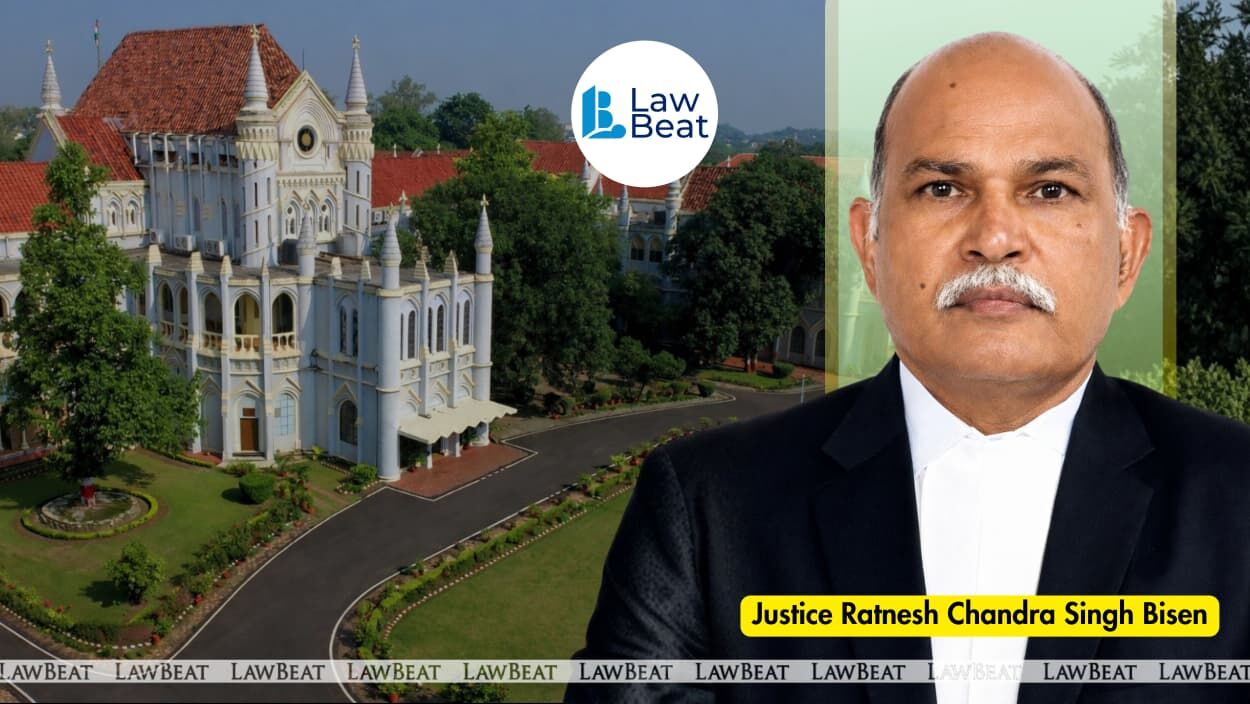
- Justice Ratnesh Chandra Singh Bisen issued the order after the victim filed an application under Section 483(3) of the Bharatiya Nagarik Suraksha Sanhita.
- The court rejected Singh's defence of a lost mobile phone, finding it highly improbable that a stranger would send the victim's videos to his own in-laws.
- This ruling underscores the critical importance of protecting a victim's dignity and identity and strictly adhering to bail conditions.
Bail Revoked Over Digital Harassment
The protection of the identity and dignity of a victim in an offence under Sections 376 and 506 IPC is of great importance, and a person on bail is required to strictly follow the conditions imposed by the Court and must not misuse the liberty granted to him.
The Madhya Pradesh High Court, specifically its Jabalpur Bench, has revoked the bail previously granted to Dheer Singh, an individual accused of rape. This significant decision came after Singh allegedly misused the freedom afforded by his bail by engaging in digital harassment against the victim. The court found that Singh had sent private videos and photographs of the victim to her in-laws, including her mother-in-law, father-in-law, and sister-in-law, utilizing a fake social media identity created on WhatsApp under the names "Sofi" or "Sofia."
Beyond the dissemination of private content, the court also considered allegations that Dheer Singh was actively pressuring the victim to provide a statement favorable to him, effectively attempting to coerce her into turning hostile in the ongoing legal proceedings. The original bail had been granted to Dheer Singh on September 1, 2025, in a case registered under Sections 376 (rape) and 506 (criminal intimidation) of the Indian Penal Code. The victim's counsel, Ashish Tiwari, argued that Dheer Singh's actions constituted a clear violation of his bail conditions and a severe misuse of the liberty he had been granted.
Legal Challenge and Defence Arguments
The victim initiated the bail cancellation proceedings by filing an application under Section 483(3) of the Bharatiya Nagarik Suraksha Sanhita (BNSS). Her counsel highlighted that despite a written complaint being lodged with the Superintendent of Police, Satna, no action was taken, prompting the victim's brother to escalate the matter to the CM Helpline. It was contended that Dheer Singh's post-bail conduct demonstrated a clear potential to threaten or influence prosecution witnesses and interfere with the integrity of a fair trial.
In defence, Dheer Singh's advocate, Jitendra Prasad Gautam, asserted his client's innocence, claiming false implication and denying any violation of bail conditions. Gautam argued that the allegations concerning chats and videos sent to the in-laws had already been considered during the initial bail application. He also suggested that the complaint should have been filed with the Station House Officer before approaching the Superintendent of Police. Furthermore, Gautam informed the court that Dheer Singh had reported the loss of his mobile phone, which contained two SIM numbers, to the Kotwali Police Station, Satna, and requested verification of the chats and the identity behind the fake profile before any adverse ruling.
Court's Scrutiny and Rationale
Justice Ratnesh Chandra Singh Bisen presided over the matter, carefully examining all submissions. The court ultimately rejected Dheer Singh's defence regarding the lost mobile phone. It noted the absence of any material evidence to suggest that Singh had informed his mobile service provider about the loss of his SIM cards or had sought to have them blocked. While acknowledging that misuse by another person could not be entirely ruled out in the absence of such intimation, the court found it "highly improbable and difficult to accept" that a stranger who found the phone would independently use it to send private photographs and videos to Dheer Singh's own in-laws.
The court concluded that the allegations, if established, represented a serious breach of the conditions imposed during the grant of bail. Such conduct, the court observed, directly impacts the dignity and privacy of the victim and creates a legitimate apprehension of witness influence. The ruling underscored that the case specifically addressed Dheer Singh's actions following his release on bail, rather than the original allegations that led to his arrest.
Precedent for Misuse of Liberty
This ruling by the MP High Court provides a clear precedent regarding the cancellation of bail when an accused misuses their liberty, particularly through digital harassment and violation of a victim's privacy. The court emphasized the paramount importance of protecting the identity and dignity of a victim in cases involving Sections 376 and 506 of the Indian Penal Code. It unequivocally stated that an individual released on bail is "required to strictly follow the conditions imposed by the Court and must not misuse the liberty granted to him."
The court's decision highlights the judiciary's firm stance against post-bail intimidation and privacy breaches, especially when digital means are employed. This case serves as a critical reminder that bail is a privilege contingent upon strict adherence to judicial directives, and any attempt to subvert justice or harass victims will lead to severe consequences, including the revocation of freedom.
Practical Implications
This ruling provides a clear precedent for the cancellation of bail when an accused misuses their liberty, particularly through digital harassment and violation of a victim's privacy. Lawyers representing accused clients must stringently advise on adherence to bail conditions, especially regarding digital conduct, while those representing victims can leverage this case to seek bail cancellation in similar instances of post-bail intimidation or privacy breaches.
Source
How does this affect you?
Get an AI analysis of this article grounded in your jurisdictions, practice areas, and any policy documents you've uploaded to Wansom.
Finish Reading the Full Story and the Expert Analysis.
Get the latest legal & regulatory intelligence in India
Wansom is AI and can make mistakes.