
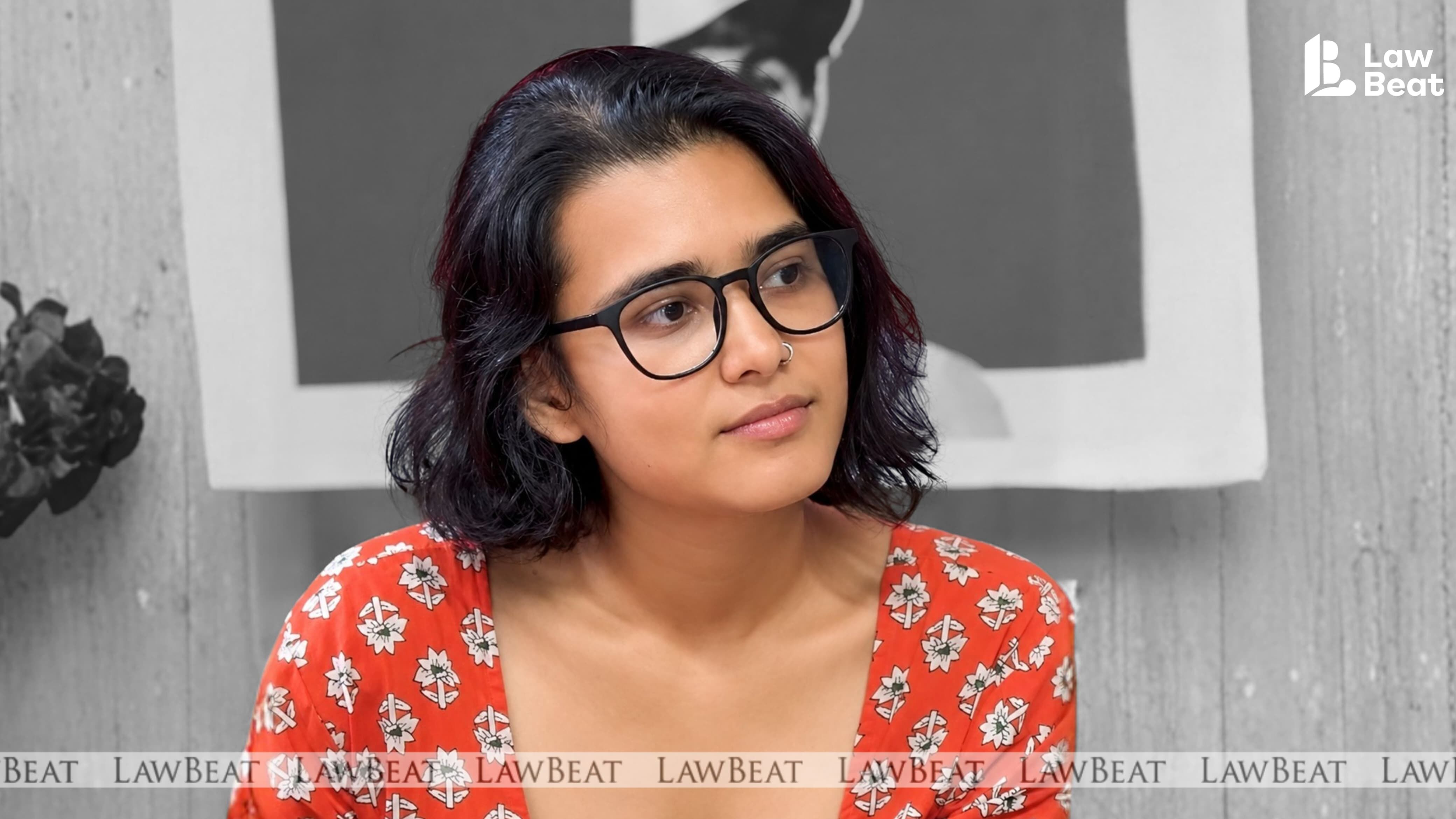
Neha Bora: Refuses BNSS Section 126 Peace Bond After Delhi HC Dismissal
Summary
- AISA president Neha Bora publicly refused to sign a preventive peace bond under Bharatiya Nagarik Suraksha Sanhita Section 126.
- Her decision followed the Delhi High Court's dismissal of her plea challenging a police notice for a ₹10,000 bond with surety.
- The Executive Magistrate show cause notice was issued after her detention during a protest march against Chief Election Commissioner Gyanesh Kumar.
- Bora argues that the Delhi High Court preventive peace bond, as applied, contradicts the fundamental right to democratic dissent in India.
- She intends to appear before the Special Executive Magistrate but will continue to legally challenge the proceedings in court.
AISA President Refuses Peace Bond After Court Dismissal
She firmly stated that such bonds, as currently interpreted and applied, stand in direct contradiction to the fundamental right to democratic dissent in India.
Neha Bora, the president of the All India Students' Association (AISA), announced on October 24, 2026, that neither she nor her organization would sign a preventive peace bond. This definitive stance came just one day after the Delhi High Court dismissed her legal challenge against a police notice that mandated the bond. Bora confirmed her intention to appear before the Special Executive Magistrate (SEM) but reiterated her refusal to execute the bond.
The police notice, issued on October 17 under Section 126 of the Bharatiya Nagarik Suraksha Sanhita (BNSS), 2023, required Bora to show cause why she should not furnish a personal bond of ₹10,000, along with one surety, to ensure peace. This directive followed her detention by Delhi Police on October 16, when she participated in the 'Lehra Do Tiranga' march. The march was organized to protest alleged irregularities in electoral roll revisions and demanded the resignation of Chief Election Commissioner Gyanesh Kumar.
Legal Framework of the BNSS Section 126 Peace Bond
The police notice served to AISA president Neha Bora falls under Bharatiya Nagarik Suraksha Sanhita Section 126, a provision that empowers an Executive Magistrate to issue a show cause notice. This notice compels an individual to explain why they should not be ordered to execute a bond for maintaining peace. The Delhi High Court's recent dismissal of Bora's plea means that the initial legal avenue to quash the notice has been exhausted, at least at that judicial level.
Bora had challenged the Executive Magistrate show cause notice, arguing that these preventive proceedings were an attempt to stifle peaceful dissent. She contended that the notice lacked sufficient grounds to establish a likelihood of a breach of peace, asserting that peaceful protest and democratic opposition should not be conflated with violations of public order.
Upholding the Right to Democratic Dissent India
Explaining her refusal to sign the Delhi High Court preventive peace bond, Neha Bora emphasized that such measures, as currently interpreted and implemented, directly contradict the fundamental right to democratic dissent in India. Speaking from the CPI(ML) Liberation Parliamentary office in Delhi, she questioned the very premise of the notice, asking, "Whose peace am I being asked to keep?" She underscored that peaceful demonstrations are a democratic right and challenged the notion that raising concerns against the government could be construed as a threat to public order.
Bora articulated that the right to question those in power and to express dissent is a cornerstone of a healthy democracy. She firmly stated that such bonds, as currently interpreted and applied, stand in direct contradiction to the fundamental right to democratic dissent in India. Despite the High Court's decision, she affirmed her commitment to continue contesting the proceedings in court, expressing hope that the judiciary would recognize the conflict between these bonds and fundamental rights, thereby upholding the principles of natural justice.
Implications for Future Protests and Legal Interpretation
This case involving Neha Bora and the BNSS Section 126 peace bond highlights the ongoing judicial scrutiny surrounding the application of new legal provisions in India. The outcome of Bora's continued legal challenge before the Special Executive Magistrate and potentially higher courts could set important precedents for how preventive peace bonds are interpreted and applied in the context of public demonstrations and the right to democratic dissent.
The specific terms and directions of the Delhi High Court's order dismissing Bora's plea are not yet publicly available, which leaves some ambiguity regarding the court's reasoning. However, Bora's resolute stance links the bond proceedings to the broader struggle against Chief Election Commissioner Gyanesh Kumar, asserting that the fight for accountability must not come at the expense of labeling legitimate dissent as a threat to peace. This situation underscores the delicate balance between maintaining public order and safeguarding fundamental freedoms.
Practical Implications
This case highlights the ongoing judicial scrutiny and potential challenges to the application of Section 126 of the new Bharatiya Nagarik Suraksha Sanhita (BNSS) concerning preventive peace bonds. Lawyers advising clients involved in protests or public demonstrations should closely monitor how courts interpret and balance these provisions against fundamental rights to democratic dissent, as this case may set precedents for future preventive actions by authorities.
Source
How does this affect you?
Get an AI analysis of this article grounded in your jurisdictions, practice areas, and any policy documents you've uploaded to Wansom.
Finish Reading the Full Story and the Expert Analysis.
Get the latest legal & regulatory intelligence in India
Wansom is AI and can make mistakes.