
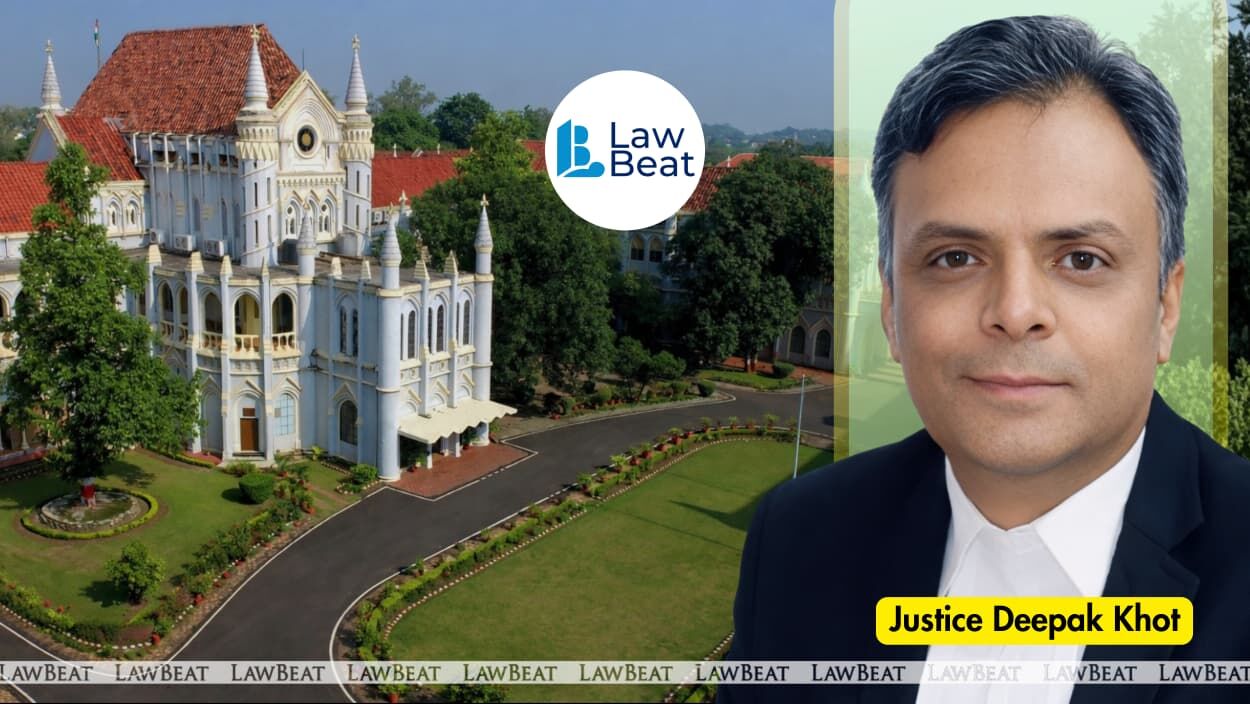
MP High Court: Civil Suit Revenue Orders Bar Not Absolute
Summary
- The Madhya Pradesh High Court ruled that a civil suit is not automatically barred merely because revenue authorities have previously decided the issue.
- The court dismissed a civil revision challenging a trial court's refusal to reject a plaint under Order VII Rule 11 of the Code of Civil Procedure.
- The underlying dispute involved land entries corrected under Section 115 of the Madhya Pradesh Land Revenue Code, 1959, which plaintiffs alleged occurred without their knowledge or hearing.
- The High Court emphasized that allegations of natural justice violations, such as being condemned unheard, establish a valid cause of action for a civil suit.
- This ruling clarifies that prior revenue decisions do not, by themselves, operate as *res judicata* in subsequent civil litigation, reinforcing civil court jurisdiction in revenue matters.
What Happened
in the absence of an express statutory bar under Section 257 of the MPLRC, a civil suit is not barred merely because the subject matter has earlier been considered by the Revenue Authority.
The Madhya Pradesh High Court, in a significant ruling delivered on October 6, 2026, by Justice Deepak Khot, dismissed a civil revision application filed by Rajendra Jain. This revision challenged an order issued on June 17, 2026, by the Civil Judge, Junior Division, Patharia, in RCSA No. 26/2025. The trial court had previously rejected Jain's application under Order VII Rule 11 of the Code of Civil Procedure (CPC), which sought to dismiss a civil plaint at its initial stage.
The core of the dispute revolves around a parcel of land identified as Khasra No. 38/1, spanning 0.13 hectare, situated in Village Rajwas, Damoh. Rajendra Jain had successfully obtained corrections to the revenue entries for this land under Section 115 of the Madhya Pradesh Land Revenue Code, 1959 (MPLRC), through an order dated March 10, 2023. These corrections were subsequently affirmed by the Collector, Damoh, on May 3, 2023, and later by the Additional Commissioner, Sagar Division, on October 30, 2025.
However, Jitendra Kurmi and other respondents initiated a civil suit, seeking a declaration that these revenue orders were null, void, and not binding upon them. They also requested a permanent injunction to prevent Jain from interfering with their asserted ownership and possession of two houses, measuring 2,400 sq. ft. and 1,200 sq. ft., located on Survey Nos. 38/4/2 and 38/4/1. The respondents contended that their names had been removed from the revenue records without their knowledge or an opportunity to be heard, thereby alleging a fundamental violation of natural justice.
Legal Context
During the proceedings, Advocate Akash Singhai, representing Rajendra Jain, argued that the civil suit was expressly barred by Section 257(f) of the MPLRC. He asserted that the revenue orders had achieved finality, and the plaintiffs had failed to pursue further administrative remedies. Singhai relied on a coordinate bench ruling in *Smt. Shahida Parveen and Others vs. Shri Laxmi Narain Induria and Others*, decided on September 25, 2025, to bolster his position that the MP High Court civil suit revenue orders bar should apply.
However, the High Court remained unconvinced by these submissions. Referencing the Supreme Court's decision in *Chhotanben vs. Kirtbhai Jalkrushnabhai Thakkar*, the court reiterated that when adjudicating an Order VII Rule 11 CPC rejection plaint application, only the averments contained within the plaint itself are relevant. Regarding Section 257(f) of the Madhya Pradesh Land Revenue Code, the court clarified that this provision primarily bars suits involving claims against the State concerning matters within the purview of Revenue Authorities. Crucially, the High Court noted that the respondents/plaintiffs in the present case had made no claim against the State.
The High Court further addressed Jain's contention that the plaintiffs had been heard during the Section 115 proceedings, stating that this was "
Practical Implications
Lawyers should advise clients that civil suits challenging revenue orders, especially on grounds of natural justice violations (e.g., lack of hearing), are not automatically barred by prior administrative decisions, providing a critical avenue for recourse even after revenue authorities have ruled. This ruling clarifies that civil courts retain jurisdiction to scrutinize the procedural fairness of such orders.
Source
How does this affect you?
Get an AI analysis of this article grounded in your jurisdictions, practice areas, and any policy documents you've uploaded to Wansom.
Finish Reading the Full Story and the Expert Analysis.
Get the latest legal & regulatory intelligence in India
Wansom is AI and can make mistakes.