
Miami-Dade Sheriff: Civil Forfeiture Lawsuit Challenges Profit-Sharing
Summary
- A lawsuit accuses the Miami-Dade County Sheriff of unconstitutionally allowing a law firm to profit from civil forfeiture cases.
- The law firm, led by Israel Izzy Reyes, allegedly retains 20% to 35% of seized proceeds, plus an additional 5% on appeal.
- Mobile phone distributors and retailers claim over $45.2 million was seized from them, with an additional $2.6 billion targeted.
- The lawsuit challenges the constitutionality of law firms directly profiting from asset forfeiture proceeds in Florida.
Lawsuit Challenges Forfeiture Practices
Lawyers advising clients on asset protection or involved in civil forfeiture cases in Florida should closely monitor this lawsuit, as its resolution could profoundly impact how such cases are handled and challenged across the state, potentially leading to reforms in asset forfeiture law firm compensation structures.
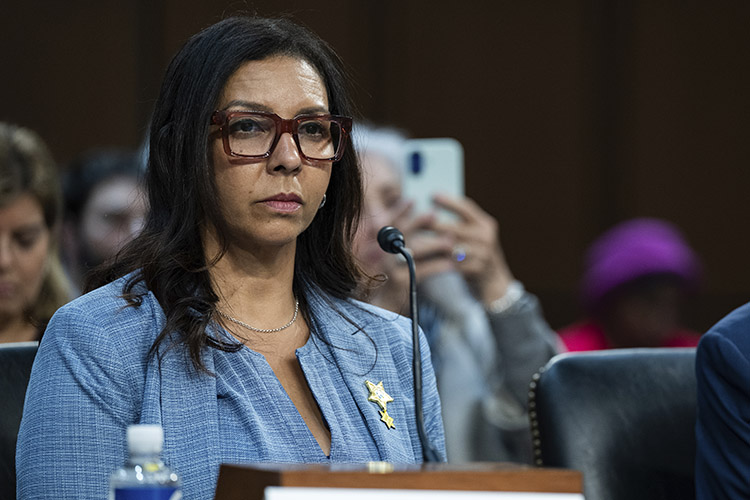
A significant legal challenge has emerged in Florida, targeting the Miami-Dade County Sheriff's Office over its civil forfeiture practices. The lawsuit, filed in October, alleges that Sheriff Rosie Cordero-Stutz has unconstitutionally permitted a private law firm to generate substantial profits from the seizure of property and cash. A motion to disqualify the law firm was denied by a Miami Circuit Judge and is now on appeal in Florida's Third District Court of Appeal, with a trial for the main case scheduled for April 5, 2027. This legal action could significantly reshape how civil forfeitures are conducted within the state.
The plaintiffs in the case are a group of mobile phone distributors and retailers based in Miami. They contend that their bank accounts were frozen last year, leading to the seizure of over $45.2 million through civil forfeiture proceedings managed by the firm in question. Furthermore, the companies claim that an additional $2.6 billion has been identified for potential seizure, as reported by the Miami Herald.
The Role of Civil Forfeiture
Under existing federal and state statutes, law enforcement agencies possess the authority to seize assets, including financial resources and physical property like boats, when there is a belief that these items were either used in criminal activities or acquired through illicit means. This legal mechanism, known as civil forfeiture, is designed to disrupt criminal enterprises by depriving them of their ill-gotten gains and tools.
However, the current Miami-Dade Sheriff civil forfeiture lawsuit introduces a critical Florida civil asset forfeiture challenge regarding the financial arrangements surrounding these seizures. The plaintiffs are not disputing the existence of forfeiture laws but rather the alleged unconstitutional nature of the profit-sharing model employed by the sheriff's office with its legal counsel.
Allegations of Unconstitutional Profit
Central to the lawsuit is the accusation that a law firm led by Israel Izzy Reyes, who has a background as a former police officer, prosecutor, and judge, is actively representing the Miami-Dade Sheriff's Office in these civil forfeiture cases. The core of the complaint revolves around the alleged Israel Izzy Reyes forfeiture profit structure. The plaintiffs assert that Reyes's firm retains a substantial portion of the proceeds from these seizures, specifically between 20% and 35%, with an additional 5% levied if an appeal is pursued.
This arrangement forms the basis of the claim of unconstitutional civil forfeiture Florida, as the plaintiffs argue that allowing a private entity to directly profit from asset forfeiture law firm compensation creates an improper incentive. The lawsuit scrutinizes whether such a direct financial stake compromises the integrity and constitutional application of forfeiture laws.
Potential Impact on Florida Law
This Miami-Dade Sheriff civil forfeiture lawsuit carries significant implications for the future of civil asset forfeiture in Florida. A ruling against Sheriff Cordero-Stutz could establish new legal precedents concerning the constitutionality of law firms deriving direct profit from forfeiture proceeds. Such an outcome would likely necessitate a reevaluation of existing practices and compensation models for legal services in these cases.
The case highlights a broader debate about the potential for financial incentives to influence law enforcement actions in forfeiture matters. Lawyers advising clients on asset protection or involved in civil forfeiture cases in Florida should closely monitor this lawsuit, as its resolution could profoundly impact how such cases are handled and challenged across the state, potentially leading to reforms in asset forfeiture law firm compensation structures.
Practical Implications
Lawyers advising clients on asset protection or involved in civil forfeiture cases in Florida should closely monitor this lawsuit. A ruling against the Miami-Dade Sheriff could establish new precedents regarding the constitutionality of law firms profiting from forfeiture proceeds, potentially impacting how such cases are handled and challenged in the state.
Source
How does this affect you?
Get an AI analysis of this article grounded in your jurisdictions, practice areas, and any policy documents you've uploaded to Wansom.
Finish Reading the Full Story and the Expert Analysis.
Get the latest legal & regulatory intelligence in United States
Wansom is AI and can make mistakes.