
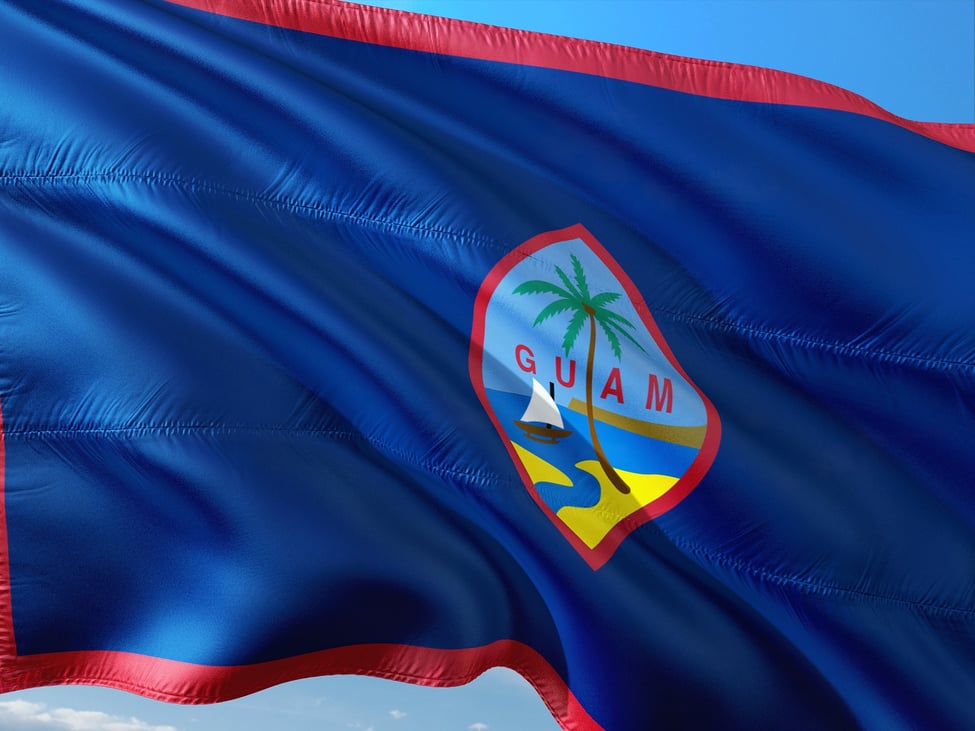
Guam SSI Insular Cases: Schaller Denied Federal Benefits in Territory
Summary
- Guam residents, despite being American, lack the same access to federal benefits and political representation as those in U.S. states.
- Katrina Schaller lost her Supplemental Security Income (SSI) benefits after moving to Guam because Congress excluded the territory from the program.
- Her lawsuit against the federal government highlighted the Insular Cases, a series of early 20th-century Supreme Court decisions.
- While Schaller initially won her case in the District Court of Guam, the U.S. Supreme Court later affirmed Congress's power to exclude territories from SSI in *United States v. Vaello Madero* in April 2022.
- These Insular Cases codified a "second-class status" for U.S. territories, impacting half a million Americans' access to SSI.
- The case underscores the ongoing fight for equal protection and self-determination for Guam residents.
The Challenge to Federal Benefits in Guam
Currently, an estimated half a million Americans living in various US territories are prevented from accessing SSI due to this constitutional interpretation.
Katrina Schaller, who lives with myotonic dystrophy, experienced a significant disruption to her federal benefits upon relocating to Guam. After moving to the U.S. territory to reside with her older sister, Kim, Ms. Schaller found herself ineligible for Supplemental Security Income (SSI). This loss of critical financial support stemmed directly from the U.S. Congress's decision to exclude Guam from the national SSI program, a policy that differentiates residents of the territory from those in the 50 states. The denial of these crucial federal benefits highlights the distinct legal status of Guam residents.
In response to this denial of benefits, Katrina Schaller initiated a lawsuit against the federal government. Her legal challenge brought into sharp focus the long-standing and controversial legacy of the Insular Cases, a series of Supreme Court decisions that have profoundly shaped the legal status of U.S. territories. While her case initially saw a favorable ruling in the District Court of Guam, the broader legal question of whether Congress can exclude residents of U.S. territories from federal benefits programs like SSI was ultimately decided by the U.S. Supreme Court in *United States v. Vaello Madero* in April 2022, which affirmed Congress's power to do so. This outcome, despite Schaller's initial victory, underscores the ongoing struggle for equal access to federal programs for residents of Guam and other U.S. territories, challenging the very notion of what it means to be an American citizen in these regions.
The Enduring Impact of the Insular Cases
The legal framework underpinning the unequal treatment of U.S. territories, including Guam, is rooted in the Insular Cases. These early 20th-century Supreme Court rulings established a constitutional doctrine that effectively codified a "second-class status" for these regions and their inhabitants. Consequently, residents of US territories, despite being American citizens, do not possess the same level of access to federal benefits or political representation as individuals residing within the 50 states. This foundational legal precedent continues to dictate the scope of rights for those in places like Guam.
This doctrine directly impacts the eligibility of residents for vital federal programs such as Supplemental Security Income. Currently, an estimated half a million Americans living in various US territories are prevented from accessing SSI due to this constitutional interpretation. The legal battle initiated by Katrina Schaller against the federal government serves as a contemporary example of how these historical Supreme Court decisions continue to influence the daily lives and rights of territorial residents, particularly concerning federal benefits.
Unequal Protection for Territorial Residents
The situation in Guam exemplifies a broader issue of unequal protection and political disenfranchisement affecting U.S. territories. Residents of Guam, for instance, do not enjoy the same federal benefits or political representation as their counterparts in the states. This disparity, perpetuated by the constitutional doctrine established in the Insular Cases, highlights a fundamental question of what it means to be an American citizen without full inclusion in federal programs. The ongoing challenges to the Insular Cases doctrine are crucial for addressing these inequalities.
The personal circumstances of individuals like Katrina Schaller and her twin sister, Leslie Schaller, both living with myotonic dystrophy, illustrate the significant human cost associated with these legal distinctions. Their experience underscores how the Insular Cases continue to shape the unequal treatment of U.S. citizens residing in territories, prompting ongoing legal challenges and discussions regarding self-determination and the fight for equal protection for Guam residents and all US territories constitutional doctrine.
Practical Implications
Lawyers advising clients in US territories, particularly on federal benefit eligibility or constitutional rights, must be aware of the ongoing legal challenges to the Insular Cases doctrine. This precedent continues to shape the unequal treatment of territorial residents and presents potential avenues for litigation concerning equal protection and federal program access.
Source
How does this affect you?
Get an AI analysis of this article grounded in your jurisdictions, practice areas, and any policy documents you've uploaded to Wansom.
Finish Reading the Full Story and the Expert Analysis.
Get the latest legal & regulatory intelligence in United States
Wansom is AI and can make mistakes.